

Why Does Draft Coffee Taste Different? Understanding Temperature, Gas, and Pouring
Why Does Coffee Taste Different From a Keg?
You may make the same cold brew recipe at home, but notice that it tastes different when served from a coffee keg.
Sometimes it tastes smoother. Sometimes the aroma seems different. In other cases, the coffee may pour too quickly, have too much foam, or simply not taste the same as it did in the original container.
Why?
The coffee itself is only one part of the experience.
Temperature, gas, pressure, beverage lines, faucet design, and pouring technique can all influence how draft coffee is served.
Understanding these factors can help you get more consistent results from your coffee keg.
Start With the Coffee
Before changing your equipment, look at the coffee recipe itself.
A cold brew keg does not change how the coffee was originally extracted.
If your cold brew is too strong, too weak, too bitter, or too acidic before it enters the keg, a draft system will not automatically fix the problem.
Start with a cold brew recipe that you already enjoy.
Keep the brewing method, coffee-to-water ratio, grind size, and brewing time consistent when testing your coffee keg setup.
This makes it easier to identify whether a change in flavor comes from the coffee or from the dispensing system.
Temperature Makes a Difference
Temperature is one of the first things to check.
Cold brew and other ready-to-drink coffee beverages are generally served chilled, so your coffee keg should be kept at an appropriate refrigerated temperature.
Temperature can also affect the behavior of dissolved gas.
If you are making nitro coffee, temperature becomes even more important because gas absorption and pouring behavior are closely connected to the condition of the beverage.
Before adjusting pressure, make sure the keg and coffee are properly chilled.
Nitro Coffee Is More Than Cold Brew
A nitro coffee keg works differently from a simple cold-brew dispensing setup.
Nitrogen can create the smooth texture and fine bubbles associated with nitro coffee.
When poured correctly, nitro coffee can also produce a distinctive cascading appearance.
But nitrogen does not magically improve every coffee.
The final result depends on several factors, including the coffee itself, temperature, gas, pressure, dispensing equipment, and faucet.
If you are using a nitro coffee keg, make sure the regulator and other components are designed for the gas being used.
Pressure Affects the Pour
If your coffee comes out too quickly or too slowly, pressure may be one factor to investigate.
However, increasing pressure is not always the answer.
The ideal setting depends on the beverage, gas, temperature, keg, lines, and dispensing equipment.
For this reason, do not copy a pressure setting from another beverage system without checking the specifications for your equipment.
When adjusting a coffee keg, make small changes and observe how the beverage responds.
Always stay within the manufacturer's pressure rating for the keg and all connected components.
Don't Ignore the Beverage Line
The coffee travels through the beverage line before reaching your glass.
That means the line can affect the serving experience.
A dirty or poorly maintained beverage line may contribute unwanted flavors or affect the pour.
Coffee can leave oils and residue behind, so regular cleaning is particularly important for a coffee dispensing system.
If you change from one coffee recipe to another, clean the keg and beverage-contact components before introducing the new batch.
Your Faucet Matters Too
The faucet is the final part of the system that the coffee passes through.
A suitable faucet can help you control the flow and create a more consistent pour.
For nitro coffee, the dispensing method is especially important because the gas needs to be released and presented correctly.
If your coffee on tap looks different from one pour to another, check the faucet, beverage line, temperature, and pressure rather than focusing only on the recipe.
Why a Stainless Steel Keg Is Practical
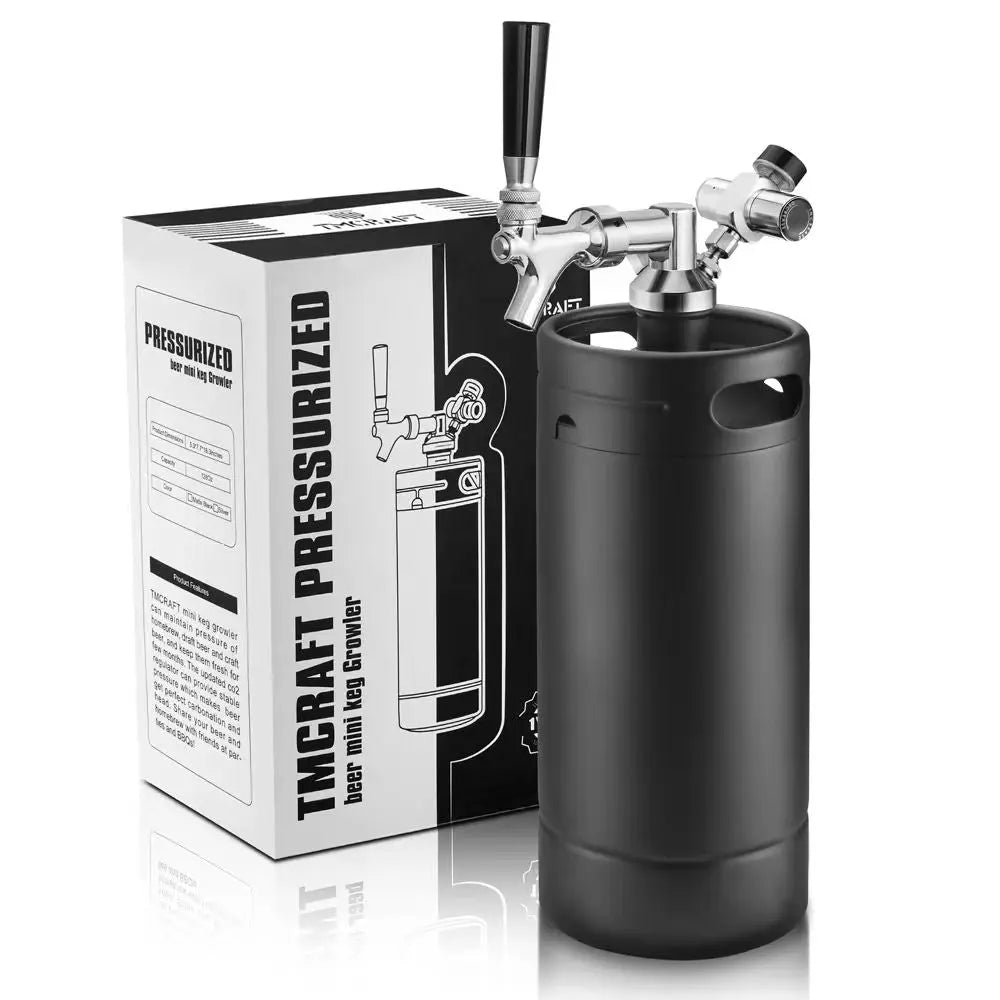
A stainless steel keg can be a useful choice for a reusable coffee dispensing system.
Stainless steel provides a durable container for beverage storage and can be cleaned repeatedly when maintained correctly.
However, a stainless steel keg is only one part of the system.
The lid, O-rings, posts, dip tube, beverage line, faucet, and gas connections also need regular attention.
For coffee, cleaning these smaller components is especially important because residue can accumulate in places that are easy to overlook.
A Simple Way to Troubleshoot Draft Coffee
If your kegged coffee does not taste or pour the way you expect, check these factors one at a time:
Coffee: Is the original recipe balanced?
Temperature: Is the coffee properly chilled?
Gas: Are you using the appropriate gas for your dispensing method?
Pressure: Is the pressure within the equipment's recommended range?
Beverage line: Is it clean and correctly connected?
Faucet: Is the faucet clean and dispensing correctly?
Keg: Are the lid, O-rings, posts, and other components properly sealed?
Changing one variable at a time makes troubleshooting much easier.
Make Every Pour More Consistent
A good draft coffee experience starts with consistency.
Use the same coffee recipe, keep the beverage chilled, maintain clean equipment, and avoid making several pressure adjustments at once.
If you are using a nitro coffee keg, give the system time to reach stable conditions before judging the result.
And always clean the entire beverage pathway after use.
These simple habits can make a noticeable difference when serving coffee on tap at home, in an office, or at a small event.
Final Thoughts
The reason coffee keg drinks can taste different from coffee served directly from a bottle or pitcher is that dispensing adds several new variables.
Temperature, gas, pressure, beverage lines, and faucets all become part of the serving process.
For basic cold brew, focus first on good coffee preparation and consistent refrigeration. For a nitro coffee keg, pay additional attention to the gas and dispensing system.
With a properly maintained stainless steel keg, clean beverage lines, suitable equipment, and consistent serving conditions, you can create a more reliable draft coffee experience from batch to batch.
Link to: How to Build a Coffee-on-Tap Station at Home: Equipment, Setup, and Serving Tips