

How to Build a Coffee-on-Tap Station at Home: Equipment, Setup, and Serving Tips
Why Put Coffee on Tap?
Coffee is usually served from a carafe, bottle, or individual cup. But if you regularly make cold brew or serve coffee to several people, a coffee keg can offer a more convenient way to dispense it.
Instead of pouring from a large container every time, you can connect the keg to a faucet and pour directly into a glass.
This setup can work especially well for home coffee enthusiasts, offices, cafés, parties, and small events.
The good news is that a basic coffee on tap system does not have to be complicated.
Start With the Right Keg
The first step is choosing a keg that is suitable for your beverage and intended dispensing method.
A stainless steel keg is a common choice because it is durable and designed for repeated use when properly maintained.
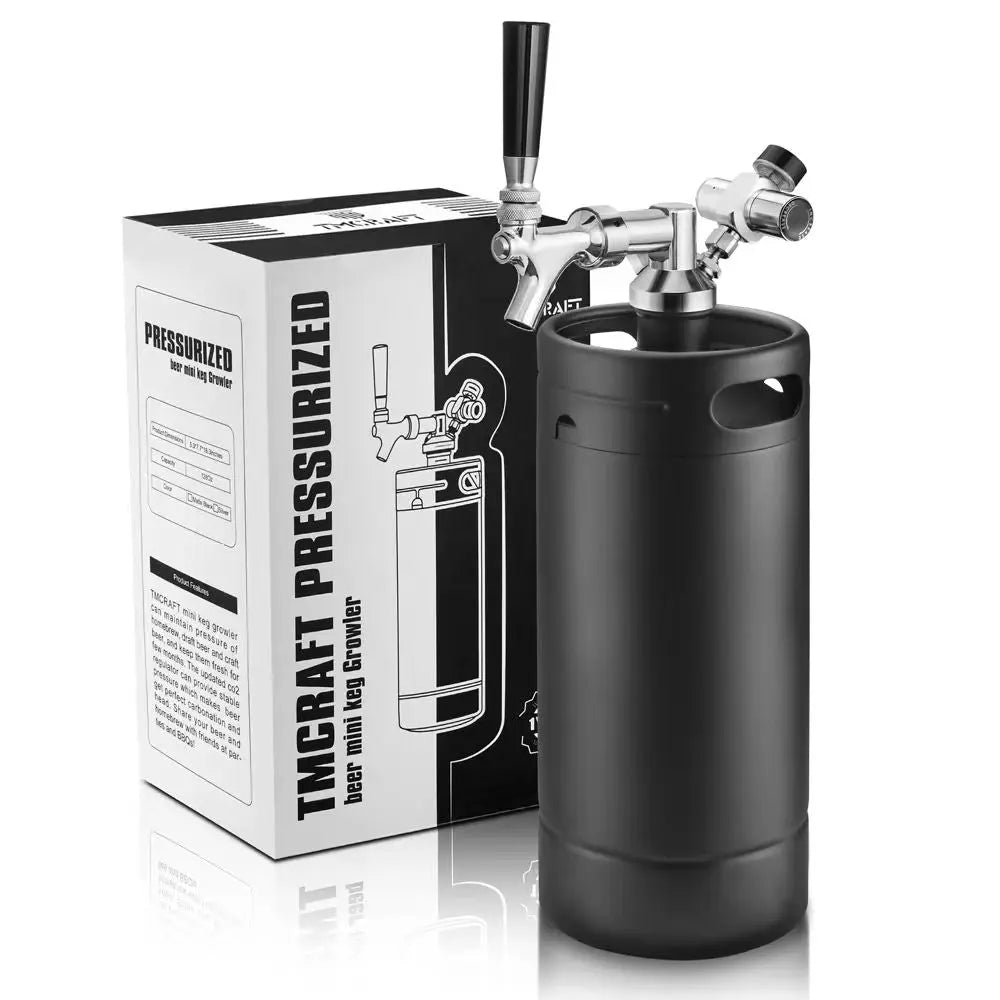
For smaller home setups, a compact coffee keg can be easier to fit inside a refrigerator.
Before buying one, consider how much coffee you normally prepare.
If you usually make only a small batch, a smaller keg may be more practical. If you are preparing drinks for a group, a larger capacity may save you from refilling frequently.
Choose Your Coffee
Cold brew is one of the easiest beverages to start with.
After preparing your cold brew coffee, keep it properly chilled and transfer it into a clean, suitable keg.
A cold brew keg can then be connected to a beverage line and faucet for serving.
If you prefer a traditional cold brew, you may not need nitrogen. The coffee can simply be dispensed as a still beverage.
If you want the smooth texture and presentation associated with nitro coffee, you will need a different gas and dispensing setup.
CO₂ or Nitrogen?
This is an important decision when building a coffee dispensing system.
CO₂ is commonly associated with carbonated beverages, while nitrogen is commonly used for nitro-style coffee.
A nitro coffee keg setup uses nitrogen to create the characteristic smooth texture and fine bubbles associated with nitro coffee.
However, you should not assume that every regulator or dispensing component can be used with every gas.
Use a regulator, fittings, lines, and other components that are specifically compatible with the gas you intend to use.
Always follow the manufacturer's specifications for your equipment.
Keep the Coffee Cold
Refrigeration is an important part of a coffee keg setup.
Cold brew and other ready-to-drink coffee beverages should be kept refrigerated according to appropriate food-safety practices.
Keeping the keg cold also helps create a better serving experience.
For a home setup, the simplest option may be placing the keg inside a refrigerator with enough room for the keg, gas connection, and beverage line.
Before purchasing equipment, measure your available refrigerator space.
Connect the Faucet
Once the beverage is chilled, you need a way to get it from the keg into your cup.
The basic pathway is:
Keg → Beverage Line → Faucet → Glass
For a pressurized system, gas is connected to the keg through the appropriate gas connection, while the beverage line carries coffee toward the faucet.
Keep the lines as short and organized as practical, and make sure all connections are secure.
If your draft coffee pours too quickly, too slowly, or inconsistently, check the dispensing setup rather than immediately assuming something is wrong with the coffee itself.
Cleaning Is Part of the Setup
Coffee contains oils and other compounds that can leave residue inside beverage equipment.
That means cleaning should be part of your normal coffee on tap routine.
After finishing a batch:
- Empty the keg.
- Rinse it promptly.
- Clean the keg according to the manufacturer's instructions.
- Pay attention to the dip tube and fittings.
- Clean the beverage line and faucet.
- Rinse thoroughly.
- Sanitize when appropriate for the beverage and equipment.
Do not clean only the keg.
A dirty beverage line can affect the flavor of your next batch even when the keg itself looks clean.
Build a Simple Coffee Station
You do not need a complicated café setup to enjoy kegged coffee at home.
A basic station can include:
- A suitable coffee keg
- Cold brew or another compatible coffee beverage
- Refrigerator or cooling system
- Appropriate gas source, if required
- Regulator compatible with the selected gas
- Beverage line
- Faucet
- Cleaning supplies
Start with a simple still cold-brew setup before moving to a nitro coffee keg if you are new to draft beverages.
This allows you to learn how the keg, lines, faucet, and connections work before adding more equipment.
Final Thoughts
Creating a home coffee on tap station can be surprisingly simple.
Start with a suitable coffee keg, choose a beverage you enjoy, keep it properly chilled, and connect the correct dispensing equipment.
For beginners, a cold brew keg is a straightforward place to start. Once you are comfortable with the basic system, you can explore a nitro coffee keg for a different texture and serving experience.
Whether you choose a compact stainless steel keg for home use or a larger beverage setup for events, proper refrigeration, equipment compatibility, pressure control, and regular cleaning are the keys to a reliable draft coffee experience.
Link to: Can You Put More Than Cold Brew in a Coffee Keg? Exploring Drinks You Can Serve on Tap