

Why Does Cold Brew Taste Different on Tap? Understanding Draft Coffee and Nitro Coffee
Why Does Coffee Taste Different on Tap?
If you have ever tried cold brew from a café, you may have noticed that it can taste different from cold brew poured from a bottle or pitcher.
The flavor may seem smoother, the texture may feel different, and the coffee can have a more consistent drinking experience.
One reason is the way the coffee is stored and served.
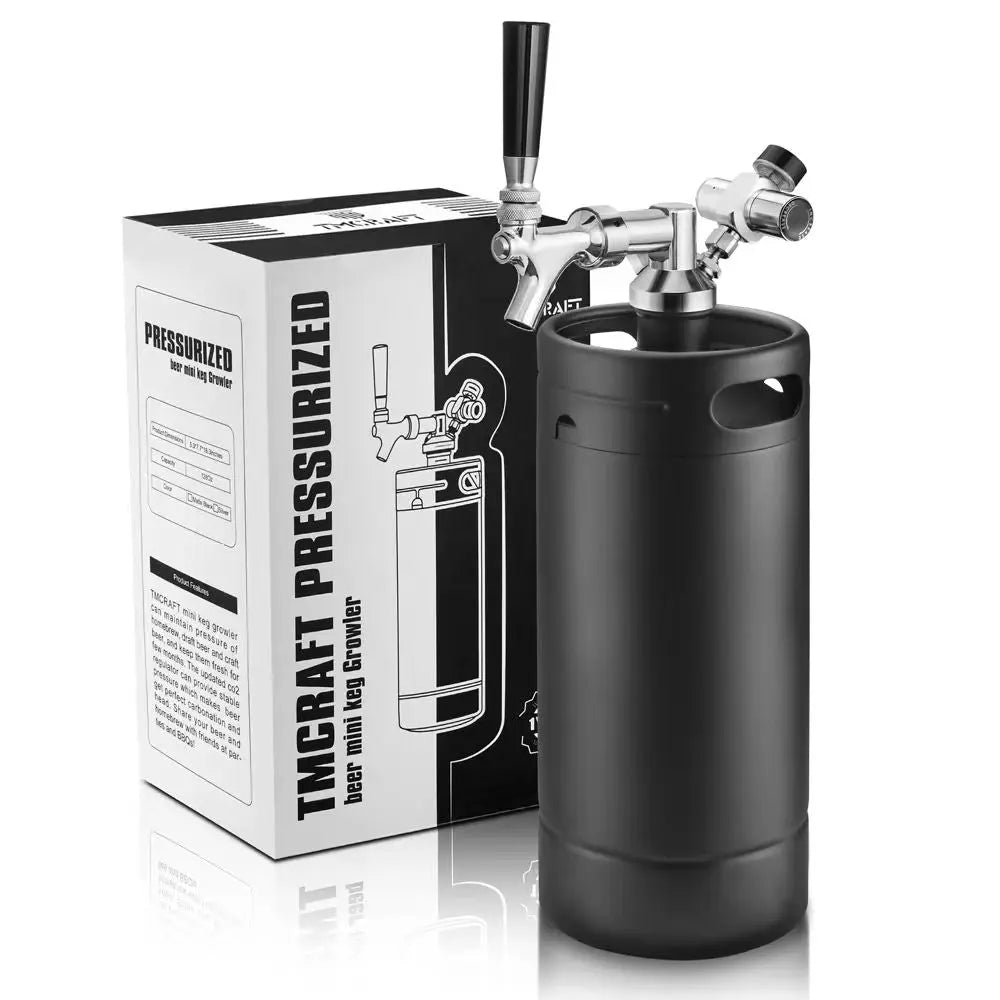
A coffee keg allows cold brew to be stored in a sealed container and dispensed directly through a faucet. With the right equipment, it can also be used to make nitro coffee.
But does putting coffee in a keg actually change its flavor?
The answer is more complicated than simply saying yes or no. The coffee recipe itself is still the most important factor, but storage, temperature, gas, and dispensing can all influence the final experience.
What Is a Coffee Keg?
A coffee keg is a reusable container designed to store and dispense coffee beverages.
Instead of keeping cold brew in a pitcher and pouring it manually, the beverage remains inside the keg until you are ready to serve it.
A basic system can include:
- Coffee keg
- Lid and sealing gasket
- Gas connection
- Beverage connection
- Beverage tubing
- Faucet
Depending on the application, the system may also use CO₂ or nitrogen.
The basic process is simple:
Brew → filter → chill → store → dispense.
This makes a keg particularly useful for people who prepare larger batches of cold brew.
Why Does Cold Brew on Tap Feel Smoother?
The answer often comes down to dispensing rather than the coffee itself.
When cold brew is poured from a pitcher, it simply flows into the glass.
With a draft system, the coffee travels through a beverage line and exits through a faucet. The flow and serving method can create a different mouthfeel and drinking experience.
The difference becomes even more noticeable with nitro coffee.
Nitrogen creates very small bubbles that can give coffee a smooth, creamy texture.
This is why cold brew on tap is often associated with the café experience.
Cold Brew and Nitro Coffee Are Not the Same
It is important to understand this distinction.
Regular cold brew is simply coffee brewed with cold or room-temperature water for an extended period.
Nitro coffee starts with cold brew but uses nitrogen to create a different texture and presentation.
Nitro coffee can have:
- A smoother mouthfeel
- Fine bubbles
- A creamy texture
- A distinctive cascading appearance
A coffee keg can support both regular cold brew dispensing and nitro applications, depending on the equipment used.
However, simply putting cold brew into a keg does not automatically make it nitro coffee.
How Temperature Affects Coffee Flavor
Temperature is one of the most important parts of serving cold brew.
Cold brew is generally served chilled, and maintaining a consistent temperature helps create a predictable drinking experience.
Temperature can also affect how gas behaves in the beverage.
For a draft coffee system, keeping the keg cold can help with:
- Consistent dispensing
- Beverage freshness
- Nitro performance
- Overall drinking quality
If your cold brew becomes too warm, the dispensing experience may change.
This is why cafés carefully manage both storage and serving temperature.
Why Oxygen Exposure Matters
Coffee gradually changes after brewing.
Exposure to oxygen can contribute to changes in aroma and flavor over time.
A sealed coffee keg can help limit unnecessary exposure by keeping the beverage in a closed container.
This does not mean that kegging will keep coffee fresh forever.
The coffee still needs to be:
- Properly brewed
- Properly filtered
- Stored at an appropriate temperature
- Kept in a clean system
The keg is one part of the overall storage process.
Why Choose a Stainless Keg for Coffee?
The material of the storage container also matters.
A stainless keg is a popular option for beverage applications because stainless steel is durable, reusable, and relatively easy to clean.
Coffee contains natural oils and compounds that can leave residue inside containers and beverage lines.
A smooth stainless-steel interior makes regular cleaning more manageable.
For people who prepare cold brew frequently, a reusable stainless keg can be a practical long-term solution.
How a Coffee Keg Changes the Serving Experience
One of the biggest differences is convenience.
With a pitcher, you need to:
- Open the refrigerator.
- Remove the container.
- Pour the coffee.
- Return the container.
With a keg system, the process can be much simpler.
Keep the keg chilled and connected to the faucet, then pour directly into your glass.
This makes draft coffee particularly convenient for:
- Home coffee stations
- Offices
- Parties
- Cafés
- Coffee enthusiasts
What Is a Cold Brew Dispenser?
A cold brew dispenser is essentially the part of the system that allows you to serve prepared coffee.
It may include:
- Faucet
- Beverage line
- Connector
- Pressure system
A keg can act as the storage component while the dispenser controls how the coffee reaches the glass.
The quality and cleanliness of these components matter because the coffee passes through them every time you pour.
How Gas Works in a Coffee Keg
Gas can have different purposes depending on the beverage.
For standard cold brew, pressure can simply help move the coffee from the keg to the faucet.
For nitro coffee, nitrogen is used to create the characteristic texture and appearance.
CO₂ can also be used in some beverage applications, but it should not automatically be treated as a replacement for nitrogen when the goal is traditional nitro coffee.
Understanding the purpose of the gas is important when building your system.
Does a Keg Make Cold Brew Taste Better?
Not necessarily.
The quality of the final drink still begins with the coffee itself.
Important factors include:
- Coffee bean quality
- Roast level
- Grind size
- Coffee-to-water ratio
- Brewing time
- Filtration
- Storage temperature
A keg cannot fix poorly brewed coffee.
However, a well-designed keg system can help you store and serve good cold brew more conveniently.
When the coffee recipe and storage conditions are already good, draft dispensing can make the overall experience even better.
Common Problems With Draft Coffee
Too Much Foam
If your coffee is being served with gas, excessive foam may be related to:
- Temperature
- Pressure
- Beverage line
- Faucet
- Gas selection
Check these factors before assuming the coffee itself is the problem.
Coffee Tastes Stale
Check how long the coffee has been stored and whether it has been exposed to air.
Also make sure the keg and dispensing system are properly cleaned.
Strange Coffee Flavor
Old coffee residue inside the beverage line or faucet can affect the flavor of a new batch.
This is why cleaning the entire system is just as important as cleaning the keg.
How to Keep a Coffee Keg Clean
Coffee contains oils that can accumulate over time.
After each batch:
- Empty the keg.
- Rinse the interior.
- Clean the keg thoroughly.
- Clean the beverage line.
- Clean the faucet.
- Inspect the seals and connections.
- Sanitize according to your equipment requirements.
Do not only clean the container.
The beverage line and faucet are also part of the coffee's path from keg to cup.
Is Draft Coffee Worth Trying at Home?
If you drink cold brew regularly, a coffee keg can be a useful addition to your home coffee setup.
It is particularly appealing if you:
- Make large batches
- Drink cold brew frequently
- Want coffee on tap
- Enjoy experimenting with nitro coffee
- Want a café-style serving experience
For occasional cold brew drinkers, a pitcher may remain the simpler option.
Final Thoughts: The Keg Is Part of the Coffee Experience
Cold brew flavor begins with the beans and brewing process, but what happens afterward also matters.
A coffee keg provides a sealed storage and convenient dispensing method. When combined with proper temperature control and a clean beverage system, it can make cold brew easier to store and serve.
For those interested in cold brew on tap, the next step is understanding how pressure, gas, temperature, and beverage lines work together.
And for anyone interested in nitro coffee, the right nitrogen-compatible equipment can take the experience even further.
A durable stainless keg can serve as the foundation of this setup, providing reusable beverage storage for regular cold brew preparation.
Ultimately, a good draft coffee system is not about making complicated coffee. It is about taking a well-made cold brew and making it easier to preserve, serve, and enjoy—one fresh pour at a time.
Link to: Cold Brew on Tap: What You Need to Know Before Using a Coffee Keg