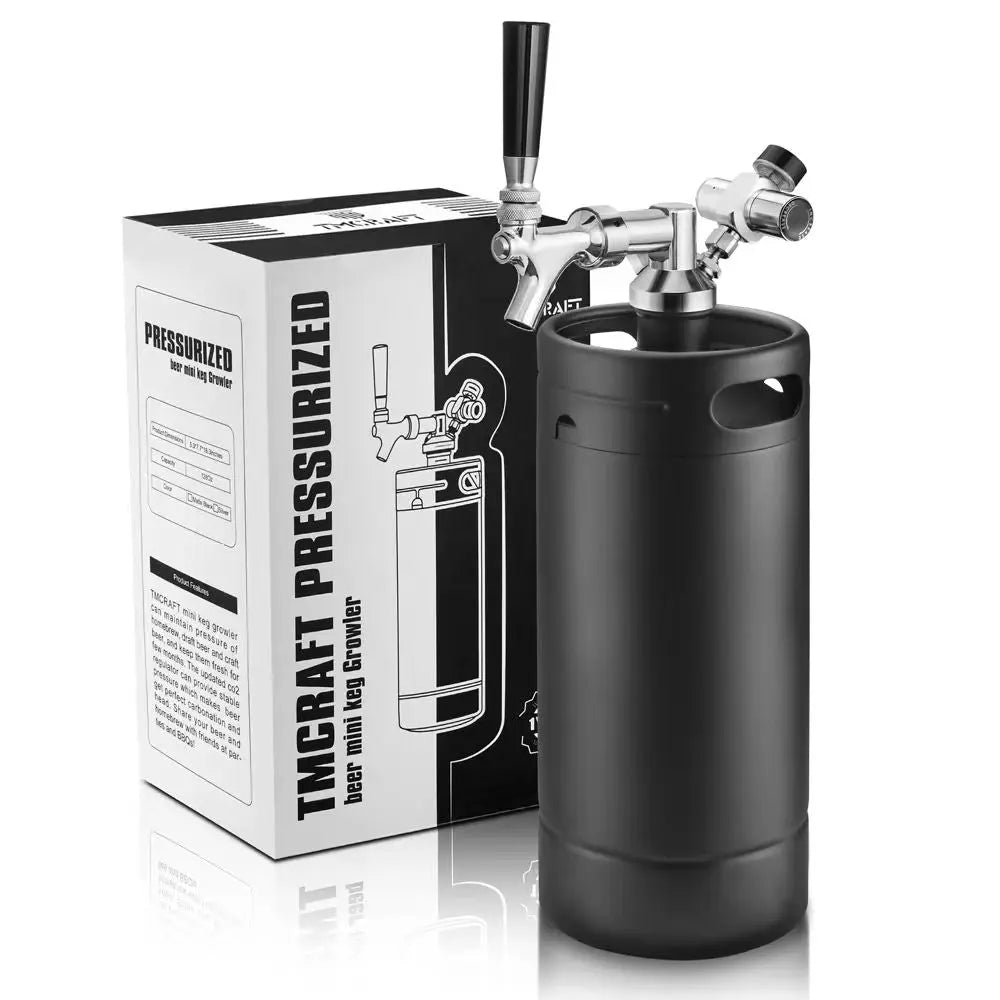


Why Do Home Brewers Switch to Ball Lock Kegs? Understanding the Benefits Beyond Bottling
Why More Home Brewers Are Moving Beyond Bottles
For many home brewers, bottling is the first step into homemade beer.
It is simple, familiar, and requires only basic equipment. After brewing a successful batch, many beginners enjoy the satisfaction of opening a bottle they created themselves.
However, as brewing experience grows, many home brewers begin looking for a more efficient solution. Filling dozens of bottles, managing carbonation, storing large quantities, and preparing drinks for gatherings can become time-consuming.
This is where a ball lock keg becomes an attractive upgrade.
A ball lock keg system provides more control over storage, carbonation, and serving. It allows home brewers to move from individual bottles to a convenient draft-style setup similar to what professional breweries use.
But why exactly do so many home brewers make the switch?
The answer comes down to better control, easier handling, and a more enjoyable drinking experience.
What Is a Ball Lock Keg?
A ball lock keg is a reusable stainless-steel pressure container designed for storing and dispensing beverages.
It uses a quick-connect system with two main connections:
- Gas post
- Liquid post
The gas side introduces pressure into the keg, while the liquid side transfers the beverage to the faucet.
A complete ball lock keg system usually includes:
- Stainless steel keg
- CO₂ tank
- Pressure regulator
- Gas line
- Beverage line
- Disconnect fittings
- Faucet or draft tower
Together, these components create a complete homebrew keg system.
Unlike traditional bottles, a ball lock keg allows users to control important factors such as:
- Carbonation level
- Serving pressure
- Storage conditions
- Pour quality
Kegging vs. Bottling: Understanding the Difference
Both bottling and kegging are popular methods for storing homemade beverages.
However, they offer very different experiences.
Bottling: The Traditional Home Brewing Method
Bottling has several advantages.
Simple Equipment
Most beginners start with bottles because the setup is straightforward.
Basic equipment includes:
- Bottles
- Caps
- Capper
- Filling equipment
Easy Sharing
Individual bottles are convenient for:
- Gifts
- Small gatherings
- Beer exchanges
However, bottling also has challenges.
Time-Consuming Process
A large batch of beer may require filling and sealing dozens of bottles.
This process includes:
- Cleaning bottles
- Sanitizing equipment
- Filling each bottle
- Applying caps
For regular brewers, this can become a lot of work.
Less Control After Packaging
Once beer is bottled, making adjustments becomes difficult.
Carbonation and serving conditions are mostly fixed.
Ball Lock Kegs: A More Flexible Brewing Solution
A ball lock keg system provides greater control throughout the entire serving process.
Instead of preparing many individual bottles, brewers can transfer one batch into a reusable keg.
The keg remains sealed while allowing adjustments to:
- Pressure
- Carbonation
- Serving speed
This makes it easier to achieve consistent results.
Benefit 1: Better Carbonation Control
Carbonation is one of the most important parts of beer quality.
Different beer styles require different carbonation levels.
A ball lock keg allows brewers to manage carbonation using CO₂ pressure.
This provides more flexibility compared with bottle conditioning.
Benefits include:
- Faster carbonation adjustments
- More consistent results
- Better control over final texture
For brewers who experiment with different beer styles, this level of control is extremely valuable.
Benefit 2: Faster and Easier Serving
One of the biggest advantages of kegging is convenience.
With bottles, serving requires:
- Opening individual bottles
- Pouring separately
- Managing empty containers
With a ball lock keg, users simply connect the faucet and pour.
This is especially useful for:
- Home bars
- Parties
- Family events
- Beer tasting sessions
A draft beer setup creates a more enjoyable serving experience.
Benefit 3: Less Packaging and Waste
Sustainability is becoming increasingly important for many beverage makers.
Bottling requires:
- Multiple containers
- Caps
- Labels
- Storage space
A reusable stainless steel keg reduces the need for disposable packaging.
After finishing a batch, users can simply clean the keg and refill it.
Benefit 4: Better Beverage Freshness
Exposure to oxygen can affect beverage quality.
A sealed ball lock keg helps protect beer by reducing unnecessary air exposure.
This helps maintain:
- Aroma
- Flavor
- Carbonation
- Overall freshness
For craft beer enthusiasts who carefully select ingredients and recipes, protecting the final product is essential.
Benefit 5: More Beverage Possibilities
Although ball lock kegs are popular among home brewers, they are not limited to beer.
A ball lock keg system can also be used for:
Cold Brew Coffee
Coffee lovers can store and dispense cold brew while maintaining freshness.
Sparkling Water
A keg system allows users to create customized carbonated drinks.
Kombucha
Fermentation enthusiasts can use kegs for controlled storage and serving.
Specialty Beverages
Creative users can experiment with:
- Homemade soda
- Non-alcoholic drinks
- Seasonal beverages
Understanding the Main Components of a Ball Lock Keg System
For beginners, kegging equipment may seem complicated.
However, each part has a specific function.
Stainless Steel Keg
The keg body stores the beverage.
High-quality stainless steel provides:
- Durability
- Easy cleaning
- Long-term reuse
CO₂ Tank
The CO₂ tank supplies gas pressure.
It helps with:
- Carbonation
- Dispensing
- Pressure maintenance
Pressure Regulator
The regulator controls how much gas enters the keg.
Proper pressure adjustment helps prevent:
- Excessive foam
- Flat beer
- Poor pouring performance
Gas and Liquid Connections
The two connections perform different jobs.
Gas Connection
Adds CO₂ into the keg.
Liquid Connection
Transfers beverage from the keg to the faucet.
Understanding these connections is essential for beginners.
Is a Ball Lock Keg System Difficult for Beginners?
Many beginners worry that kegging is too complicated.
In reality, learning the basics is straightforward.
The main skills include:
- Cleaning properly
- Connecting fittings correctly
- Adjusting pressure
- Balancing the dispensing system
Once the setup is understood, many users find kegging easier than bottling.
Common Mistakes When Starting With a Ball Lock Keg
Incorrect Pressure Settings
Too much pressure can create excessive foam.
Too little pressure can result in flat beverages.
Learning proper pressure adjustment is important.
Poor Cleaning Habits
Keg systems must be cleaned regularly.
Residue inside:
- Kegs
- Beverage lines
- Faucets
can affect flavor.
Ignoring Temperature
Temperature affects carbonation and pouring quality.
Keeping beverages properly chilled improves results.
Choosing the Right Ball Lock Keg Size
The right size depends on your brewing habits.
Small Ball Lock Kegs
Best for:
- Beginners
- Testing recipes
- Limited storage space
Medium Ball Lock Kegs
Suitable for:
- Regular home brewing
- Family use
- Small gatherings
Large Ball Lock Kegs
Ideal for:
- Experienced brewers
- Larger batches
- Frequent entertaining
Choosing the right capacity makes your keg system more convenient.
How to Maintain Your Ball Lock Keg System
Proper maintenance keeps your equipment performing well.
After each use:
- Empty the keg
- Rinse thoroughly
- Clean internal surfaces
- Sanitize before refilling
Also inspect:
- O-rings
- Connections
- Beverage lines
- Faucets
Regular maintenance improves both equipment life and beverage quality.
Why Ball Lock Kegs Are the Future of Home Brewing
The popularity of ball lock kegs reflects how home brewing continues to evolve.
Modern brewers want:
- More control
- Less manual work
- Better freshness
- Professional serving experiences
A ball lock keg system provides these advantages while remaining practical for home environments.
It allows beginners to grow their skills and experienced brewers to create more consistent results.
Final Thoughts: Making the Upgrade From Bottles to Draft
Switching from bottles to a ball lock keg is a major step for many home brewers.
While bottles remain useful for beginners and sharing, a keg system provides a higher level of control and convenience.
With better carbonation management, easier serving, reduced waste, and improved freshness, a ball lock keg helps transform homemade beverages into a professional-style experience.
For anyone serious about improving their home brewing journey, investing in a reliable ball lock keg system is a valuable next step.
Link to: Ball Lock Keg Setup for Beginners: Everything You Need Before Your First Pour