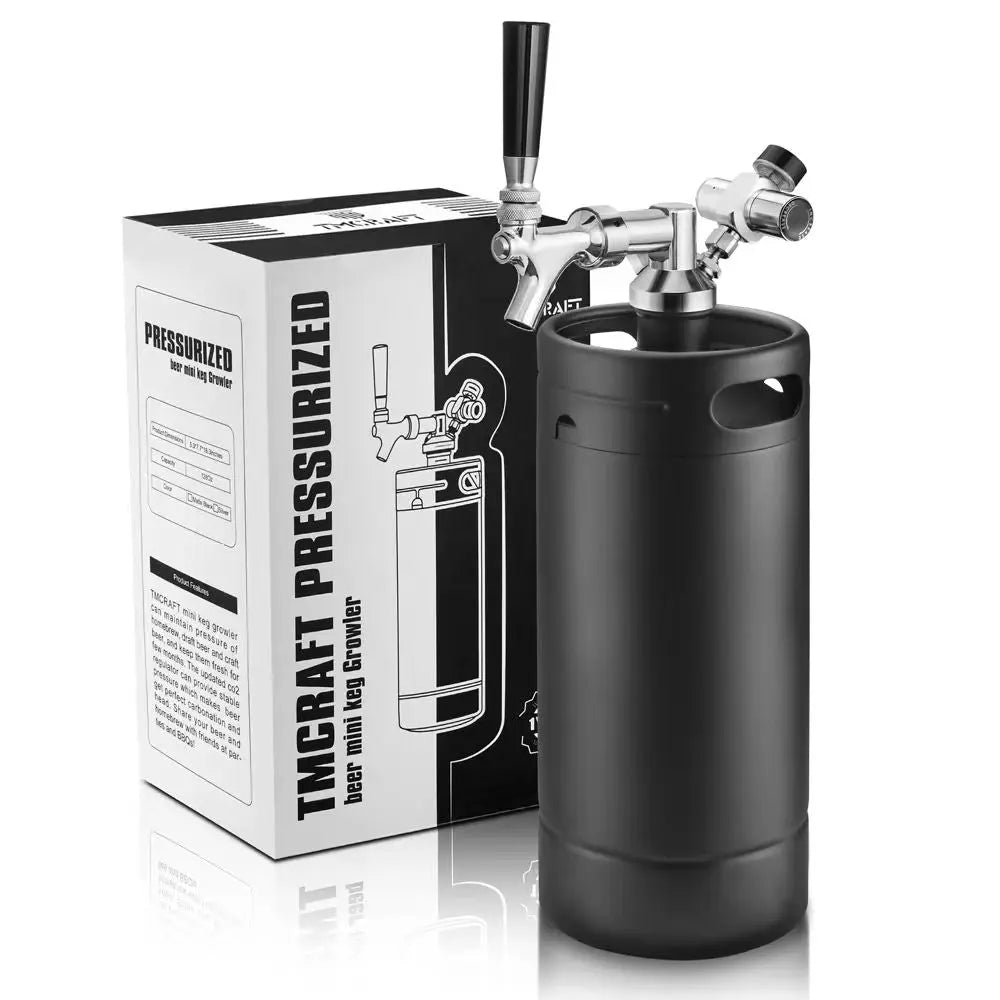


Ball Lock Keg Setup for Beginners: Everything You Need Before Your First Pour
Starting Your First Ball Lock Keg Setup
For many home beverage enthusiasts, moving from bottles to a kegging system is an exciting upgrade.
Bottling has been used for generations and remains a reliable way to store beverages. However, as people make larger batches of craft beer, cold brew coffee, sparkling drinks, or fermented beverages, they often begin searching for a more convenient solution.
This is where a ball lock keg setup becomes valuable.
A ball lock keg system allows users to store beverages in a sealed container, control carbonation, and serve drinks through a faucet. It brings the experience of a professional draft system into homes, garages, workshops, and small beverage spaces.
However, beginners often have questions:
- What equipment do I need?
- How does a ball lock keg work?
- What does each connection do?
- How do I avoid common setup mistakes?
Understanding the basics before purchasing equipment makes the process easier and helps create a smoother first pour.
What Is a Ball Lock Keg System?
A ball lock keg system is a beverage storage and dispensing setup built around a stainless steel pressure keg.
The system uses two main connections:
- Gas connection
- Liquid connection
The gas side introduces pressure into the keg, while the liquid side transfers the beverage to the faucet.
A complete system usually includes:
- Ball lock keg
- CO₂ tank
- Pressure regulator
- Gas line
- Beverage line
- Disconnect fittings
- Faucet or draft tower
Together, these components create a complete home draft system.
Unlike simple containers, a ball lock keg system allows users to control important factors such as:
- Carbonation level
- Serving pressure
- Beverage freshness
- Pour quality
Why Choose a Ball Lock Keg Setup?
Many beginners choose kegging because it simplifies the beverage process.
Instead of preparing many individual bottles, users can store one larger batch in a reusable keg.
A ball lock keg setup provides several advantages.
Easier Beverage Storage
A sealed keg protects beverages from unnecessary exposure to air.
This helps maintain:
- Fresh flavor
- Carbonation
- Beverage consistency
Faster Serving
With a faucet system, drinks can be served immediately.
This is convenient for:
- Home bars
- Parties
- Family gatherings
- Daily beverages
Better Control
A kegging system allows users to adjust conditions based on the beverage.
For example:
- Beer may require specific carbonation levels
- Sparkling water may need higher carbonation
- Nitro coffee requires nitrogen infusion
This flexibility makes ball lock kegs popular among beverage enthusiasts.
Understanding the Main Components of a Ball Lock Keg Setup
Before building your system, it is important to understand each part.
1. Ball Lock Keg: The Heart of the System
The ball lock keg is the main container where the beverage is stored.
Most quality kegs are made from food-grade stainless steel because it offers:
- Durability
- Corrosion resistance
- Easy cleaning
- Long service life
The keg body creates a sealed environment where pressure can be maintained.
Inside the keg are important components:
- Gas dip tube
- Liquid dip tube
- Posts
- Sealing rings
Each part works together to create reliable beverage storage.
2. CO₂ Tank: Providing Gas Pressure
A CO₂ tank supplies the gas needed for many beverage applications.
In a ball lock keg setup, CO₂ serves two main purposes:
Carbonation
CO₂ dissolves into beverages and creates carbonation.
This is essential for:
- Beer
- Soda
- Sparkling water
Dispensing
Gas pressure pushes the beverage from the keg through the beverage line and into the faucet.
Without proper gas pressure, a keg system cannot function correctly.
3. CO₂ Regulator: Controlling Pressure
The regulator is one of the most important pieces of kegging equipment.
A CO₂ tank contains high-pressure gas, but beverages require controlled pressure.
The regulator reduces and adjusts the pressure entering the keg.
A good regulator helps users manage:
- Carbonation speed
- Serving pressure
- Beverage consistency
Incorrect pressure settings can cause problems such as:
- Excessive foam
- Flat beverages
- Slow pouring
Learning pressure control is one of the most important skills for new keg users.
4. Gas and Liquid Disconnects: Connecting Your System
Ball lock kegs use two different disconnect fittings.
Gas Disconnect
The gas disconnect attaches to the gas post.
Its function is to:
- Deliver CO₂ into the keg
- Maintain pressure
- Support carbonation
Liquid Disconnect
The liquid disconnect attaches to the beverage post.
Its function is to:
- Transfer beverage from the keg
- Connect to the faucet system
- Provide smooth pouring
These quick-connect fittings make the system easier to assemble and maintain.
5. Gas Line and Beverage Line
The lines connect the keg to the external equipment.
Gas Line
The gas line carries CO₂ from the regulator to the keg.
A secure connection prevents pressure loss.
Beverage Line
The beverage line carries the drink from the keg to the faucet.
The length and balance of the beverage line can affect:
- Pour speed
- Foam level
- Serving quality
A properly balanced system creates a better drinking experience.
6. Faucet or Draft Tower
The final part of the system is the dispensing equipment.
The faucet controls how the beverage is served.
A good dispensing setup provides:
- Smooth pours
- Professional presentation
- Convenient serving
For home bars, a draft tower can create a more traditional bar-style experience.
Setting Up Your First Ball Lock Keg System Step by Step
Building a homebrew keg system does not have to be difficult.
Follow these basic steps.
Step 1: Clean and Sanitize the Keg
Before adding any beverage:
- Clean the keg interior
- Check seals
- Sanitize all contact surfaces
Clean equipment is essential for good flavor.
Step 2: Fill the Keg
Transfer your beverage into the keg.
Leave enough space at the top for gas pressure.
Step 3: Seal the Lid
Make sure the lid and gasket create a proper seal.
A poor seal can cause gas leaks.
Step 4: Connect CO₂
Attach the gas disconnect to the keg.
Adjust the regulator according to your beverage requirements.
Step 5: Connect the Beverage Line
Attach the liquid disconnect and connect it to your faucet.
Your system is now ready for serving.
Common Beginner Mistakes With Ball Lock Keg Systems
Even simple systems can have problems if setup is incorrect.
Too Much Foam
This is one of the most common beginner issues.
Possible causes include:
- Pressure too high
- Beverage temperature too warm
- Poor line balance
Solutions:
- Chill beverages properly
- Adjust pressure gradually
- Check beverage lines
Flat Beverage
Possible causes:
- Insufficient carbonation time
- Low gas pressure
- Poor sealing
Solutions:
- Check connections
- Increase carbonation time
- Inspect seals
Gas Leaks
Gas leaks reduce efficiency and increase operating costs.
Common causes:
- Damaged O-rings
- Loose fittings
- Incorrect connections
Regular inspection helps prevent these problems.
Choosing the Right Ball Lock Keg Size
The best keg size depends on your needs.
Small Ball Lock Kegs
Good for:
- Beginners
- Small batches
- Limited storage space
Medium Ball Lock Kegs
Suitable for:
- Regular home use
- Weekly brewing
- Family gatherings
Large Ball Lock Kegs
Ideal for:
- Experienced homebrewers
- Larger beverage production
- Events
Choosing the right capacity makes your kegging experience more convenient.
Ball Lock Kegs Are Not Only for Beer
Although ball lock kegs are commonly used for beer, they can support many beverage applications.
Craft Beer
Homebrewers use keg systems for:
- Better carbonation control
- Easier serving
- Less packaging
Cold Brew Coffee
A ball lock keg system helps store cold brew while maintaining freshness.
Sparkling Water
Users can create customized carbonated beverages with different flavors.
Kombucha
The controlled environment helps fermentation enthusiasts manage storage and serving.
Maintaining Your Ball Lock Keg Setup
Proper maintenance improves both beverage quality and equipment lifespan.
Clean After Every Use
Remove beverage residue immediately.
Clean Small Components
Pay attention to:
- Disconnect fittings
- Beverage lines
- Dip tubes
- Faucets
Replace Worn Parts
Inspect:
- O-rings
- Gaskets
- Connectors
Small replacement parts can prevent larger problems.
Upgrading Your Home Beverage Experience
A ball lock keg setup gives users more than just storage.
It creates opportunities to explore:
- Different beer recipes
- Specialty coffee drinks
- Homemade sparkling beverages
- Creative draft cocktails
As your experience grows, you can expand your system with additional kegs, faucets, and accessories.
Final Thoughts: Build Confidence Before Your First Pour
A ball lock keg setup may seem complicated at first, but every component has a clear purpose.
The keg stores the beverage.
The CO₂ system controls pressure.
The regulator manages carbonation.
The faucet delivers the final pour.
Understanding these basics helps beginners avoid common mistakes and create a reliable beverage system.
Whether you are starting your first homebrew keg system or upgrading from bottles, a ball lock keg provides better control, easier serving, and a more enjoyable draft experience at home.
Link to: Ball Lock Keg Parts Explained: Understanding Every Component Before You Start Kegging