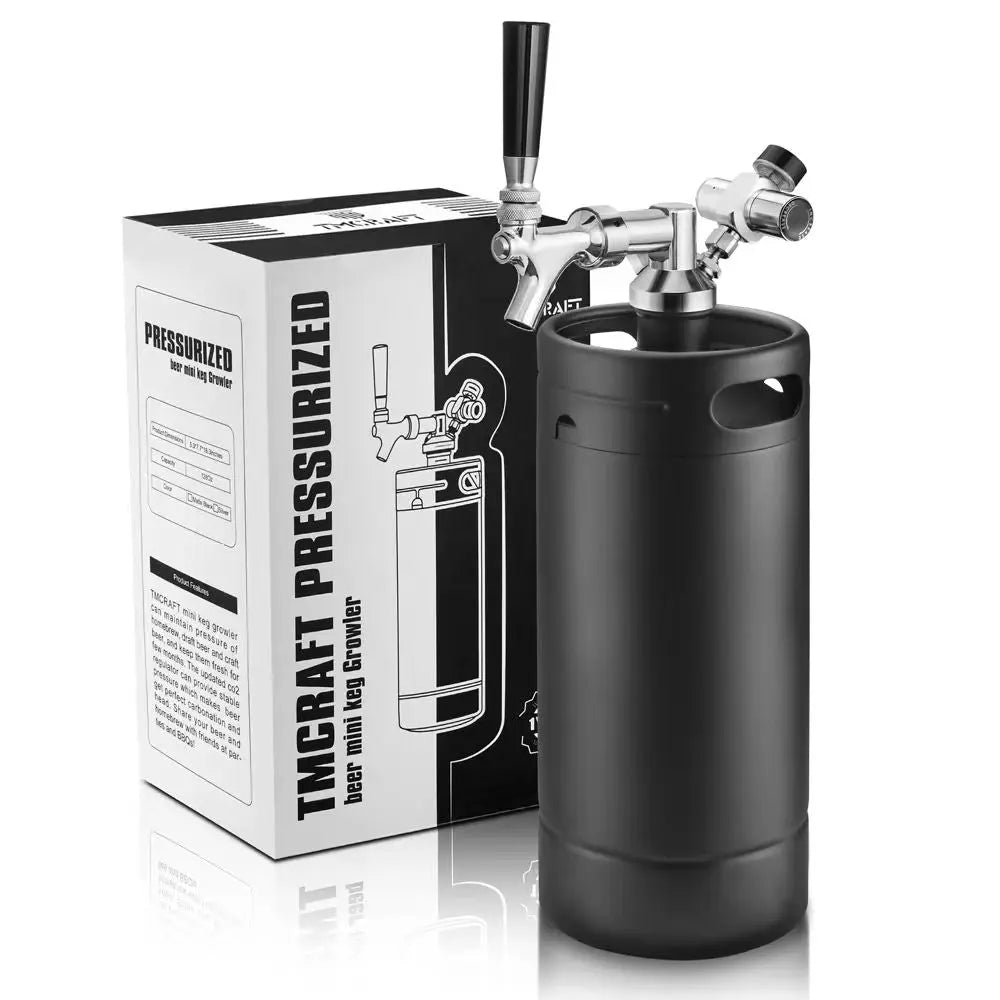


Why Coffee Kegs Are the Key to Better Cold Brew: Freshness, Texture, and Control Explained
Primary SEO Keywords
Coffee Keg, Nitro Coffee Keg, TMCRAFT Coffee Kegs
Secondary SEO Keywords
Cold brew keg, nitro coffee at home, coffee keg system, nitrogen coffee, home coffee brewing equipment
Introduction: The Real Problem with Home Cold Brew
Cold brew is popular for good reason—it’s smooth, low-acid, and easy to drink. But for many home coffee drinkers, the experience rarely matches what they get from a café. The flavor fades quickly, the texture feels thin, and bottled cold brew loses its appeal after just a few days.
The issue isn’t the beans or the recipe. It’s storage and serving.
Cafés rely on pressurized systems to keep cold brew fresh and to create nitro coffee’s signature creamy mouthfeel. At home, most people rely on bottles, pitchers, or jars—containers that expose coffee to oxygen and offer no control over texture.
This is exactly where the coffee keg changes everything.
A coffee keg is not just a container. It’s a controlled beverage system that preserves freshness, stabilizes flavor, and allows nitrogen infusion for café-quality nitro coffee. In this guide, we’ll explain why coffee kegs outperform traditional storage methods and how TMCRAFT Coffee Kegs are designed for consistent, daily use.
What Is a Coffee Keg?
A coffee keg is a stainless steel, pressure-capable vessel designed specifically for cold brew coffee and nitrogen infusion. Unlike beer kegs, coffee kegs are optimized for non-carbonated beverages and nitrogen-based dispensing.
Core Characteristics of a Coffee Keg
- Food-grade stainless steel construction
- Airtight, pressurized design
- Compatible with nitrogen (N₂) or nitrous oxide (N₂O)
- Smooth internal surfaces for coffee oils
- Designed for cold storage and tap dispensing
TMCRAFT Coffee Kegs are engineered to handle the unique properties of coffee—oils, acidity, and extended storage—without flavor contamination.
Why Bottles and Pitchers Fail Cold Brew
Most home cold brew problems come down to oxygen exposure and inconsistent handling.
Common Issues with Bottled Cold Brew
- Oxygen enters every time the container is opened
- Flavor degrades rapidly after 2–3 days
- No way to preserve texture or body
- Inconsistent pours and dilution
Once oxygen contacts cold brew, oxidation begins immediately. This dulls aroma, flattens flavor, and shortens shelf life.
A coffee keg solves this by keeping cold brew in a sealed, pressurized environment, where oxygen never replaces the liquid being dispensed.
How Coffee Kegs Preserve Freshness
Oxygen Exclusion Is the Foundation
A coffee keg uses pressure to push coffee out while replacing volume with gas—not air. This means:
- No oxygen exposure during serving
- Slower flavor degradation
- More stable aroma and taste
When properly cleaned and refrigerated, cold brew stored in a coffee keg can remain fresh one to two weeks longer than bottled cold brew.
Temperature Stability Matters
Coffee kegs are designed to remain cold inside a refrigerator or cooler. Cold temperatures slow oxidation and help nitrogen remain suspended in solution.
TMCRAFT Coffee Kegs are built from stainless steel, which helps maintain temperature consistency and protects coffee from light exposure.
The Role of Nitrogen in Coffee Kegs
Nitro coffee isn’t about carbonation—it’s about texture and mouthfeel.
Why Nitrogen Works for Coffee
Unlike CO₂, nitrogen:
- Does not form acid
- Does not add sharpness
- Creates tiny, stable bubbles
When cold brew is dispensed through a restricted tap under nitrogen pressure, it produces:
- A creamy, velvety mouthfeel
- A cascading visual effect
- A naturally sweet perception
A coffee keg provides the pressure control needed to keep nitrogen dissolved until the moment of pouring.
Coffee Keg vs Beer Keg: Why Design Matters
While both are pressurized vessels, coffee kegs differ from beer kegs in important ways.
| Feature | Coffee Keg | Beer Keg |
|---|---|---|
| Primary Gas | Nitrogen / N₂O | CO₂ |
| Carbonation | None | Required |
| Internal Finish | Optimized for oils | Optimized for yeast |
| Serving Pressure | Higher | Lower |
| Beverage Type | Cold brew, tea | Beer |
TMCRAFT Coffee Kegs are designed specifically for coffee workflows, not repurposed beer equipment.
How a Coffee Keg System Works
A home coffee keg system typically includes:
- Coffee Keg – Holds cold brew under pressure
- Nitrogen Source – N₂ or N₂O cartridges or tank
- Pressure Control – Regulator or integrated valve
- Dispensing Tap – Often a stout or restrictor faucet
This system allows coffee to remain sealed, pressurized, and ready to pour at any time.
Choosing Between Nitrogen (N₂) and Nitrous Oxide (N₂O)
Both gases are used in coffee kegs, but they produce slightly different results.
Nitrogen (N₂)
- Classic café-style nitro
- Smaller bubbles
- Denser foam
- Requires higher pressure
Nitrous Oxide (N₂O)
- Easier to dissolve
- Slightly softer texture
- Common in compact home systems
TMCRAFT Coffee Kegs support both options, giving users flexibility in flavor and mouthfeel.
Serving Nitro Coffee from a Keg
Proper serving technique ensures consistent results.
Best Practices
- Keep the keg fully chilled
- Pour straight down into the glass
- Use steady pressure
- Allow the cascade to settle
A correct pour creates the hallmark nitro look and texture without excessive foam.
How Long Does Cold Brew Last in a Coffee Keg?
When properly cleaned, sealed, and refrigerated:
- Bottled cold brew: 3–5 days after opening
- Coffee keg cold brew: 10–14 days or longer
The difference is continuous oxygen protection and pressure stability.
Cleaning and Maintenance: Essential for Coffee Kegs
Coffee oils require regular cleaning to prevent buildup and flavor carryover.
Recommended Routine
- Rinse immediately after emptying
- Use coffee-safe cleaning solution
- Disassemble dispensing parts periodically
- Sanitize before refilling
TMCRAFT Coffee Kegs feature smooth internal surfaces that simplify cleaning and reduce residue retention.
Common Mistakes with Home Coffee Kegs
Using CO₂ Instead of Nitrogen
Adds acidity and fizz—unsuitable for coffee.
Poor Filtration
Fine grounds clog dip tubes and taps.
Warm Storage
Reduces nitrogen retention and accelerates oxidation.
Avoiding these mistakes ensures consistent performance.
Coffee Kegs Beyond Cold Brew
Coffee kegs are versatile beverage tools.
They are commonly used for:
- Nitro tea
- Cascara drinks
- Coffee mocktails
- Low-acid cold brew blends
This makes a coffee keg useful year-round, not just for coffee.
Why TMCRAFT Coffee Kegs Are Built for Daily Use
TMCRAFT Coffee Kegs are designed specifically for repeat home use, not novelty applications.
TMCRAFT Design Advantages
- Food-grade stainless steel
- Pressure-stable lid and seals
- Cartridge-compatible nitrogen systems
- Compact sizes for home refrigeration
- Built to handle coffee oils safely
These features support long-term reliability and consistent flavor.
Who Should Use a Coffee Keg?
Coffee kegs are ideal for:
- Daily cold brew drinkers
- Nitro coffee enthusiasts
- Home bar setups
- Small offices or shared kitchens
Anyone seeking café-quality texture and freshness at home will benefit from a coffee keg system.
Conclusion: Coffee Kegs Solve the Problems Bottles Can’t
The difference between average cold brew and great cold brew isn’t just the recipe—it’s the system. Coffee kegs eliminate oxygen exposure, preserve flavor, and unlock the creamy texture that defines nitro coffee.
For home users who want consistent results, less waste, and better control, a TMCRAFT Coffee Keg offers a professional-grade solution designed for everyday use.
Freshness, texture, and reliability aren’t accidental—they’re engineered.
Link to: Nitro Coffee on Tap: How a Coffee Keg Brings Café-Quality Cold Brew Home