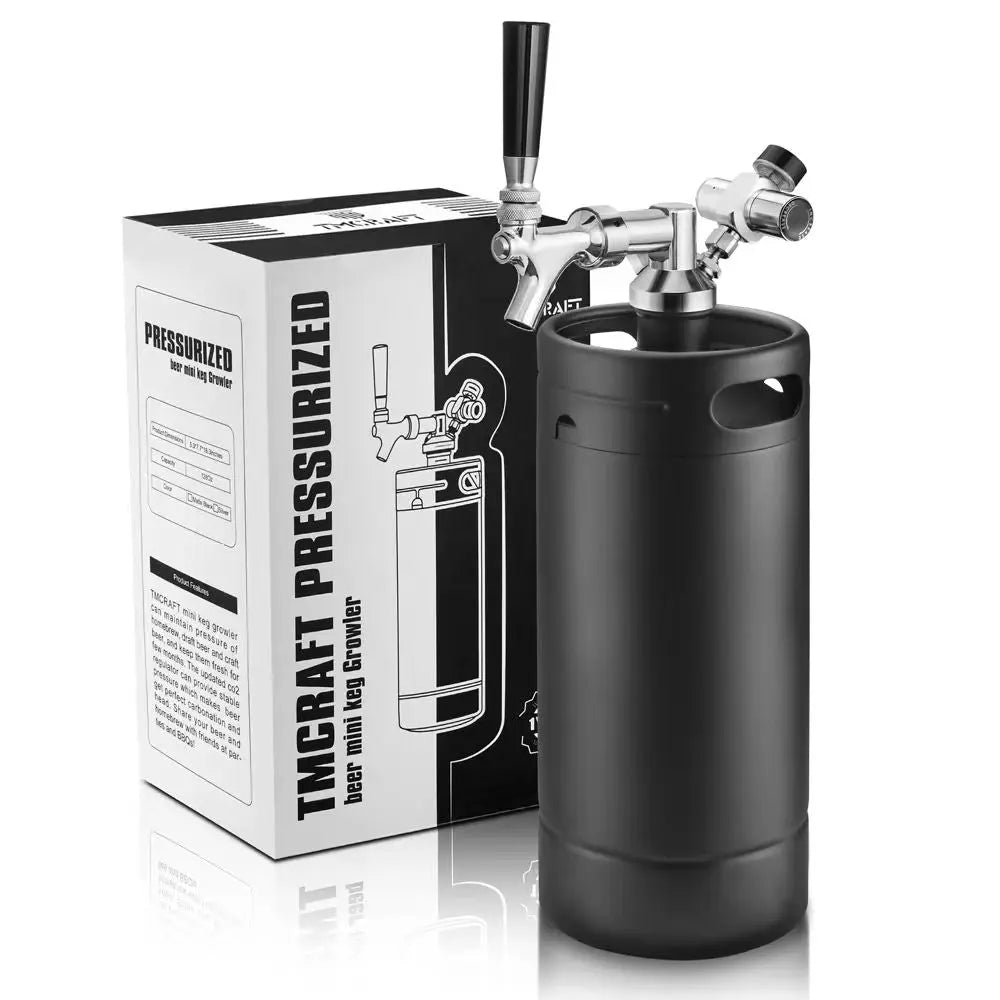


Nitro Coffee on Tap: How a Coffee Keg Brings Café-Quality Cold Brew Home
Keywords
Coffee Keg, Nitro Coffee, Cold Brew Keg, TMCRAFT Coffee Kegs, Nitro cold brew, home nitro coffee, coffee keg setup, nitrogen coffee, cold brew on tap, home coffee brewing system
Introduction: Why Coffee Kegs Are Changing Home Cold Brew
Cold brew coffee has become a daily staple for many coffee drinkers thanks to its smooth flavor and low acidity. But in cafés, cold brew rarely stops there—it is often served as nitro coffee, infused with nitrogen to create a creamy texture and cascading pour.
Until recently, enjoying nitro coffee required frequent café visits or expensive commercial equipment. Today, coffee keg systems have made it possible to brew, store, and serve nitro cold brew at home with professional-level results.
A coffee keg allows home brewers to:
- Preserve cold brew freshness
- Infuse nitrogen consistently
- Serve smooth, creamy coffee on demand
- Eliminate waste from bottles and cans
This guide explains how coffee kegs work, why nitrogen matters, how to set up a home system, and why TMCRAFT Coffee Kegs are designed specifically for daily nitro coffee enjoyment.
What Is a Coffee Keg?
A coffee keg is a stainless steel, pressure-rated vessel designed for cold brew coffee and nitrogen infusion. Unlike beer kegs, coffee kegs are optimized to work with nitrogen (N₂) or nitrous oxide (N₂O) rather than carbon dioxide.
Key Features of a Coffee Keg
- Food-grade stainless steel construction
- Airtight, pressure-capable design
- Smooth interior surfaces for coffee oils
- Compatibility with nitrogen cartridges or tanks
- Designed for cold beverages, not carbonation
TMCRAFT Coffee Kegs are purpose-built for coffee, ensuring clean flavor, stable pressure, and long-term durability.
The Science Behind Nitro Coffee
Nitro coffee’s appeal lies in its texture rather than carbonation.
Why Nitrogen Instead of CO₂?
Carbon dioxide dissolves easily in liquid and forms carbonic acid, which adds sharpness and acidity. This works for beer, but not for coffee.
Nitrogen:
- Is far less soluble
- Does not acidify coffee
- Produces microbubbles instead of fizz
When coffee is pushed through a restricted faucet under nitrogen pressure, it creates:
- A creamy mouthfeel
- A dense foam head
- A natural sweetness perception
A coffee keg provides the sealed, pressurized environment necessary to maintain nitrogen suspension until the moment of serving.
Cold Brew vs Nitro Cold Brew
Standard Cold Brew
- Steeped in cold water for 12–24 hours
- Smooth and low acidity
- Served still
Nitro Cold Brew
- Cold brew infused with nitrogen
- Served under pressure
- Thick, cascading appearance
- Creamy texture without dairy
Without a coffee keg, nitrogen escapes quickly. Bottles and open containers cannot maintain the pressure needed for a true nitro experience.
How a Coffee Keg System Works
A typical home coffee keg system includes:
- Coffee Keg – Stores cold brew under pressure
- Nitrogen Source – N₂ or N₂O cartridges or tank
- Pressure Control – Regulator or built-in valve
- Dispensing Tap – Often a stout or nitro faucet
TMCRAFT Coffee Kegs are compatible with compact, cartridge-based nitrogen systems, making them ideal for home kitchens, refrigerators, and countertop setups.
Brewing Cold Brew for a Coffee Keg
Step 1: Grind and Ratio
- Use coarse-ground coffee
- Common ratio: 1:4 or 1:5 (coffee to water)
Step 2: Steep
- Cold steep for 16–24 hours
- Refrigeration improves consistency
Step 3: Filter Thoroughly
- Remove fine sediment
- Prevent clogging and off-flavors
Clean filtration is essential for smooth dispensing and consistent pours.
Filling and Charging a Coffee Keg
Filling the Keg
- Sanitize before filling
- Transfer filtered cold brew carefully
- Minimize oxygen exposure
Charging with Nitrogen
- Insert nitrogen cartridge
- Shake gently to distribute gas
- Allow coffee to rest under pressure
Chilling the keg improves nitrogen retention and pour quality.
Choosing Between N₂ and N₂O
Nitrogen (N₂)
- Produces classic café-style nitro
- Smaller bubbles
- Requires higher pressure
Nitrous Oxide (N₂O)
- Dissolves more easily
- Slightly sweeter mouthfeel
- Popular for compact home systems
TMCRAFT Coffee Kegs support both options, allowing users to tailor flavor and texture.
Why Coffee Kegs Are Better Than Bottles and Cans
Limitations of Bottled Cold Brew
- Oxygen exposure
- Short shelf life once opened
- No nitrogen retention
Advantages of Coffee Kegs
- Sealed, pressurized storage
- Longer freshness
- Consistent nitro texture
- Less waste
A coffee keg transforms cold brew from a short-lived beverage into a reliable daily ritual.
How Long Does Cold Brew Stay Fresh in a Coffee Keg?
When properly stored and pressurized:
- Bottled cold brew: 3–5 days after opening
- Coffee keg cold brew: up to 2 weeks or longer
Nitrogen pressure and airtight sealing slow oxidation and preserve flavor clarity.
Cleaning and Maintenance for Coffee Kegs
Coffee oils require regular cleaning to maintain flavor.
Best Practices
- Rinse immediately after emptying
- Use coffee-safe cleaning solution
- Disassemble dispensing parts periodically
- Sanitize before refilling
TMCRAFT Coffee Kegs feature smooth internal finishes, reducing oil buildup and simplifying maintenance.
Common Nitro Coffee Mistakes
Using CO₂ Instead of Nitrogen
Results in acidic, fizzy coffee.
Serving Warm Coffee
Nitrogen dissolves poorly at higher temperatures.
Poor Filtration
Leads to clogging and uneven pours.
Avoiding these mistakes ensures consistent nitro performance.
Beyond Coffee: Other Uses for a Coffee Keg
Coffee kegs are surprisingly versatile.
Popular alternatives include:
- Nitro tea
- Cascara beverages
- Coffee mocktails
- Low-acid cold brew blends
This versatility makes a coffee keg a valuable tool beyond morning coffee.
Why TMCRAFT Coffee Kegs Are Designed for Home Nitro Brewing
TMCRAFT Coffee Kegs are engineered specifically for home users—not adapted from beer hardware.
TMCRAFT Design Advantages
- Food-grade stainless steel construction
- Cartridge-compatible nitrogen systems
- Leak-resistant sealing
- Compact sizes for home refrigeration
- Designed to handle coffee oils safely
These features ensure stable pressure, clean flavor, and long service life.
Who Should Use a Coffee Keg?
Coffee kegs are ideal for:
- Daily cold brew drinkers
- Nitro coffee enthusiasts
- Home bar and beverage setups
- Small offices or shared spaces
Anyone seeking café-quality nitro without daily purchases can benefit from a coffee keg system.
Conclusion: Café-Quality Nitro Coffee, Simplified
Nitro coffee is no longer limited to specialty cafés. With a well-designed coffee keg system, smooth, creamy cold brew can be served at home with consistency and ease.
By preserving freshness, enhancing texture, and simplifying serving, coffee kegs elevate everyday coffee into a premium experience. For those who value quality, convenience, and control, TMCRAFT Coffee Kegs offer a reliable path to nitro coffee on tap—every day.
Link to: From Cold Brew to Nitro Tap: Building a Home Coffee Keg System That Delivers Every Day