

Why Coffee Kegs Are Changing Cold Brew Storage: Flavor, Freshness, and Control Explained
Primary SEO Keywords
coffee keg, coffee keg system, stainless steel coffee keg
Secondary SEO Keywords
cold brew keg, nitro coffee keg, pressurized coffee container, cold brew storage, nitro coffee system
Introduction: Cold Brew’s Biggest Weakness Isn’t the Recipe
Cold brew coffee has earned its reputation for smoothness and low acidity, but it also has a hidden weakness: once brewed, it degrades quickly if stored incorrectly. Many home brewers and cafés invest heavily in beans and brewing techniques, only to lose flavor due to oxygen exposure, unstable temperatures, or poor storage containers.
This is where the coffee keg becomes essential. Rather than acting as a simple container, a coffee keg functions as a controlled storage and dispensing system. By managing oxygen, pressure, and hygiene, coffee kegs preserve the characteristics that make cold brew and nitro coffee appealing in the first place.
This article explains why coffee kegs have become a preferred solution for modern cold brew storage, how they work, and what to consider when choosing a system.
What Is a Coffee Keg?
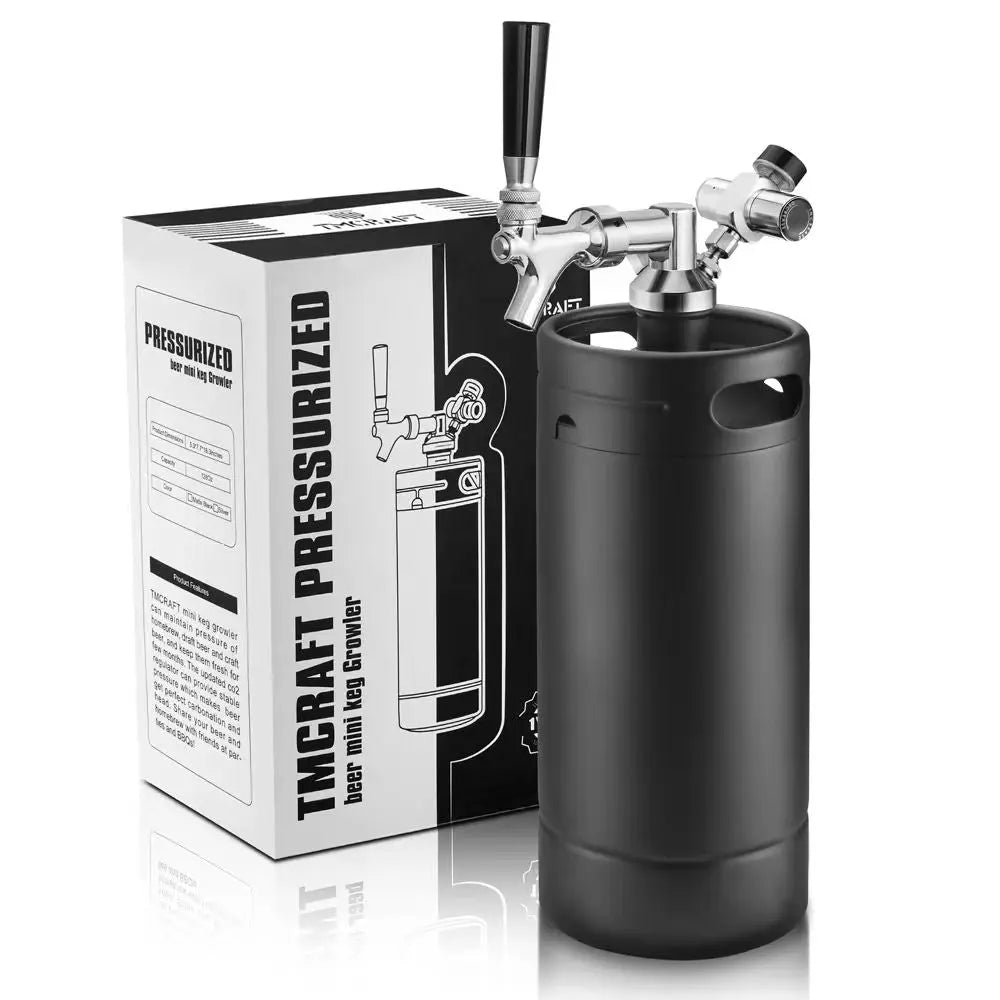
A coffee keg is a sealed, pressurized stainless steel vessel designed to store and dispense brewed coffee. While visually similar to beer kegs, coffee kegs are optimized for the chemical and physical properties of coffee—particularly cold brew and nitrogen-infused beverages.
Coffee kegs are commonly used in:
- Cafés and specialty coffee shops
- Offices and shared workspaces
- Events and mobile coffee carts
- Home cold brew setups
Their purpose is not just convenience, but quality preservation over time.
Why Cold Brew Degrades So Quickly
To understand the value of a coffee keg system, it’s important to understand how brewed coffee deteriorates.
Oxygen Exposure
Oxygen reacts with aromatic compounds in coffee, flattening flavor and introducing bitterness. Open pitchers and bottles allow continuous oxygen contact, accelerating this process.
Temperature Instability
Cold brew is often removed from refrigeration during service, then returned later. Repeated temperature changes disrupt flavor balance and shorten shelf life.
Microbial Growth
Cold brew’s lower acidity makes it more vulnerable to microbial contamination if containers are not sealed and sanitized properly.
A coffee keg addresses all three risks by maintaining a closed, controlled environment.
How Coffee Keg Systems Work
A coffee keg operates as a closed-loop dispensing system.
- Brewed coffee is transferred into the keg
- The keg is sealed airtight
- Gas pressure is applied
- Coffee is dispensed through a tap
- Gas replaces liquid volume, not air
Because air never enters the keg during service, oxidation is minimized and flavor remains stable from the first pour to the last.
Cold Brew vs Nitro Coffee: Different Requirements
Cold Brew Coffee
Cold brew benefits from:
- Low, stable pressure
- Minimal agitation
- Oxygen-free storage
A coffee keg allows cold brew to remain smooth and balanced for extended periods when refrigerated.
Nitro Coffee
Nitro coffee introduces nitrogen gas to create a creamy mouthfeel and cascading visual effect. This requires:
- Nitrogen-compatible fittings
- Consistent internal pressure
- Smooth flow paths
High-quality coffee kegs are designed to support both applications without altering the core system.
Why Stainless Steel Is Critical for Coffee Storage
Coffee contains oils that readily absorb and transfer flavors. Material choice directly impacts taste consistency.
Food-grade stainless steel provides:
- Neutral flavor retention
- Resistance to coffee oils and acids
- Easy sanitation
- Long service life
Plastic containers can retain oils, while glass is fragile and difficult to integrate into pressurized systems. TMCRAFT coffee kegs use high-grade stainless steel to maintain clean flavor profiles across batches.
Coffee Keg vs Traditional Containers
| Feature | Coffee Keg | Bottles / Pitchers |
|---|---|---|
| Oxygen Control | Excellent | Poor |
| Pressure Capability | Yes | No |
| Nitro Compatibility | Yes | No |
| Sanitation Access | Full | Limited |
For anyone storing coffee beyond same-day consumption, these differences are significant.
Choosing the Right Coffee Keg Size
Small Coffee Kegs (64–128 oz)
Best for:
- Home use
- Small offices
- Frequent brewing cycles
Larger Coffee Kegs (1–3 Gallons)
Best for:
- Cafés
- Events
- High-volume service
Smaller kegs reduce waste, while larger kegs improve service efficiency.
Gas Options: Nitrogen, N₂O, and CO₂
Gas choice affects both texture and flavor.
Nitrogen (N₂)
- Creates smooth, creamy mouthfeel
- Does not increase acidity
- Ideal for nitro coffee
Nitrous Oxide (N₂O)
- Adds mild sweetness perception
- Common in portable systems
CO₂
- Suitable for cold brew storage
- Requires lower pressure than beer
TMCRAFT coffee kegs support non-threaded N₂ and N₂O cartridges, offering flexibility across setups.
Cleaning and Maintenance Best Practices
Coffee oils build up quickly and must be managed carefully.
Recommended practices:
- Rinse immediately after emptying
- Use food-safe cleaning solutions
- Disassemble taps and seals regularly
- Allow components to fully dry
Dedicated cleaning kegs can simplify sanitation and extend system lifespan.
Common Coffee Keg Mistakes
-
Leaving headspace unpressurized
Trapped air accelerates oxidation. -
Using excessive pressure
Disrupts texture and flow. -
Infrequent deep cleaning
Causes flavor carryover between batches.
Avoiding these mistakes ensures consistent results.
Coffee Kegs Beyond Cafés
Coffee kegs are increasingly used in:
- Office beverage programs
- Hotels and hospitality settings
- Mobile coffee carts
- Home kitchens
Their portability and reliability make them practical in many environments.
Why TMCRAFT Coffee Kegs Are Designed for Real Use
TMCRAFT coffee kegs are built with:
- Pressure-stable lids
- Durable food-grade seals
- Compatibility with nitrogen systems
- Sizes suitable for home and professional users
This design approach supports consistent coffee quality in real-world conditions.
Final Thoughts: Is a Coffee Keg Worth Using?
A coffee keg system protects brewed coffee from oxygen, temperature instability, and contamination—three of the most common causes of quality loss. By creating a sealed, pressurized environment, coffee kegs preserve flavor clarity, texture, and freshness far better than traditional containers.
For anyone serious about cold brew or nitro coffee quality, a well-designed coffee keg—such as those from TMCRAFT—is not just convenient, but essential.
Link to: From Cold Brew to Nitro: How Coffee Kegs Protect Flavor, Texture, and Freshness