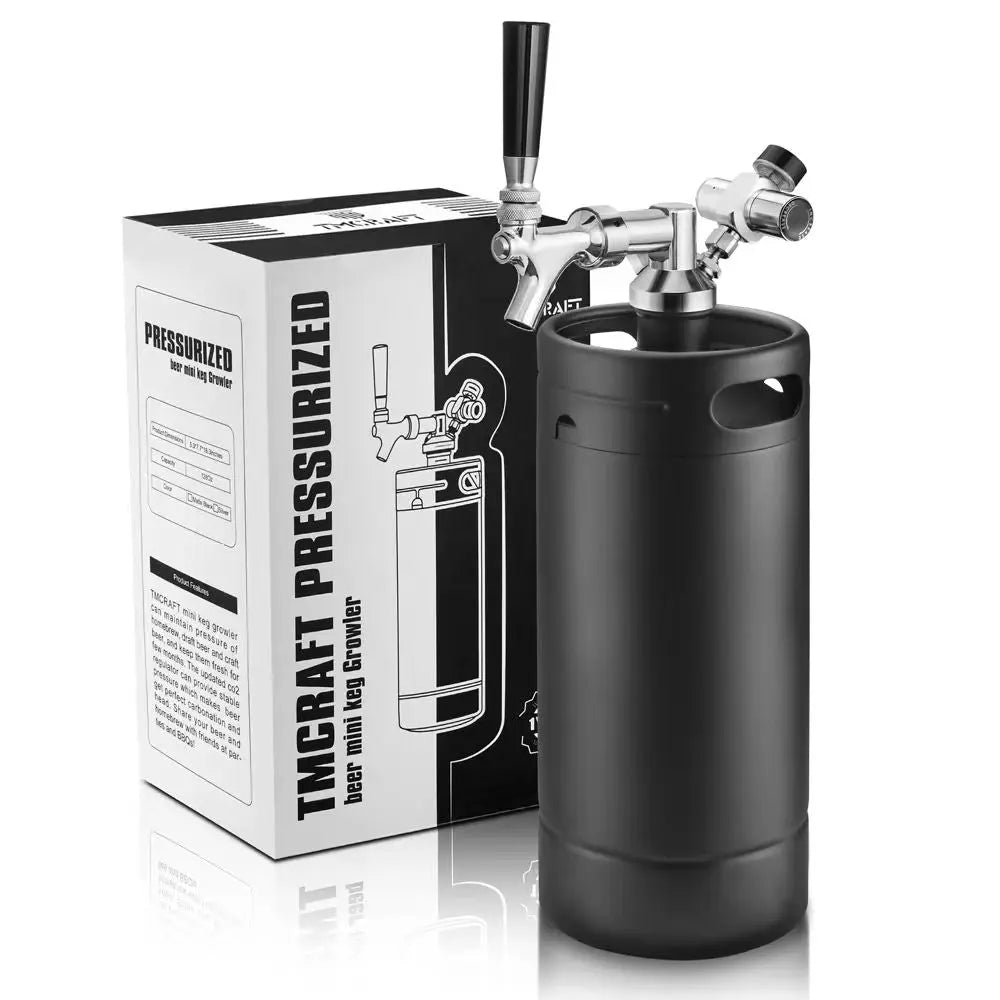


From Cold Brew to Nitro: How Coffee Kegs Protect Flavor, Texture, and Freshness
Primary SEO Keywords
coffee keg, coffee keg system, stainless steel coffee keg
Secondary SEO Keywords
cold brew keg, nitro coffee keg, pressurized coffee container, cold brew storage, nitro coffee system
Introduction: Why Coffee Storage Is More Complex Than It Seems
Great coffee does not end when brewing is finished. In fact, what happens after extraction often determines whether a cold brew tastes vibrant and smooth—or flat, sour, and stale. As cold brew and nitro coffee grow in popularity, more cafés, home enthusiasts, and mobile vendors are turning to the coffee keg as a long-term storage and dispensing solution.
Unlike open containers or basic pitchers, a coffee keg is designed to manage oxygen exposure, pressure, and temperature stability. These factors directly affect flavor clarity, mouthfeel, and shelf life. In this article, we’ll explore how coffee keg systems work, why they are essential for modern cold brew service, and what to look for when choosing a high-quality system.
What Is a Coffee Keg?
A coffee keg is a sealed, pressure-rated stainless steel container designed specifically for storing and dispensing brewed coffee—most commonly cold brew and nitro coffee. While it shares structural similarities with beer kegs, a coffee keg is optimized for low-acid beverages, smooth flow, and compatibility with nitrogen or mixed gases.
Coffee kegs are commonly used in:
- Cafés and coffee bars
- Offices and co-working spaces
- Events and catering
- Home cold brew setups
Their purpose is simple but critical: preserve brewed coffee at peak quality while enabling consistent, controlled dispensing.
Why Coffee Loses Freshness Quickly
Coffee is highly sensitive to environmental exposure. Once brewed, it begins to degrade due to three main factors:
1. Oxygen Exposure
Oxygen causes oxidation, leading to dull flavors, bitterness, and loss of aroma. Open containers allow continuous air contact, accelerating this process.
2. Temperature Fluctuation
Repeated warming and cooling destabilizes dissolved compounds, impacting taste and mouthfeel.
3. Microbial Risk
Improperly sealed containers increase the risk of contamination, especially for low-acid cold brew.
A coffee keg addresses all three by maintaining a sealed, pressurized environment.
How Coffee Keg Systems Work
A coffee keg functions as a closed-loop system.
- Brewed coffee is transferred into the keg
- The keg is sealed to prevent air ingress
- Gas pressure (nitrogen or CO₂) is applied
- Coffee is dispensed without opening the container
As liquid exits the keg, gas replaces the volume—not air. This prevents oxidation and ensures consistent flow from the first pour to the last.
Cold Brew vs Nitro Coffee: Different Needs, Same Keg
Cold Brew Coffee
Cold brew benefits from:
- Low pressure
- Minimal agitation
- Oxygen-free storage
A coffee keg allows cold brew to remain smooth and stable for days or weeks when refrigerated.
Nitro Coffee
Nitro coffee introduces nitrogen gas to create a creamy texture and cascading visual effect. This requires:
- Nitrogen-compatible fittings
- Stable internal pressure
- Smooth dispensing pathways
High-quality coffee kegs are engineered to handle both use cases without modification.
Why Stainless Steel Matters for Coffee Kegs
Coffee readily absorbs odors and flavors. For this reason, material choice is critical.
Food-grade stainless steel provides:
- Neutral flavor retention
- Resistance to acids and oils
- Easy sanitation
- Long service life
Plastic or glass containers may be cheaper, but they often trap oils and degrade over time. TMCRAFT coffee kegs use high-grade stainless steel to ensure consistent taste across batches.
Coffee Keg vs Bottles, Pitchers, and Growlers
| Feature | Coffee Keg | Bottle / Pitcher |
|---|---|---|
| Oxygen Control | Excellent | Poor |
| Dispensing Consistency | High | Low |
| Nitro Compatibility | Yes | No |
| Cleaning Access | Full | Limited |
For anyone serving coffee beyond immediate consumption, the difference is substantial.
Choosing the Right Coffee Keg Size
Smaller Coffee Kegs (64–128 oz)
Best for:
- Home use
- Small offices
- Limited refrigeration space
Larger Coffee Kegs (1–3 gallons)
Best for:
- Cafés
- Events
- High-volume service
Smaller kegs reduce waste and allow more frequent brewing, while larger kegs improve efficiency.
Gas Compatibility: Nitrogen vs CO₂
While CO₂ is commonly used for beer, coffee benefits more from nitrogen.
Nitrogen (N₂)
- Creates creamy mouthfeel
- Does not add acidity
- Ideal for nitro coffee
CO₂ or Mixed Gas
- Suitable for cold brew storage
- Requires lower pressure
TMCRAFT coffee keg systems are compatible with non-threaded N₂ and N₂O cartridges, offering flexibility for different setups.
Cleaning and Hygiene Considerations
Coffee oils can build up quickly if systems are neglected.
Best practices include:
- Rinsing immediately after emptying
- Using food-safe cleaning solutions
- Disassembling taps and seals regularly
- Allowing components to fully dry
Dedicated cleaning kegs simplify maintenance and help extend system lifespan.
Common Coffee Keg Mistakes
-
Using the wrong gas pressure
Excess pressure disrupts texture and flow. -
Leaving headspace unpressurized
Trapped air accelerates oxidation. -
Infrequent deep cleaning
Leads to flavor carryover between batches.
Avoiding these issues ensures consistent quality.
Coffee Kegs Beyond Cafés
Coffee kegs are increasingly used in:
- Mobile coffee carts
- Office beverage programs
- Hospitality and hotels
- Home kitchens
Their portability and reliability make them practical outside traditional café environments.
Why TMCRAFT Coffee Kegs Are Built for Real-World Use
TMCRAFT coffee kegs are designed with:
- Pressure-stable lids
- Durable food-grade seals
- Compatibility with nitrogen systems
- Sizes suitable for both home and commercial users
This makes them adaptable to a wide range of brewing styles and service volumes.
Final Thoughts: Is a Coffee Keg Worth It?
If freshness, consistency, and presentation matter, a coffee keg system is a smart investment. By eliminating oxygen exposure and enabling controlled dispensing, coffee kegs protect the delicate characteristics that define high-quality cold brew and nitro coffee.
For home enthusiasts and professionals alike, a well-designed coffee keg—such as those from TMCRAFT—provides better flavor stability, easier service, and a more polished coffee experience.
Link to: Why Coffee Kegs Are the Key to Better Cold Brew: Freshness, Texture, and Control Explained