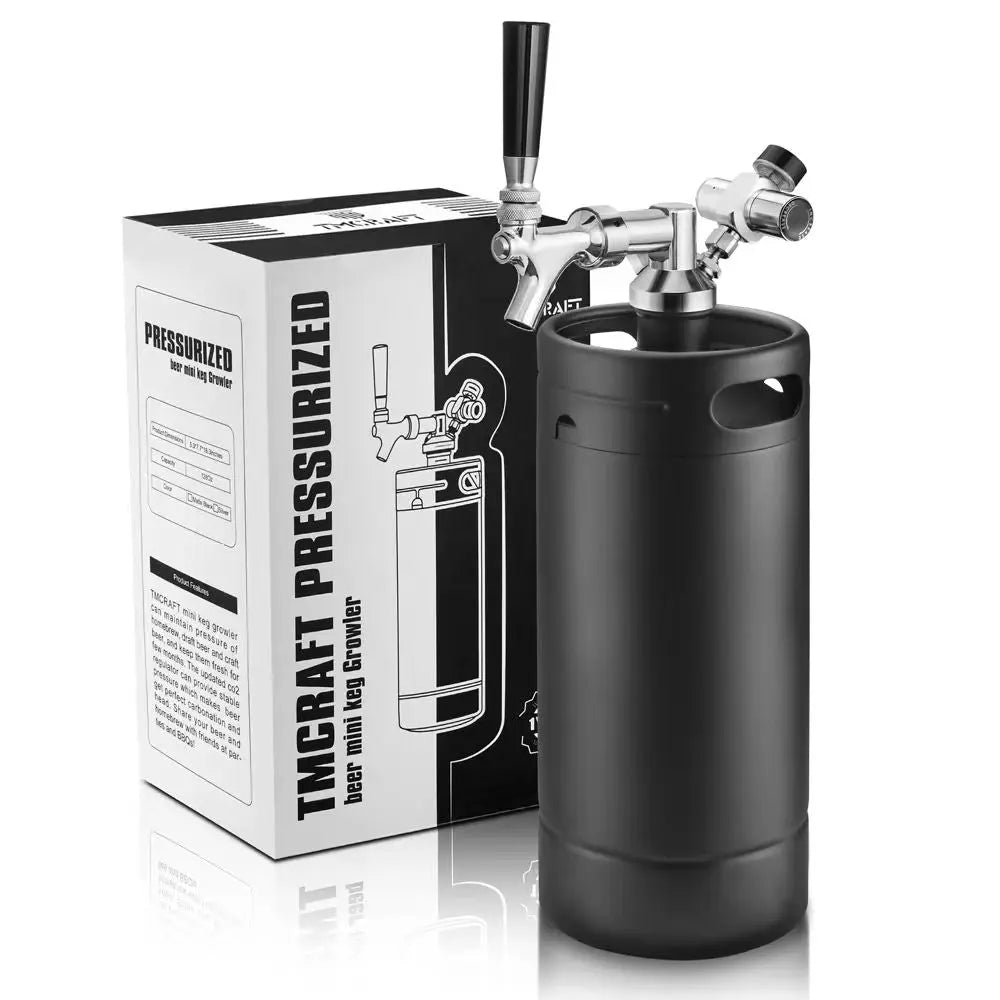


Why Coffee Keg Systems Are the Best Way to Store and Serve Cold Brew and Nitro Coffee
Primary SEO Keywords
coffee keg, coffee keg system, stainless steel coffee keg
Secondary SEO Keywords
cold brew keg, nitro coffee keg, pressurized coffee container, cold brew storage, nitro coffee system
Introduction: Brewing Great Coffee Is Only Half the Equation
Cold brew and nitro coffee have become staples in cafés, offices, and home kitchens—but many people overlook a critical factor in quality: storage and dispensing. Even perfectly brewed coffee can lose its character quickly if it is exposed to oxygen, unstable temperatures, or unsanitary containers.
This is where the coffee keg plays a central role. Rather than acting as a simple holding vessel, a coffee keg is a controlled system designed to protect flavor, manage pressure, and ensure consistent dispensing. Similar to how breweries rely on kegs to preserve beer quality, modern coffee professionals increasingly rely on coffee kegs to maintain cold brew and nitro coffee at peak condition.
This article explains what a coffee keg is, how coffee keg systems work, and why they have become the preferred solution for storing and serving cold brew and nitro coffee.
What Is a Coffee Keg?
A coffee keg is a sealed, pressure-rated stainless steel container designed specifically for storing and dispensing brewed coffee. While it shares similarities with beer kegs, a coffee keg is optimized for the chemical properties of coffee, particularly cold brew, which is lower in acidity and more sensitive to contamination.
Coffee kegs are widely used in:
- Specialty cafés
- Offices and shared workplaces
- Hotels and hospitality environments
- Home cold brew setups
Their primary purpose is to preserve freshness while enabling smooth, controlled dispensing.
Why Cold Brew Coffee Loses Quality Over Time
Understanding the advantages of a coffee keg system requires understanding how brewed coffee degrades.
Oxygen Exposure
Oxygen is the primary cause of flavor degradation in brewed coffee. Oxidation dulls aroma, increases bitterness, and flattens complexity. Open containers allow constant oxygen contact, accelerating this process.
Temperature Fluctuation
Cold brew is often removed from refrigeration during service and returned later. Repeated temperature changes destabilize flavor compounds and shorten shelf life.
Microbial Risk
Because cold brew is brewed at low temperatures, it is more susceptible to microbial growth if containers are not sealed and sanitized properly.
Coffee keg systems address all three challenges simultaneously.
How Coffee Keg Systems Work
A coffee keg operates as a closed-loop system.
- Brewed coffee is transferred into the keg
- The keg is sealed airtight
- Gas pressure is applied
- Coffee is dispensed through a tap
- Gas replaces liquid volume—not air
This process prevents oxygen from entering the keg during service, helping preserve flavor and freshness.
Cold Brew vs Nitro Coffee: Different Needs, Same System
Cold Brew Coffee
Cold brew benefits from:
- Oxygen-free storage
- Low, stable pressure
- Minimal agitation
A coffee keg allows cold brew to remain smooth and balanced for extended periods when refrigerated.
Nitro Coffee
Nitro coffee is infused with nitrogen gas to create a creamy mouthfeel and cascading visual effect. This requires:
- Nitrogen-compatible fittings
- Consistent internal pressure
- Smooth dispensing pathways
High-quality coffee kegs are designed to support both cold brew and nitro coffee without compromising performance.
Why Stainless Steel Is Essential for Coffee Kegs
Coffee contains oils that readily absorb into porous materials, leading to flavor carryover between batches.
Food-grade stainless steel provides:
- Neutral flavor retention
- Resistance to coffee oils and acids
- Easy cleaning and sanitation
- Long-term durability
TMCRAFT coffee kegs are constructed from high-grade stainless steel to ensure consistent flavor and long service life.
Coffee Kegs vs Bottles, Pitchers, and Growlers
| Feature | Coffee Keg | Bottles / Pitchers |
|---|---|---|
| Oxygen Control | Excellent | Poor |
| Pressure Capability | Yes | No |
| Nitro Compatibility | Yes | No |
| Sanitation Access | Full | Limited |
For any setting where coffee is stored longer than a few hours, the advantages of a coffee keg are significant.
Choosing the Right Coffee Keg Size
Small Coffee Kegs (64–128 oz)
Best for:
- Home use
- Small offices
- Frequent brewing cycles
Medium to Large Coffee Kegs (1–3 Gallons)
Best for:
- Cafés
- Events and catering
- Higher-volume service
Choosing the right size helps reduce waste and maintain freshness.
Gas Options for Coffee Keg Systems
Different gases affect texture and flavor differently.
Nitrogen (N₂)
- Creates a smooth, creamy mouthfeel
- Does not add acidity
- Ideal for nitro coffee
Nitrous Oxide (N₂O)
- Enhances perceived sweetness
- Common in portable systems
CO₂
- Suitable for cold brew storage
- Requires lower pressure than beer
TMCRAFT coffee kegs are compatible with non-threaded N₂ and N₂O cartridges, offering flexibility across setups.
Cleaning and Hygiene Best Practices
Coffee oils can build up quickly and affect taste if systems are neglected.
Recommended practices include:
- Rinsing immediately after emptying
- Using food-safe cleaning solutions
- Disassembling taps and seals regularly
- Allowing all components to fully dry
Dedicated cleaning kegs can further simplify maintenance.
Common Coffee Keg Mistakes
-
Leaving headspace unpressurized
Trapped air accelerates oxidation. -
Using excessive pressure
Can disrupt texture and flow. -
Infrequent deep cleaning
Leads to flavor carryover and hygiene issues.
Avoiding these mistakes ensures consistent results.
Coffee Kegs Beyond Cafés
Coffee kegs are increasingly used in:
- Office beverage programs
- Hotels and hospitality venues
- Mobile coffee carts
- Home kitchens
Their portability and reliability make them practical across many environments.
Why TMCRAFT Coffee Kegs Are Designed for Real-World Use
TMCRAFT coffee kegs are engineered with:
- Pressure-stable lids
- Durable food-grade seals
- Compatibility with nitrogen systems
- Sizes suitable for both home and professional users
This design approach supports consistent coffee quality in everyday use.
Final Thoughts: Is a Coffee Keg Worth It?
A coffee keg system protects brewed coffee from oxygen exposure, temperature instability, and contamination—three of the most common causes of quality loss. By creating a sealed, pressurized environment, coffee kegs preserve flavor clarity, texture, and freshness far better than traditional containers.
For anyone serious about cold brew or nitro coffee quality, a well-built coffee keg—such as those from TMCRAFT—offers long-term value, consistency, and professional-level results.
Link to: Why Coffee Kegs Are Changing Cold Brew Storage: Flavor, Freshness, and Control Explained