

Why Ball Lock Kegs Became the Industry Standard for Homebrewers (And Why They Still Dominate Today)
Few pieces of equipment have transformed homebrewing as dramatically as the ball lock keg.
Before kegging became popular, homebrewers relied almost entirely on bottling. While bottling remains a viable option, it requires significant time, effort, and storage space. As homebrewing grew in popularity throughout the 1980s and 1990s, brewers began searching for more efficient methods to package and serve beer.
The solution came from an unexpected source: the soft drink industry.
Today, the ball lock corny keg is considered the gold standard for homebrewers worldwide. From beginners building their first homebrew draft system to experienced brewers operating multi-tap kegerators, ball lock kegs continue to dominate the market.
But why did these kegs become so popular? And why do they remain the preferred choice despite decades of equipment innovation?
Let's explore the history, advantages, and lasting appeal of the modern corny keg system.
The Origins of the Corny Keg
The term "corny keg" comes from "Cornelius keg," named after the original manufacturer that produced these containers for the beverage industry.
Before soda was distributed through modern bag-in-box systems, restaurants received concentrated syrup in reusable stainless steel kegs.
These kegs were designed to:
- Hold pressure safely
- Maintain beverage quality
- Allow easy transport
- Support repeated cleaning and reuse
When soda companies eventually switched packaging methods, thousands of surplus kegs entered secondary markets.
Homebrewers quickly recognized their potential.
The result was a revolution in kegging homebrew.
Understanding What a Ball Lock Keg Is
A ball lock keg is a pressurized stainless steel container that stores and dispenses beverages.
Unlike commercial beer kegs, ball lock kegs feature removable lids and specialized quick-disconnect posts.
The primary components include:
Stainless Steel Body
Stores the beverage under pressure.
Gas Post
Allows CO2 to enter the keg.
Liquid Post
Dispenses beer through beverage lines.
Pressure Relief Valve
Provides safe pressure management.
Dip Tubes
Move gas and liquid throughout the keg.
Ball Lock Fittings
Quick-connect mechanisms that simplify assembly and cleaning.
These features collectively make the ball lock corny keg exceptionally practical for homebrewing applications.
Why Homebrewers Adopted Ball Lock Kegs So Quickly
Several factors contributed to the rapid adoption of ball lock kegs.
Easier Packaging Than Bottling
One of the most attractive benefits is simplicity.
Traditional bottling often requires:
- Cleaning dozens of bottles
- Sanitizing bottles
- Filling bottles individually
- Applying caps
- Long conditioning times
With a homebrew keg, brewers can package an entire batch into a single vessel.
This dramatically reduces labor.
Faster Carbonation
A major advantage of kegging beer at home is force carbonation.
Rather than waiting weeks for bottle conditioning, brewers can use CO2 to carbonate beer directly.
Benefits include:
- Faster turnaround
- More precise carbonation levels
- Consistent results
This alone convinced many brewers to abandon bottling entirely.
Better Beer Freshness
Every transfer introduces the possibility of oxygen exposure.
Oxygen can negatively impact:
- Aroma
- Flavor
- Shelf life
A sealed pressure keg system minimizes oxygen contact and helps preserve freshness.
Many brewers notice a significant improvement in beer stability after switching to kegging.
Why Ball Lock Kegs Outperformed Other Keg Types
While several keg styles exist, the ball lock keg became the dominant choice.
User-Friendly Connections
The defining feature of a ball lock system is its quick-disconnect mechanism.
Advantages include:
- Easy assembly
- Secure connections
- Fast maintenance
- Reliable sealing
The simplicity of ball lock fittings makes them particularly attractive to beginners.
Widely Available Replacement Parts
Because ball lock kegs became so popular, replacement components are easy to find.
Common replacement items include:
- O-rings
- Posts
- Pressure relief valves
- Disconnects
- Dip tubes
This availability helps extend equipment lifespan.
Standardized Compatibility
Most modern homebrewing equipment is designed around the corny keg system.
This includes:
- Kegerators
- Regulators
- Gas lines
- Beverage lines
- Faucets
Compatibility simplifies expansion and upgrades.
The Role of Ball Lock Kegs in Modern Homebrew Draft Systems
Today's homebrewers often build complete homebrew draft systems.
These systems typically include:
- Ball lock kegs
- CO2 tanks
- Regulators
- Draft faucets
- Refrigeration systems
The ball lock corny keg remains the foundation of these setups.
Its versatility allows brewers to scale from a single-tap refrigerator to a multi-keg keezer with ease.
Advantages of Ball Lock Kegs for Homebrew Carbonation
Carbonation is one of the most important elements of beer quality.
A homebrew keg allows brewers to:
Control Carbonation Levels
Different beer styles require different carbonation profiles.
Kegging allows precise adjustment.
Force Carbonate Quickly
Many beers can reach serving carbonation within days.
Maintain Consistency
Each batch can be carbonated according to exact specifications.
This level of control is difficult to achieve through bottle conditioning alone.
Maintenance Benefits of Ball Lock Kegs
Long-term ownership is another reason these kegs remain popular.
A quality stainless steel keg can provide years or even decades of service.
Routine maintenance typically involves:
- Cleaning
- Sanitizing
- O-ring replacement
- Occasional pressure testing
Compared to repeatedly purchasing bottles and caps, a well-maintained keg system offers exceptional value.
Why Stainless Steel Remains the Preferred Material
The success of the ball lock keg is also tied to its construction.
Food-grade stainless steel provides several advantages:
Durability
Resists dents, corrosion, and wear.
Flavor Neutrality
Does not absorb odors or flavors.
Easy Cleaning
Smooth surfaces simplify sanitation.
Long Service Life
Many kegs remain operational for decades.
These characteristics make stainless steel ideal for beverage storage.
Common Uses Beyond Beer
Although designed primarily for kegging homebrew, modern ball lock kegs are used for much more.
Applications include:
Cold Brew Coffee
Many coffee enthusiasts use keg systems for draft coffee service.
Kombucha
Carbonated fermented beverages perform well in keg systems.
Sparkling Water
Home carbonation systems frequently utilize ball lock kegs.
Cocktails
Pre-mixed beverages can be stored and served efficiently.
This versatility further contributes to their popularity.
Why Ball Lock Kegs Still Dominate Today
Despite advances in brewing technology, the ball lock keg continues to lead the market because it offers an ideal combination of:
- Reliability
- Simplicity
- Compatibility
- Serviceability
- Cost-effectiveness
New brewers appreciate their ease of use.
Experienced brewers value their long-term durability.
Few products have maintained such widespread industry acceptance for so many years.
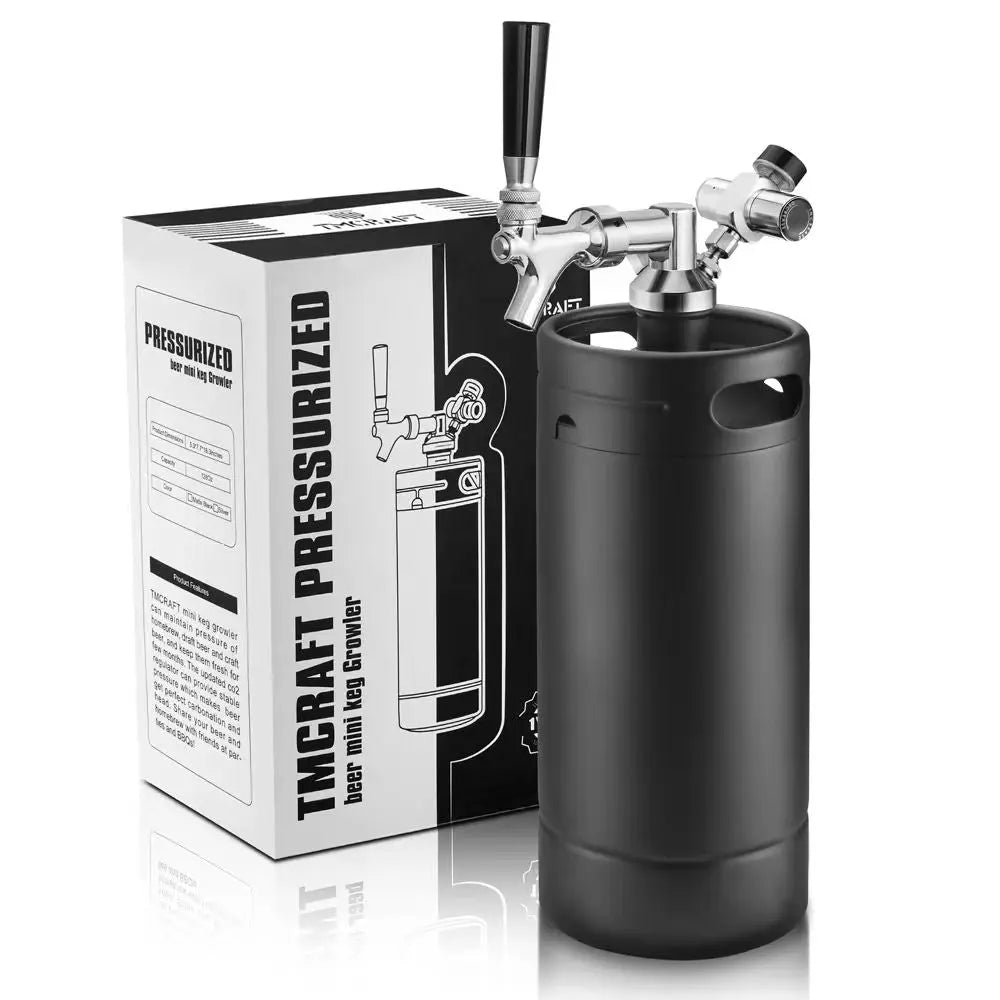
Why TMCRAFT Ball Lock Kegs Are Built for Modern Homebrewers
TMCRAFT ball lock kegs combine the proven advantages of traditional corny keg designs with modern manufacturing quality.
Key features include:
- Food-grade stainless steel construction
- Reliable pressure retention
- Durable sealing systems
- Easy cleaning and maintenance
- Standard ball lock compatibility
- Long-term durability
Whether you're building your first draft beer setup or upgrading an advanced homebrew draft system, TMCRAFT kegs provide dependable performance and flexibility.
Frequently Asked Questions
What is a ball lock keg?
A ball lock keg is a pressurized stainless steel beverage container that uses quick-disconnect fittings for gas and liquid connections.
Why is it called a corny keg?
The term comes from Cornelius, one of the original manufacturers of these beverage kegs.
Is a ball lock keg better than bottling?
Many homebrewers prefer kegging because it reduces labor, improves carbonation control, and simplifies serving.
How long do ball lock kegs last?
A quality stainless steel keg can last for many years with proper maintenance.
Can ball lock kegs be used for beverages other than beer?
Yes. They are commonly used for cold brew coffee, kombucha, sparkling water, and cocktails.
Conclusion
The ball lock keg earned its place as the industry standard through a combination of practicality, reliability, and exceptional performance. What began as a surplus soda industry product evolved into one of the most important tools in modern homebrewing.
From simplified packaging and faster carbonation to superior freshness and draft serving convenience, the benefits of kegging homebrew continue to attract brewers of every experience level.
Decades after their introduction to the homebrewing world, ball lock corny kegs remain the preferred solution for building efficient, reliable, and scalable draft systems. For brewers seeking long-term value and professional-quality results, TMCRAFT ball lock kegs provide the durability and performance needed to keep great beer flowing for years to come.
Link to: Ball Lock Keg Maintenance Checklist: How to Keep Your Keg System Performing Like New