

Ball Lock Keg Maintenance Checklist: How to Keep Your Keg System Performing Like New
For many homebrewers, purchasing a ball lock keg marks a major upgrade from bottling. Kegging simplifies packaging, improves carbonation control, and makes serving beer far more convenient. However, many brewers focus heavily on brewing techniques while overlooking one critical factor: proper keg maintenance.
Even the highest-quality stainless steel keg requires routine care. Neglecting maintenance can lead to leaks, poor carbonation, off-flavors, contamination, and unnecessary replacement costs.
The good news is that maintaining a ball lock keg is relatively simple when performed consistently. A structured maintenance routine helps ensure your homebrew keg system continues operating efficiently for years while protecting the quality of every batch.
This comprehensive keg cleaning guide provides a practical maintenance checklist that every homebrewer can follow.
Why Ball Lock Keg Maintenance Matters
A properly maintained keg system provides several important benefits.
Better Beer Quality
Clean equipment helps preserve:
- Flavor
- Aroma
- Carbonation
- Freshness
Even small amounts of residue can negatively affect future batches.
Longer Equipment Life
Routine maintenance reduces wear on critical components.
This extends the lifespan of:
- Kegs
- O-rings
- Disconnects
- Pressure relief valves
- Posts
Improved Carbonation Performance
A well-maintained homebrew keg system holds pressure more effectively and produces more consistent carbonation.
Reduced CO2 Waste
Leaks often result from neglected maintenance.
Preventing leaks helps conserve gas and reduce operating costs.
Understanding Ball Lock Keg Parts
Before creating a maintenance schedule, brewers should understand the major components of a ball lock corny keg.
The primary components include:
Keg Body
The stainless steel vessel that stores beer.
Lid Assembly
Creates the pressure seal.
Gas Post
Receives CO2 from the gas system.
Liquid Post
Allows beer to exit the keg.
Dip Tubes
Transport gas and beer within the keg.
Pressure Relief Valve
Allows safe pressure release.
O-Rings and Seals
Maintain airtight operation.
Each of these ball lock keg parts requires periodic inspection and maintenance.
Maintenance Checklist #1: Clean the Keg After Every Batch
The most important rule of corny keg maintenance is simple:
Never store a dirty keg.
After emptying a keg:
Immediately Rinse
Use warm water to remove:
- Yeast residue
- Hop particles
- Beer deposits
Disassemble Components
Remove:
- Lid
- Gas post
- Liquid post
- Dip tubes
This allows thorough cleaning of all internal surfaces.
Use Brewery-Safe Cleaners
Effective cleaners help remove:
- Protein buildup
- Organic residue
- Beer stone
Always follow manufacturer instructions.
Rinse Thoroughly
Residual cleaning chemicals can affect future batches.
Proper rinsing is essential.
Maintenance Checklist #2: Inspect O-Rings Regularly
O-rings are among the most common causes of keg problems.
Over time they can:
- Crack
- Dry out
- Stretch
- Wear down
Damaged keg O-rings often cause:
- Gas leaks
- Carbonation loss
- Pressure instability
Inspect all O-rings during every cleaning cycle.
Replace any that show visible wear.
Maintenance Checklist #3: Perform Routine Keg Leak Tests
Gas leaks are one of the most frustrating issues in a homebrew keg system.
A small leak can:
- Empty a CO2 tank
- Affect carbonation
- Waste money
How to Perform a Keg Leak Test
- Pressurize the keg.
- Disconnect the gas supply.
- Monitor pressure over time.
- Spray fittings with sanitizer solution.
- Look for bubble formation.
Regular keg leak testing helps identify problems before they become serious.
Maintenance Checklist #4: Clean Dip Tubes Thoroughly
Dip tubes often collect:
- Yeast deposits
- Hop residue
- Protein buildup
Many brewers overlook this step.
However, dirty dip tubes can:
- Restrict flow
- Cause off-flavors
- Harbor bacteria
Use appropriate brushes to clean the inside of each tube.
Maintenance Checklist #5: Inspect Posts and Threads
Gas and liquid posts experience repeated wear from disconnect attachment and removal.
During inspection:
Check for:
- Damaged threads
- Corrosion
- Cracks
- Deformation
Replacing worn posts early prevents larger system failures later.
Maintenance Checklist #6: Test the Pressure Relief Valve
The pressure relief valve is a critical safety component.
It should:
- Open smoothly
- Seal properly
- Release pressure when required
If the valve becomes sticky or damaged, replace it immediately.
Routine testing improves both safety and performance.
Maintenance Checklist #7: Sanitize Before Every Fill
Cleaning removes contamination.
Sanitizing eliminates microorganisms.
Before filling a keg:
Sanitize
All internal surfaces.
Sanitize
Posts and dip tubes.
Sanitize
The lid assembly.
Sanitize
Any transfer equipment.
This step protects beer quality and reduces infection risk.
Maintenance Checklist #8: Clean Beer Lines Regularly
A draft system is only as clean as its beer lines.
Even a spotless keg cannot compensate for dirty serving equipment.
Beer line cleaning should occur every few weeks depending on usage.
Benefits include:
- Better flavor
- Improved foam quality
- Reduced contamination risk
This remains one of the most overlooked areas of draft beer system maintenance.
Maintenance Checklist #9: Monitor Carbonation Performance
Changes in carbonation behavior often indicate maintenance issues.
Watch for:
Flat Beer
Potential causes:
- Leaks
- Faulty seals
- Gas delivery issues
Excessive Foam
Potential causes:
- Dirty lines
- Over-carbonation
- Pressure imbalance
Monitoring performance helps identify maintenance needs early.
Maintenance Checklist #10: Deep Clean Every Few Months
Routine cleaning is important, but periodic deep cleaning provides additional protection.
A deep cleaning schedule should include:
Complete Disassembly
Every component removed.
Detailed Inspection
Check for wear and damage.
Full Seal Evaluation
Replace aging O-rings.
Pressure Testing
Verify system integrity.
This comprehensive approach helps keep a ball lock corny keg operating like new.
Common Maintenance Mistakes Homebrewers Make
Waiting Too Long to Clean
Residue becomes harder to remove over time.
Ignoring Small Leaks
Minor leaks often become major issues.
Reusing Damaged O-Rings
Worn seals rarely improve with age.
Neglecting Beer Lines
Dirty lines can ruin otherwise excellent beer.
Skipping Sanitization
Even clean equipment must be sanitized before use.
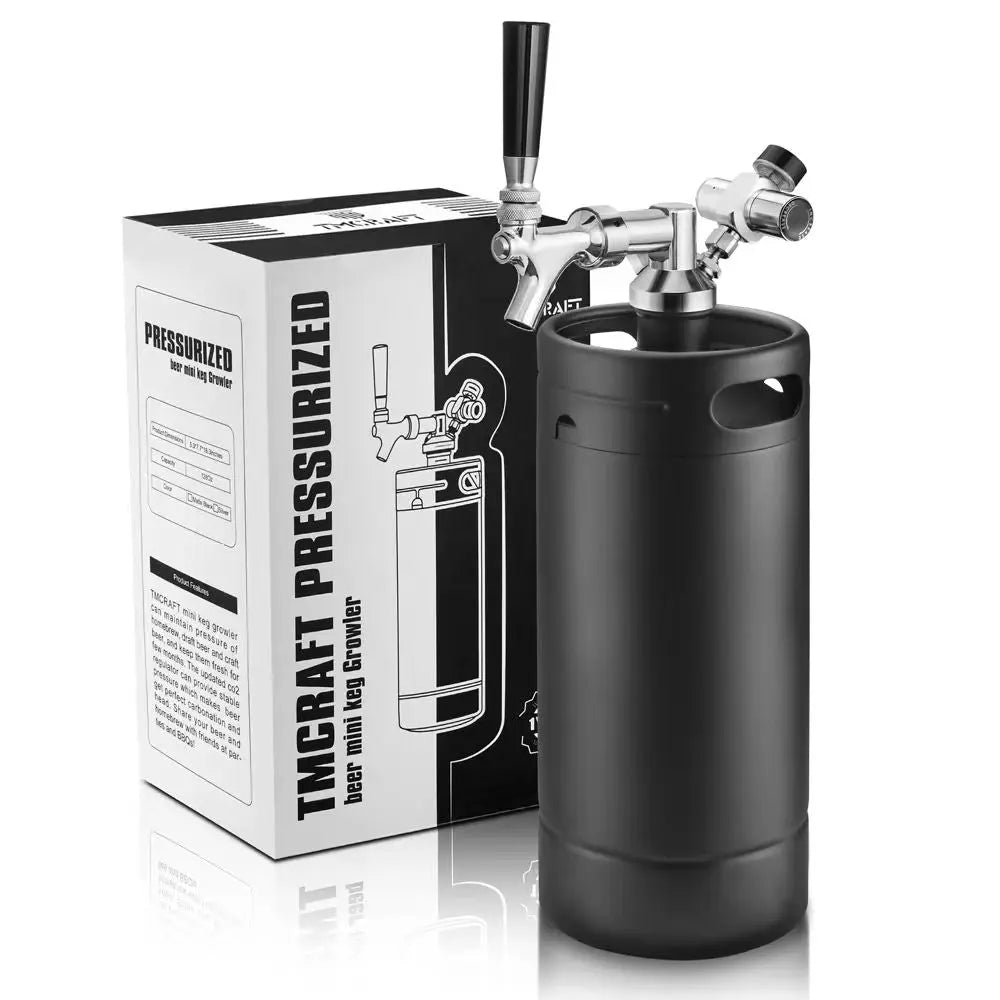
Why TMCRAFT Ball Lock Kegs Simplify Maintenance
TMCRAFT ball lock kegs are designed for long-term durability and easy upkeep.
Features include:
- Food-grade stainless steel construction
- Easy-to-remove components
- Durable sealing systems
- Standard replacement part compatibility
- Smooth interior surfaces
- Pressure-resistant design
These features make routine corny keg maintenance faster and more effective.
Whether you're new to kegging homebrew beer or managing multiple kegs, TMCRAFT products help simplify maintenance while protecting beer quality.
Frequently Asked Questions
How often should a ball lock keg be cleaned?
A ball lock keg should be cleaned after every batch to prevent residue buildup and contamination.
How often should O-rings be replaced?
Keg O-rings should be inspected during every cleaning and replaced whenever signs of wear appear.
Why does my keg keep losing pressure?
Common causes include worn seals, damaged posts, faulty pressure relief valves, or loose connections.
Do beer lines need regular cleaning?
Yes. Beer line cleaning is essential for maintaining flavor quality and draft system performance.
How long can a stainless steel keg last?
With proper maintenance, a high-quality stainless steel keg can provide many years of reliable service.
Conclusion
A ball lock keg is one of the most valuable pieces of equipment in any homebrew setup, but its performance depends heavily on routine care. By following a structured maintenance checklist, homebrewers can prevent leaks, preserve carbonation, improve beer quality, and extend equipment lifespan.
Regular cleaning, O-ring inspections, pressure testing, and draft system maintenance require only a small investment of time yet deliver significant long-term benefits.
For brewers seeking reliable performance batch after batch, TMCRAFT ball lock kegs provide durable construction, easy maintenance, and dependable operation that helps every homebrew keg system perform at its best.
Link to: How to Build a Reliable Home Draft System with Ball Lock Kegs: A Beginner-to-Pro Guide