

The Ultimate Ball Lock Keg Maintenance Schedule: Daily, Monthly, and Annual Care Tips
A ball lock keg is one of the most reliable tools in any homebrew or draft beer system, but its performance depends heavily on consistent maintenance. Even high-quality stainless steel equipment can develop issues like leaks, off-flavors, or pressure instability if it is not properly cared for.
Most homebrewers focus heavily on brewing and carbonation while overlooking long-term upkeep. In reality, a structured keg maintenance schedule is what keeps a ball lock keg performing like new for years.
This guide breaks down a practical, time-based system—daily, monthly, and annual care routines—to help you maintain a clean, efficient, and leak-free kegging setup.
Why Ball Lock Keg Maintenance Matters
A ball lock keg operates under pressure and handles sensitive fermented liquids. That combination means even small issues can escalate quickly.
Without proper corny keg maintenance, you may experience:
- CO₂ leaks and wasted gas
- Flat or inconsistent carbonation
- Contaminated beer flavors
- Sticky or clogged poppets
- Worn or cracked O-rings
- Poor dispensing performance
A consistent keg maintenance schedule prevents these problems before they start.
Daily Ball Lock Keg Maintenance (After Each Use or Pour Session)
Daily care is simple but extremely important for long-term performance.
1. Wipe Down Exterior Surfaces
After each use of your ball lock keg, wipe down:
- Body
- Handles
- Faucet connections
This prevents sticky residue buildup from spilled beer or cold brew.
2. Check for Immediate Leaks
Listen for hissing around:
- Gas post
- Liquid post
- Lid seal
Even small leaks in a ball lock keg can quickly drain CO₂ tanks.
3. Clean Faucet or Disconnect Area
If using a draft setup, rinse:
- Liquid disconnect
- Faucet tip
- Exposed tubing
This reduces buildup and prevents contamination in your homebrew keg system.
4. Store Under Proper Conditions
When not in use:
- Keep keg pressurized lightly if storing beer
- Store upright
- Avoid direct sunlight
- Keep in a cool environment
Proper storage protects both carbonation and seals.
Monthly Ball Lock Keg Maintenance (Deep Cleaning Cycle)
Monthly cleaning is where true corny keg maintenance happens.
1. Full Disassembly Cleaning
Break down your ball lock keg completely:
- Remove lid
- Take out dip tubes
- Remove posts
- Extract poppets and O-rings
This ensures all internal surfaces are accessible.
2. Deep Sanitation Wash
Use a brewery-safe cleaner to wash:
- Interior walls
- Dip tubes
- Lid underside
- Post assemblies
This step is critical for preventing flavor contamination in your keg maintenance schedule.
3. O-Ring Inspection
Inspect all seals carefully:
Look for:
- Flattening
- Cracks
- Dryness
- Elasticity loss
Replace damaged O-rings immediately to prevent future leaks.
4. Pressure Relief Valve Test
Check that the PRV:
- Opens smoothly
- Seals properly afterward
- Does not stick
A faulty valve can compromise your entire ball lock keg system.
5. Lubrication (If Applicable)
Apply food-safe lubricant to:
- Lid O-ring
- Post seals
This improves sealing performance and extends component life.
Annual Ball Lock Keg Maintenance (System Overhaul)
Once per year, perform a full inspection and replacement cycle.
1. Full System Evaluation
Assess the entire ball lock keg:
- Structural condition
- Internal corrosion (rare but possible)
- Thread wear on posts
- Handle integrity
Even stainless steel systems benefit from annual review.
2. Replace All O-Rings
Even if they look fine, yearly replacement ensures:
- Leak prevention
- Consistent sealing
- Better CO₂ retention
This is a key step in professional-level corny keg maintenance.
3. Deep Clean Gas and Liquid Lines
If part of a draft system:
- Flush beverage lines
- Clean gas lines if contamination suspected
- Replace tubing if discolored or stiff
4. Regulator Inspection
Check your CO₂ regulator for:
- Pressure accuracy
- Needle stability
- Seal integrity
A faulty regulator can damage your entire homebrew keg system.
5. Full Pressure Test
Pressurize the keg and check:
- Lid seal
- Posts
- Poppets
- Disconnect fittings
This ensures the ball lock keg maintenance schedule is working effectively.
Common Ball Lock Keg Problems and Causes
CO₂ Leaks
Usually caused by:
- Worn O-rings
- Loose posts
- Dirty seals
Flat Beer
Often due to:
- Pressure loss
- Improper sealing
- Over-releasing CO₂
Foamy Pours
Common causes:
- Dirty lines
- Incorrect pressure balance
- Temperature mismatch
Sticky Poppets
Caused by:
- Sugar residue
- Lack of cleaning
- Long-term neglect
Why Stainless Steel Ball Lock Kegs Last Longer
A high-quality ball lock keg made from stainless steel offers:
- Corrosion resistance
- Flavor neutrality
- Pressure durability
- Long service life
- Easy sanitation
This is why stainless steel remains the standard for both homebrew and commercial draft systems.
Pro Tips for Better Keg Performance
- Always sanitize before filling
- Keep beer cold after carbonation
- Avoid oxygen exposure during transfers
- Label kegs by brew date
- Rotate stock regularly
- Keep spare O-rings on hand
These habits improve your overall keg maintenance schedule efficiency.
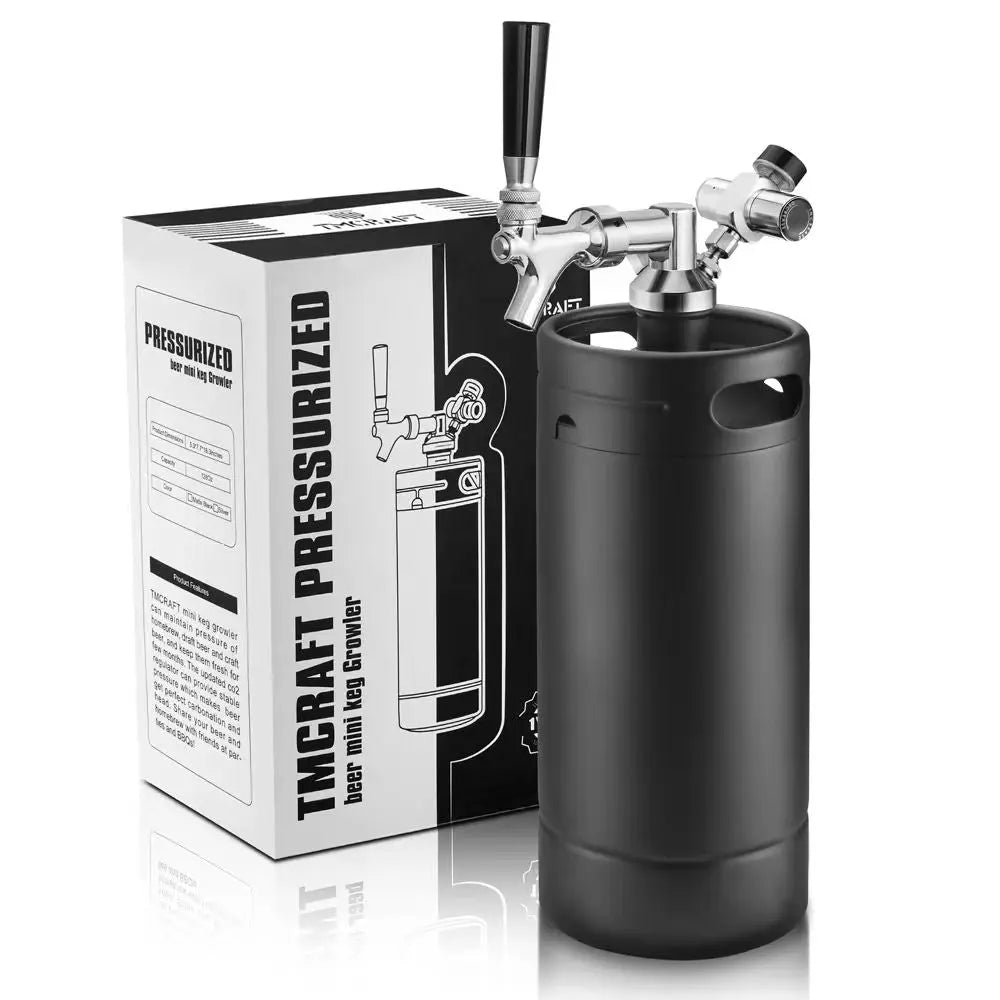
Why TMCRAFT Ball Lock Kegs Are Easy to Maintain
TMCRAFT designs its kegs for long-term reliability and simple upkeep.
Key features include:
- Food-grade 304 stainless steel construction
- Smooth interior for easy cleaning
- Standard ball lock compatibility
- Durable pressure-rated design
- Replaceable seals and fittings
- Easy-disassembly components
These features make corny keg maintenance faster and more efficient for both beginners and experienced brewers.
FAQ
How often should I clean a ball lock keg?
A ball lock keg should be thoroughly cleaned after every batch, with deep maintenance performed monthly or between uses.
What is included in a keg maintenance schedule?
A proper keg maintenance schedule includes daily inspection, monthly deep cleaning, and annual full system servicing.
How do I stop my corny keg from leaking?
Regular corny keg maintenance, including replacing O-rings and checking seals, is the most effective way to prevent leaks.
Can I reuse O-rings?
Yes, but replacing them regularly is recommended to maintain optimal performance in a ball lock keg system.
Is stainless steel maintenance-heavy?
No. Stainless steel is low-maintenance, but routine cleaning is still essential.
Conclusion
A reliable draft system depends on more than just quality brewing—it requires disciplined upkeep. Following a structured keg maintenance schedule ensures your ball lock keg performs consistently, maintains pressure, and delivers clean, fresh beer every time.
By combining daily inspections, monthly deep cleaning, and annual system overhauls, you can significantly extend the life of your equipment and avoid common issues like leaks and contamination.
TMCRAFT stainless steel kegs are engineered for durability and ease of maintenance, making long-term corny keg maintenance straightforward for homebrewers at every level. With the right care routine, your keg system will continue delivering professional-quality draft beer for years to come.
Link to: How to Choose the Right Ball Lock Keg Size for Every Homebrewing Batch