

How to Choose the Right Ball Lock Keg Size for Every Homebrewing Batch
Choosing the right ball lock keg is about more than simply picking the largest container available. The correct ball lock keg size affects storage space, serving convenience, portability, carbonation management, and even the flexibility of your brewing schedule.
Many new homebrewers automatically purchase a standard 5-gallon keg because it matches a typical homebrew batch. While that's often a great choice, it's not always the best solution for every brewer.
Today's homebrew keg system offers several keg sizes designed for different brewing habits and lifestyles. Whether you're experimenting with one-gallon recipes, brewing seasonal beers, or serving at outdoor events, selecting the right keg capacity can improve both brewing efficiency and the overall draft experience.
This guide explains the most common keg sizes, their ideal applications, and how to decide which ball lock keg best fits your brewing goals.
Why Ball Lock Keg Size Matters
Every brewer has different priorities.
Some brew large batches every month.
Others enjoy experimenting with small test recipes.
Some have a dedicated kegerator, while others transport beer to camping trips or family gatherings.
The right ball lock keg size should match:
- Batch volume
- Available refrigerator space
- Serving frequency
- Portability needs
- Storage capacity
- Future brewing plans
Choosing correctly makes kegging beer easier and more enjoyable.
Common Ball Lock Keg Sizes
Modern corny keg systems are available in several capacities.
Each serves a different purpose.
1 Gallon Ball Lock Keg
Best for:
- Small experimental batches
- Recipe testing
- Specialty beers
- Limited refrigerator space
Advantages:
- Lightweight
- Easy to transport
- Quick to clean
- Minimal storage requirements
Potential limitation:
Requires more frequent refilling.
2.5 Gallon Ball Lock Keg
The 2.5 gallon ball lock keg has become increasingly popular among homebrewers.
Ideal for:
- Half-batch brewing
- Seasonal beers
- Limited kegerator space
- Multiple beer varieties
Benefits include:
- Easier handling
- Better variety
- Faster rotation
- Reduced waste
Many brewers prefer keeping two 2.5-gallon kegs instead of one larger keg.
3 Gallon Ball Lock Keg
This size provides an excellent balance between portability and capacity.
Suitable for:
- Small households
- Weekend entertaining
- Pilot batches
- Specialty brews
It also fits many compact refrigeration setups.
5 Gallon Corny Keg
The 5 gallon corny keg remains the industry standard.
Why?
Most homebrew recipes produce approximately five gallons of finished beer.
Advantages include:
- Perfect batch compatibility
- Fewer transfers
- Efficient carbonation
- Excellent serving capacity
For many brewers, this remains the best all-around ball lock keg.
Matching Keg Size to Your Brewing Style
Instead of asking, "What's the biggest keg?"
Ask:
"What size matches the way I brew?"
Small-Batch Brewers
Recommended:
- 1 gallon
- 2.5 gallon
These sizes reduce waste and encourage experimentation.
Regular Homebrewers
Recommended:
- 5 gallon corny keg
This size aligns with traditional recipe volumes.
Variety Lovers
If you enjoy serving multiple beers simultaneously:
Choose several smaller kegs instead of one large unit.
Advantages include:
- More beer styles
- Easier rotation
- Seasonal flexibility
Outdoor Entertainers
Portable setups benefit from:
- 2.5 gallon
- 3 gallon
Smaller kegs are easier to transport to:
- Camping trips
- Tailgates
- BBQs
- Beach outings
Consider Your Refrigerator or Kegerator Space
Before purchasing any stainless steel keg, measure your available storage.
Consider:
- Interior height
- Width
- CO₂ tank placement
- Beverage line routing
- Number of taps
Many brewers discover that several smaller kegs maximize available space more effectively than one oversized container.
Carbonation Is the Same Across Sizes
One common misconception is that larger kegs carbonate better.
In reality, ball lock keg size has very little impact on carbonation quality.
Proper carbonation depends on:
- Temperature
- CO₂ pressure
- Time
- Beer style
Whether using a 2.5-gallon or a 5-gallon corny keg, the carbonation process follows the same principles.
Cleaning Considerations
Maintenance is an important part of every homebrew equipment setup.
Smaller kegs offer:
- Faster cleaning
- Less cleaning solution
- Easier lifting
- Simpler handling
Larger kegs reduce the number of containers that require cleaning after each brew.
Choose the option that best fits your brewing routine.
Cost vs Long-Term Value
Larger kegs generally provide lower storage cost per gallon.
However, purchasing several smaller kegs may offer greater flexibility.
Ask yourself:
- Do I brew one beer or several?
- How often do I entertain?
- Do I transport beer?
- Will I expand my draft system?
Thinking ahead often leads to a better investment.
Why Stainless Steel Is the Preferred Material
Regardless of size, most brewers choose a stainless steel keg because it offers:
- Excellent durability
- Corrosion resistance
- Flavor neutrality
- Light protection
- Long service life
- Easy sanitation
These characteristics help maintain beer quality throughout storage and serving.
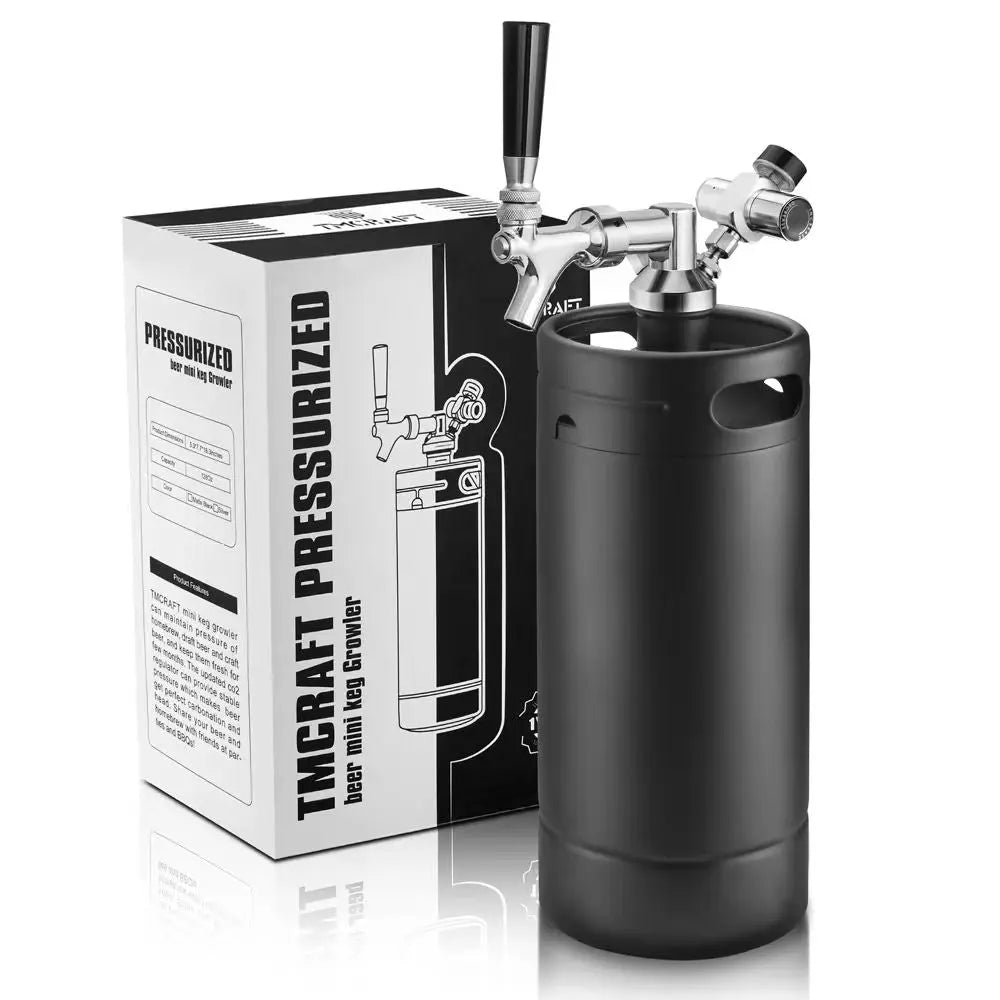
Why TMCRAFT Ball Lock Kegs Fit Every Brewing Style
TMCRAFT offers multiple ball lock keg sizes to support brewers at every experience level.
Features include:
- Food-grade 304 stainless steel construction
- Standard ball lock compatibility
- Pressure-resistant design
- Easy-clean interior
- Reliable sealing system
- Multiple capacity options
- Homebrew and commercial compatibility
Whether you're brewing one gallon or five gallons, TMCRAFT provides dependable kegging solutions designed for long-term performance.
Frequently Asked Questions
What is the most popular ball lock keg size?
The 5 gallon corny keg is the most common because it matches the standard homebrew batch size.
Is a 2.5 gallon ball lock keg worth buying?
Yes. A 2.5 gallon ball lock keg is ideal for small batches, seasonal beers, and brewers who enjoy multiple beer styles on tap.
Can different keg sizes use the same CO₂ system?
Yes. Most ball lock keg sizes use the same standard ball lock connections and regulators.
Which keg size is best for beginners?
Most beginners start with a 5-gallon keg, while small-batch brewers may prefer a 2.5-gallon option.
Does keg size affect beer quality?
No. Beer quality depends on brewing practices, sanitation, carbonation, and storage—not the keg size itself.
Conclusion
Selecting the right ball lock keg size is one of the smartest decisions a homebrewer can make. Instead of focusing only on capacity, consider how you brew, where you store your equipment, and how you plan to serve your beer.
A compact keg may be perfect for experimentation and travel, while a full-size 5 gallon corny keg is ideal for standard homebrew batches. Many brewers eventually discover that combining different keg sizes offers the greatest flexibility.
TMCRAFT's range of premium ball lock kegs is designed to meet the needs of beginners, experienced homebrewers, and draft beer enthusiasts alike. With durable stainless steel construction, reliable sealing, and multiple capacity options, TMCRAFT helps you build a kegging system that grows with your brewing journey and delivers consistently fresh draft beer every time.
Link to: The Ball Lock Keg Setup Checklist Every Homebrewer Should Follow Before the First Pour