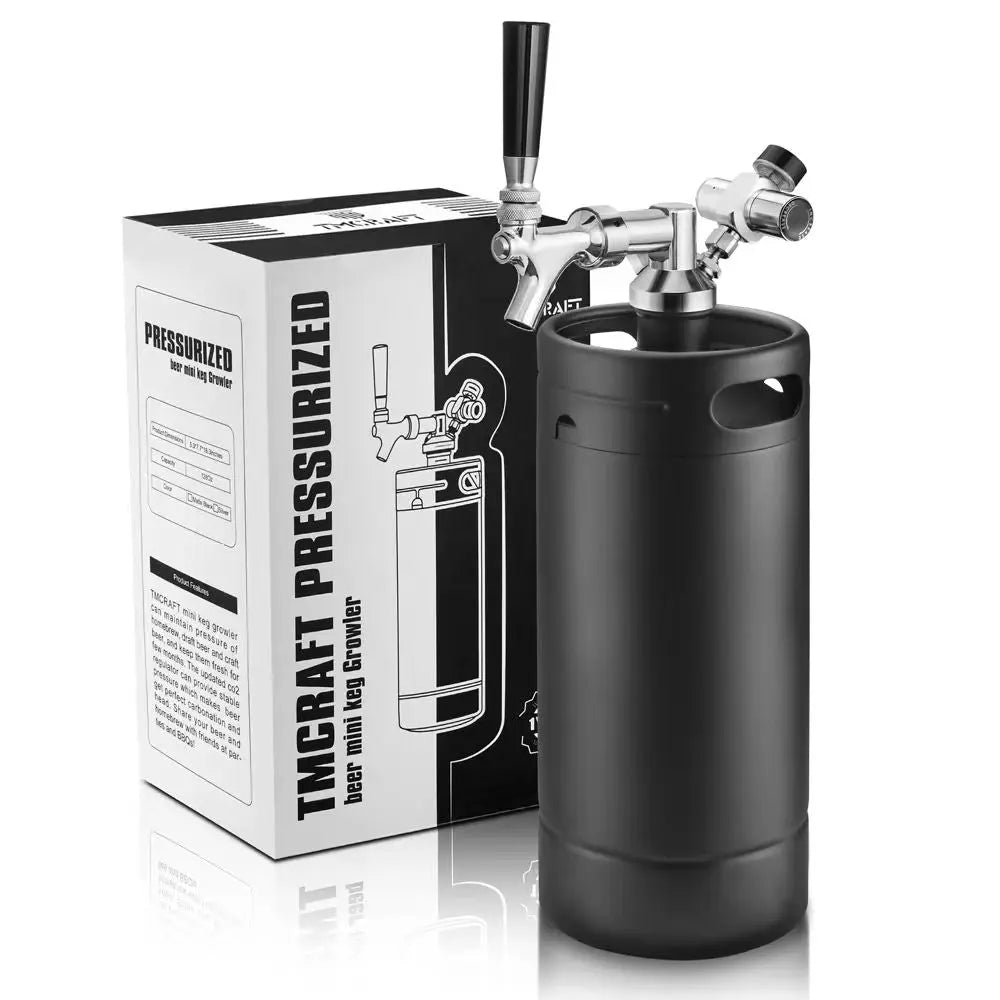


The Modern Mini Keg Guide: How Compact Keg Systems Deliver Draft-Quality Beer Anywhere
Primary SEO Keywords Used
mini keg, mini keg system, stainless steel mini keg, portable keg, home draft beer system
Secondary SEO Keywords
growler alternative, small keg system, pressurized beer container, home brewing keg, draft beer at home
Introduction: Why Mini Kegs Are Redefining Portable Draft Beer
Craft beer drinkers are no longer satisfied with warm cans, oxidized growlers, or bulky full-size kegerators. The rise of the mini keg system reflects a broader shift in how people consume beer, cold brew coffee, and sparkling beverages: fresh, pressurized, and on demand—anywhere.
Unlike traditional containers, a mini keg is not just a storage vessel. It is a compact draft system that preserves carbonation, aroma, and flavor from the first pour to the last. For home brewers, outdoor enthusiasts, and casual drinkers alike, mini kegs bridge the gap between convenience and professional-quality dispensing.
In this guide, we’ll break down how mini kegs work, why they outperform growlers and bottles, and what to look for when choosing a high-quality mini keg system for long-term use.
What Is a Mini Keg?
A mini keg is a small-capacity stainless steel keg—typically ranging from 64 oz to 128 oz (1.9–3.8 liters)—designed to hold and dispense pressurized beverages. Unlike disposable mini kegs or basic growlers, modern mini kegs integrate:
- Pressure-rated stainless steel construction
- CO₂ or mixed-gas compatibility
- Airtight sealing systems
- Tap or faucet dispensing options
This combination allows beverages to remain fresh, carbonated, and protected from oxygen exposure.
Mini Keg vs Growler: A Critical Difference
Growlers rely on atmospheric pressure. Every time you open one, oxygen enters, accelerating oxidation. A mini keg, by contrast, maintains positive internal pressure, meaning the beverage is always protected from air intrusion.
From an engineering standpoint, this is the single most important factor in flavor preservation.
How Mini Keg Systems Work
At its core, a mini keg functions like a scaled-down commercial keg.
Key Components
-
Stainless Steel Body
Food-grade stainless steel prevents flavor transfer, resists corrosion, and withstands internal pressure safely. -
Sealed Lid Assembly
The lid contains O-rings that create an airtight environment, critical for carbonation retention. -
Gas Input (CO₂ or N₂)
A regulated gas source maintains consistent pressure, ensuring smooth pours and stable carbonation. -
Dispensing Tap
Beer exits the keg under pressure, preventing foaming and oxidation.
TMCRAFT mini kegs are engineered to balance pressure stability with portability, making them suitable for both beginners and experienced users.
Why Mini Kegs Keep Beer Fresher Longer
Freshness loss in beer is driven by three factors: oxygen, temperature fluctuation, and pressure loss. Mini kegs directly address all three.
1. Oxygen Control
A pressurized mini keg replaces displaced liquid with CO₂, not air. This prevents oxidation, which causes:
- Flat flavor
- Muted hop aroma
- Paper-like off-notes
2. Pressure Stability
Carbonation is governed by Henry’s Law: gas stays dissolved under pressure. Mini kegs maintain that pressure, unlike bottles opened repeatedly or growlers resealed by hand.
3. Thermal Performance
Double-walled mini kegs offer improved insulation, slowing temperature changes and protecting volatile flavor compounds.
As a result, beer stored in a mini keg can remain fresh for weeks—sometimes longer—when properly pressurized and refrigerated.
Mini Kegs for Different Use Cases
Home Draft Beer Without a Kegerator
For apartments or small homes, a full kegerator is impractical. A mini keg system fits easily in standard refrigerators while delivering true draft beer quality.
Outdoor and Travel Use
Mini kegs are ideal for:
- Camping
- Tailgating
- Beach outings
- Backyard gatherings
Their stainless steel construction is more durable than glass, and compact sizes make transport easy.
Home Brewing and Small Batch Testing
Home brewers use mini kegs to:
- Store finished beer
- Carbonate precisely
- Serve test batches without committing to large kegs
This flexibility makes mini kegs a valuable tool for recipe development.
Choosing the Right Mini Keg Size
64 oz Mini Keg
Best for:
- Solo drinkers
- Small tastings
- Limited fridge space
128 oz Mini Keg
Best for:
- Small gatherings
- Weekend consumption
- Shared use
TMCRAFT’s 128 oz mini kegs use double-walled insulation, enhancing temperature and pressure retention compared to single-wall designs.
CO₂ Compatibility: Why It Matters
Not all mini kegs handle gas input the same way. High-quality systems allow:
- Standard CO₂ cartridges
- External CO₂ tanks
- Controlled pressure regulation
This flexibility ensures consistent carbonation regardless of beverage type.
Poorly designed mini kegs often suffer from pressure spikes or leaks, leading to excessive foam or flat pours.
Cleaning and Maintenance
Sanitation is critical for flavor stability.
Best Practices
- Rinse immediately after use
- Use brewery-grade cleaning solutions
- Disassemble taps and seals periodically
- Air-dry fully before storage
TMCRAFT offers dedicated cleaning keg solutions that simplify this process, extending the life of both the keg and its seals.
Common Mini Keg Mistakes (and How to Avoid Them)
-
Over-pressurizing
Causes foaming and stresses seals. -
Ignoring Temperature
Warm beer foams regardless of pressure. -
Infrequent Seal Inspection
Worn O-rings lead to slow leaks and flat beer.
Understanding these factors dramatically improves user experience.
Why Stainless Steel Quality Matters
Not all stainless steel is equal. Food-grade stainless steel ensures:
- No metallic taste
- No chemical leaching
- Long-term durability
TMCRAFT mini kegs are manufactured using high-grade stainless steel designed for repeated pressurization cycles.
Mini Kegs Beyond Beer
Mini kegs are increasingly used for:
- Cold brew coffee
- Nitro coffee
- Kombucha
- Sparkling water
Their versatility makes them a multi-beverage solution rather than a single-use product.
Final Thoughts: Are Mini Kegs Worth It?
For anyone who values freshness, flavor, and flexibility, a mini keg system is a meaningful upgrade from bottles and growlers. By maintaining pressure, eliminating oxygen exposure, and offering true draft-style dispensing, mini kegs deliver a professional experience in a compact format.
Whether you’re a home brewer, a craft beer enthusiast, or simply someone who wants better drinks at home, a well-designed mini keg—like those from TMCRAFT—offers long-term value, consistency, and convenience.
Link to: Small-Batch Draft Beer Done Right: How Mini Kegs Change the Way Homebrewers Serve Beer