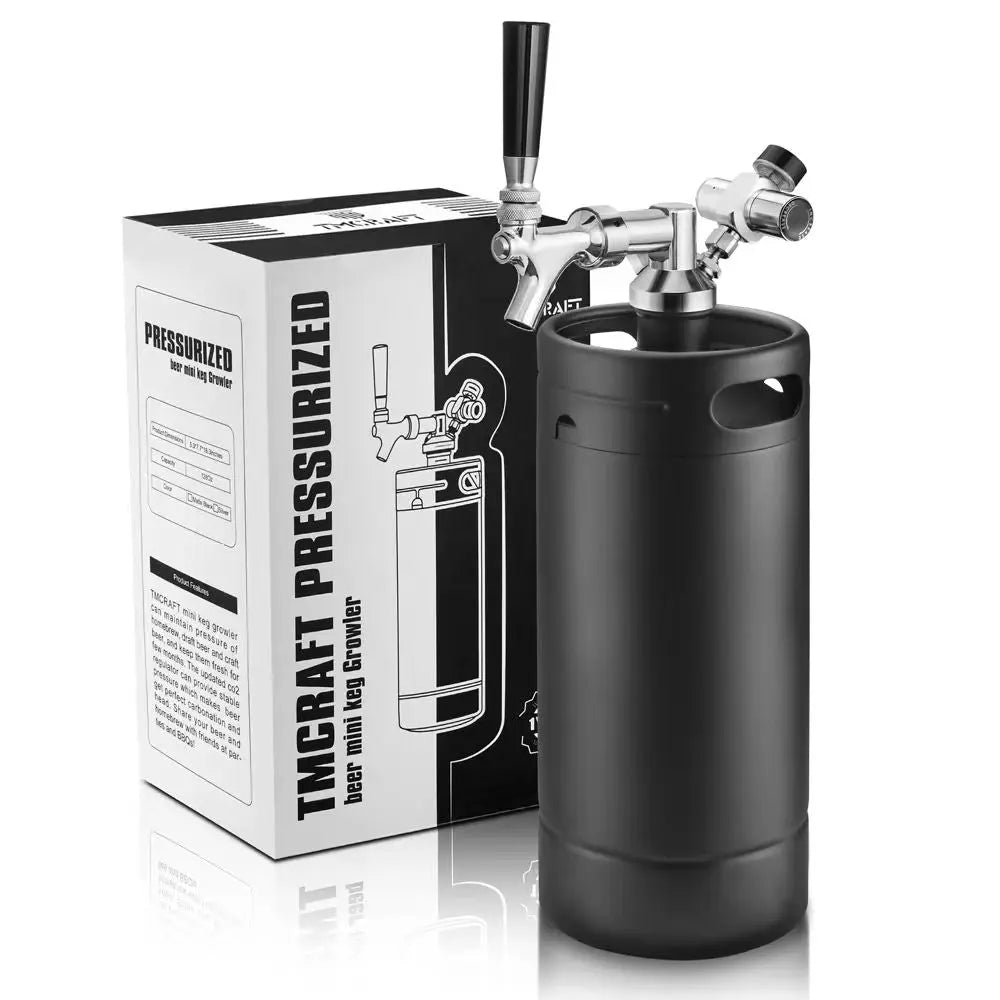


The Complete Cold Brew Coffee Workflow: From Brewing to Serving with a Coffee Keg
Cold brew coffee has become one of the fastest-growing segments of the specialty coffee industry. Consumers love its smooth taste, lower acidity, and refreshing character. What was once a niche café offering is now a staple in homes, offices, restaurants, and coffee shops around the world.
However, making great cold brew involves much more than simply soaking coffee grounds in water.
To consistently produce high-quality cold brew, coffee enthusiasts must understand the complete workflow—from selecting beans and brewing properly to filtration, storage, and dispensing. Each step affects flavor, freshness, and the overall drinking experience.
A modern coffee keg helps streamline many of these stages by improving storage, reducing oxidation, and enabling professional-style serving.
This guide explores the entire cold brew coffee workflow and explains how a coffee keg system can help create better coffee from start to finish.
Why Cold Brew Requires a Different Workflow
Unlike traditional hot coffee, cold brew relies on time rather than heat for extraction.
This process creates several unique characteristics:
- Lower acidity
- Reduced bitterness
- Enhanced sweetness
- Smoother mouthfeel
- Different aroma profile
Because extraction occurs slowly, each stage of production becomes important for preserving quality.
A well-designed cold brew coffee system focuses on consistency at every step.
Step 1: Selecting the Right Coffee Beans
The workflow begins long before brewing.
Coffee bean selection influences:
- Flavor profile
- Sweetness
- Acidity
- Body
- Aroma
Many cold brew enthusiasts prefer:
Medium Roasts
Offer balanced sweetness and complexity.
Medium-Dark Roasts
Provide chocolate and caramel notes.
Single-Origin Coffees
Highlight unique regional flavors.
Specialty Blends
Create consistency and balance.
The best choice depends on personal preference and intended serving style.
Step 2: Grinding for Cold Brew
Grind size has a significant impact on extraction.
For most cold brew recipes, a coarse grind is recommended.
Benefits include:
- Reduced bitterness
- Easier filtration
- Improved clarity
- More consistent extraction
Fine grinds can lead to:
- Excess sediment
- Over-extraction
- Cloudy coffee
Maintaining a consistent grind size is one of the easiest ways to improve cold brew quality.
Step 3: Determining the Coffee-to-Water Ratio
One of the most important variables in the cold brew coffee workflow is brew ratio.
Common approaches include:
Ready-to-Drink Cold Brew
Approximately 1:8 to 1:10 coffee-to-water ratio.
Cold Brew Concentrate
Approximately 1:4 to 1:5 coffee-to-water ratio.
Concentrates provide flexibility because they can be diluted before serving.
Many cafés use concentrate systems to streamline production.
Step 4: The Brewing Process
Cold brew extraction typically occurs over 12 to 24 hours.
Key variables include:
Time
Longer extraction increases strength and body.
Temperature
Most cold brew is prepared at room temperature or refrigerated temperatures.
Agitation
Some brewers gently stir during extraction.
The goal is to create balanced extraction without introducing harsh flavors.
Patience is essential.
Step 5: Filtration and Clarification
After brewing, coffee grounds must be removed.
Proper filtration improves:
- Clarity
- Texture
- Flavor consistency
- Shelf life
Common filtration methods include:
Mesh Filters
Quick and reusable.
Paper Filters
Provide excellent clarity.
Commercial Filtration Systems
Ideal for large-scale production.
A clean brew creates a more professional final product.
Step 6: Cold Brew Storage
Storage is often overlooked but plays a major role in maintaining freshness.
Common storage challenges include:
- Oxygen exposure
- Flavor degradation
- Aroma loss
- Temperature fluctuations
Many people use:
- Glass jars
- Plastic pitchers
- Bottles
While functional, these containers often expose coffee to air during repeated use.
This is where a stainless steel coffee keg provides significant advantages.
Why a Coffee Keg Improves Cold Brew Storage
A coffee keg creates a sealed environment that protects coffee from excessive oxygen exposure.
Benefits include:
Better Freshness Retention
Helps preserve flavor compounds.
Reduced Oxidation
Maintains consistency over time.
Convenient Dispensing
Eliminates repeated opening and pouring.
Professional Presentation
Creates a true coffee-on-tap experience.
For many enthusiasts, upgrading storage is one of the most impactful improvements they can make.
Step 7: Creating a Coffee on Tap Experience
One of the most exciting developments in specialty coffee is coffee on tap.
Instead of pouring from containers, users dispense coffee directly from a faucet.
Advantages include:
- Faster serving
- Cleaner workflow
- Improved consistency
- Enhanced customer experience
Both home users and commercial operators increasingly adopt draft coffee systems.
Step 8: Upgrading to Nitro Coffee
Many coffee enthusiasts eventually transition to a nitro coffee keg setup.
Nitrogen infusion transforms the drinking experience.
Nitro coffee delivers:
- Creamy texture
- Dense microfoam
- Velvety mouthfeel
- Cascading visual effect
The result is a premium beverage that feels luxurious without requiring dairy products.
How a Nitrogen Coffee Dispenser Works
A nitrogen coffee dispenser uses nitrogen gas to push coffee through a specialized faucet.
Unlike CO2:
- Nitrogen creates minimal carbonation
- Coffee remains smooth
- Texture becomes richer
- Visual appeal increases
This technology has helped drive the popularity of nitro cold brew coffee worldwide.
Step 9: Serving and Enjoying Cold Brew
Serving practices affect the final experience.
Popular serving methods include:
Straight Cold Brew
Served chilled without additives.
Diluted Concentrate
Mixed with water before serving.
Milk-Based Beverages
Combined with dairy or alternatives.
Nitro Cold Brew Coffee
Served directly from a nitro system.
Each approach offers a different flavor profile and customer experience.
Common Workflow Mistakes to Avoid
Even experienced brewers can encounter challenges.
Common mistakes include:
Using Incorrect Grind Size
Leads to poor extraction.
Over-Brewing
Creates bitterness and excessive strength.
Poor Filtration
Results in sediment and cloudiness.
Improper Storage
Accelerates flavor degradation.
Frequent Air Exposure
Reduces freshness.
A properly designed coffee keg system helps solve many storage and dispensing issues.
Why Portable Coffee Kegs Are Becoming Popular
The growth of mobile coffee service has increased demand for portable coffee kegs.
These systems are ideal for:
- Farmers markets
- Catering events
- Mobile coffee carts
- Outdoor festivals
- Office coffee service
Portability allows operators to deliver draft coffee experiences in virtually any location.
Why TMCRAFT Coffee Kegs Support the Entire Workflow
TMCRAFT coffee kegs are designed to enhance every stage of cold brew storage and serving.
Key features include:
- Food-grade stainless steel construction
- Compatibility with non-threaded N2 and N2O cartridges
- Reliable pressure retention
- Portable design
- Easy cleaning and maintenance
- Smooth dispensing performance
Whether you're a home coffee enthusiast or commercial operator, TMCRAFT products help simplify the transition from brewing to serving.
Frequently Asked Questions
What is the ideal cold brew brewing time?
Most cold brew recipes require between 12 and 24 hours of extraction.
Why use a coffee keg instead of a pitcher?
A coffee keg improves freshness, reduces oxidation, and provides easier dispensing.
Can a coffee keg be used for nitro coffee?
Yes. A nitro coffee keg supports nitrogen infusion for creamy nitro cold brew.
How long does cold brew stay fresh in a keg?
Properly stored cold brew typically maintains freshness longer in a sealed keg than in repeatedly opened containers.
Is a stainless steel coffee keg worth it?
A stainless steel coffee keg offers superior durability, flavor protection, and long-term value compared to many traditional storage containers.
Conclusion
Producing exceptional cold brew involves far more than simply steeping coffee grounds in water. Every stage—from bean selection and grinding to filtration, storage, and dispensing—contributes to the final cup.
A modern coffee keg simplifies many of these steps by protecting freshness, reducing oxidation, and enabling convenient serving. For enthusiasts seeking a premium experience, a nitro coffee keg adds creamy texture, visual appeal, and café-quality presentation.
Whether you're building a home coffee bar, managing office coffee service, or operating a specialty coffee business, understanding the complete cold brew coffee workflow helps ensure consistent, delicious results. TMCRAFT coffee keg systems provide the durability, flexibility, and performance needed to take cold brew from brewing vessel to perfect pour.
Link to: Nitrogen vs CO2 for Coffee Kegs: Which Gas Creates the Best Cold Brew Experience?