

Nitrogen vs CO2 for Coffee Kegs: Which Gas Creates the Best Cold Brew Experience?
Cold brew coffee has evolved from a simple refrigerated beverage into a full draft experience. Many coffee enthusiasts now use a coffee keg to store, dispense, and serve cold brew at home, in offices, and in cafés.
One of the most important decisions when setting up a cold brew coffee system is choosing the gas that powers it. The two most common options are nitrogen and CO2.
Although both gases can dispense coffee from a keg, they produce very different results. Nitrogen creates the creamy, cascading texture associated with nitro coffee, while CO2 provides pressure and carbonation but can alter mouthfeel and flavor.
Understanding the differences between these gases helps coffee enthusiasts choose the right setup for their goals.
This guide explains how nitrogen and CO2 work in a coffee gas system, compares their advantages and disadvantages, and helps determine which option creates the best cold brew experience.
Why Gas Is Used in a Coffee Keg
A coffee keg uses pressurized gas to move coffee from the keg to the faucet.
The gas serves two main purposes:
-
Provide pressure for dispensing
-
Influence the texture and character of the beverage
While beer systems commonly use CO2, coffee systems often use nitrogen because cold brew behaves differently from beer.
The choice of gas directly affects:
-
Mouthfeel
-
Foam texture
-
Carbonation level
-
Flavor perception
-
Visual presentation
What Is a Nitrogen Coffee System?
A nitrogen coffee system uses nitrogen gas (N2) to dispense cold brew.
Nitrogen has very low solubility in water, which means it does not create the fizzy carbonation associated with soft drinks or sparkling beverages.
Instead, nitrogen creates:
-
Creamy texture
-
Velvety mouthfeel
-
Dense microfoam
-
Cascading visual effect
-
Smooth finish
This is the classic nitro cold brew coffee experience that has become popular in specialty coffee shops.
What Is a CO2 Coffee Keg?
A CO2 coffee keg uses carbon dioxide for dispensing.
CO2 dissolves readily into liquids, which means it can carbonate beverages over time.
In coffee applications, this can create:
-
Slight carbonation
-
Lighter foam
-
Brighter acidity perception
-
Different mouthfeel
Some users intentionally create sparkling coffee beverages, but CO2 is generally less common for traditional nitro cold brew service.
Nitrogen vs CO2: The Biggest Differences
|
Feature |
Nitrogen (N2) |
CO2 |
|
Carbonation |
Minimal |
Creates carbonation |
|
Mouthfeel |
Creamy, velvety |
More fizzy |
|
Foam |
Dense microfoam |
Lighter foam |
|
Flavor Impact |
Smooth, mellow |
Brighter, more acidic perception |
|
Visual Effect |
Cascading nitro effect |
Standard carbonation bubbles |
|
Typical Use |
Nitro cold brew |
Dispensing or sparkling coffee |
Why Nitrogen Is Preferred for Nitro Coffee
Most specialty coffee shops use nitrogen because it creates the signature nitro experience consumers expect.
Creamier Texture
Nitrogen produces tiny bubbles that create a silky mouthfeel without making the coffee fizzy.
Lower Perceived Acidity
Many drinkers describe nitro coffee as smoother and less sharp.
Premium Presentation
The cascading effect that forms after pouring is visually distinctive and associated with high-end café service.
No Carbonic Bite
Because nitrogen does not significantly carbonate the beverage, the coffee retains a soft and creamy character.
For anyone seeking authentic nitro cold brew coffee, nitrogen is usually the preferred choice.
When CO2 Can Be Useful
Although nitrogen dominates nitro coffee applications, CO2 is not necessarily wrong for every situation.
Simple Dispensing
CO2 can provide pressure for serving coffee from a keg without requiring nitrogen cartridges.
Sparkling Coffee
Some beverage innovators intentionally create lightly carbonated coffee drinks.
Lower Initial Complexity
For users who already own beer-dispensing equipment, CO2 systems may be easier to set up initially.
However, if the goal is classic nitro coffee, CO2 generally does not produce the same texture or appearance.
How Gas Choice Affects Flavor
Gas selection influences flavor perception as much as texture.
Nitrogen
Often perceived as:
-
Smoother
-
Richer
-
Less acidic
-
More dessert-like
CO2
Often perceived as:
-
Brighter
-
More acidic
-
More sparkling
-
Less creamy
The underlying coffee recipe remains important, but the gas can noticeably change the drinking experience.
Nitrogen Cartridges vs CO2 Tanks
Many home users choose between compact cartridges and larger tanks.
Nitrogen Cartridges
Advantages:
-
Portable
-
Simple setup
-
Ideal for small-batch systems
Disadvantages:
-
Higher cost per serving
-
More frequent replacement
CO2 Tanks
Advantages:
-
Lower long-term gas cost
-
Longer runtime
-
Common homebrew compatibility
Disadvantages:
-
Bulkier
-
Less portable
-
Does not create true nitro texture
For many home coffee setups, compact nitrogen-compatible systems offer the best balance of convenience and performance.
Choosing the Right Coffee Keg System
When selecting a coffee keg, consider the intended beverage experience.
Choose Nitrogen If You Want
-
Authentic nitro cold brew
-
Creamy mouthfeel
-
Cascading visual effect
-
Café-style presentation
Choose CO2 If You Want
-
Simple pressurized dispensing
-
Compatibility with existing beer equipment
-
Sparkling coffee experiments
-
Lower equipment complexity
Most consumers seeking premium cold brew service ultimately prefer a nitro coffee keg setup.
Why Stainless Steel Matters Regardless of Gas Choice
Whether using nitrogen or CO2, a stainless steel coffee keg provides important advantages.
-
Durability
-
Flavor neutrality
-
Light protection
-
Easy cleaning
-
Long-term reliability
Material quality affects beverage preservation more than many users realize.
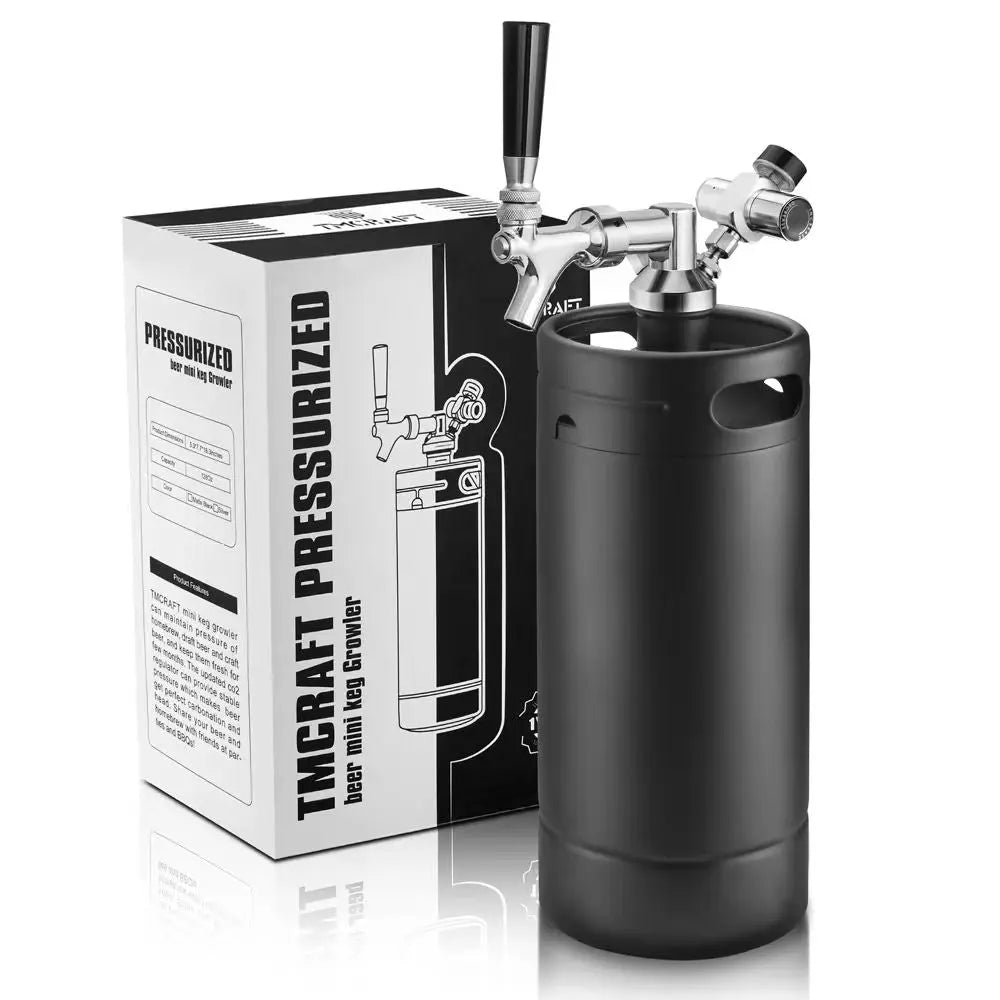
Why TMCRAFT Coffee Kegs Support Both Convenience and Performance
TMCRAFT coffee keg systems are designed for cold brew enthusiasts who want flexible dispensing options and reliable performance.
Key features include:
-
Food-grade stainless steel construction
-
Compatibility with non-threaded N2 and N2O cartridges
-
Portable design
-
Easy cleaning and maintenance
-
Pressure-resistant construction
-
Smooth dispensing performance
These features make TMCRAFT systems well suited for home coffee bars, offices, events, and mobile beverage setups.
Frequently Asked Questions
Can CO2 be used in a coffee keg?
Yes. CO2 can dispense coffee, but it may introduce carbonation and create a different mouthfeel than nitrogen.
Does nitrogen make coffee fizzy?
No. Nitrogen produces a creamy texture without significant carbonation.
Why do coffee shops use nitrogen?
Nitrogen creates the smooth texture, dense microfoam, and cascading appearance associated with premium nitro cold brew.
Can I use my beer CO2 system for coffee?
Yes, but the result will differ from traditional nitro coffee. The beverage may become slightly carbonated over time.
Which gas creates the best nitro coffee?
For authentic nitro cold brew, nitrogen is generally considered the best choice.
Conclusion
Both nitrogen and CO2 can power a coffee keg, but they create very different beverage experiences. CO2 excels at simple dispensing and carbonation, while nitrogen produces the smooth, creamy texture that defines modern nitro coffee.
For coffee enthusiasts seeking café-quality nitro cold brew coffee, a dedicated nitrogen coffee system is typically the superior option. It delivers the rich mouthfeel, cascading appearance, and velvety finish that have made nitro coffee so popular.
Whether you're building a home coffee bar, serving beverages at events, or upgrading a commercial setup, choosing the right gas is a key step toward creating the best possible cold brew experience. A high-quality TMCRAFT nitro coffee keg provides the flexibility, durability, and performance needed to serve smooth, professional-quality coffee on tap.
This article is optimized for long-tail searches such as nitrogen vs CO2 for coffee kegs, best gas for nitro coffee, nitro coffee keg setup, CO2 coffee keg, and cold brew coffee system nitrogen, which typically have lower competition and stronger commercial intent than broader coffee keywords.
Link to: From Kitchen Counter to Coffee Bar: Why Coffee Kegs Are Replacing Traditional Cold Brew Containers