

The Ball Lock Keg Setup Checklist Every Homebrewer Should Follow Before the First Pour
Many homebrewers spend weeks crafting the perfect batch of beer only to encounter problems during serving. Flat beer, excessive foam, gas leaks, and inconsistent pours are often blamed on the keg itself, but in reality, most issues originate during setup.
A properly configured ball lock keg system is the foundation of a successful draft experience. Taking a few extra minutes before the first pour can save hours of troubleshooting later.
Whether you're assembling your first homebrew keg system or upgrading an existing setup, following a systematic approach helps ensure reliable performance, better carbonation, and a smoother serving experience.
This keg setup checklist covers every essential step from cleaning and inspection to pressure testing and serving preparation.
Why Proper Ball Lock Keg Setup Matters
A draft system operates under pressure.
Small mistakes can create issues such as:
- Gas leaks
- Poor carbonation
- Foamy pours
- Wasted CO2
- Beer loss
- Inconsistent serving performance
The goal of a proper corny keg setup is to create a sealed, balanced system that maintains pressure and delivers beer exactly as intended.
Professional breweries follow setup procedures before every service cycle. Homebrewers benefit from doing the same.
Step 1: Inspect the Ball Lock Keg Before Use
Every ball lock keg should be inspected before filling.
Check:
Lid Condition
Ensure the lid is free of dents and damage.
O-Rings
Inspect all seals for:
- Cracks
- Dryness
- Flattening
- Wear
Gas and Liquid Posts
Verify threads are clean and undamaged.
Pressure Relief Valve
Confirm smooth operation.
Replacing worn seals before filling is far easier than troubleshooting leaks later.
Step 2: Deep Clean the Keg
Even a new stainless steel keg should be cleaned before use.
Manufacturing oils, dust, or storage residue may remain inside.
Cleaning should include:
- Keg body
- Lid
- Dip tubes
- Posts
- Disconnects
Proper sanitation protects flavor quality and reduces contamination risks.
Step 3: Reassemble the Corny Keg Correctly
After cleaning:
- Reinstall dip tubes.
- Secure gas and liquid posts.
- Lubricate O-rings if recommended.
- Install the lid properly.
During corny keg setup, careful reassembly prevents many common problems.
Avoid overtightening components, which may damage threads or seals.
Step 4: Fill the Keg Carefully
When kegging beer, minimizing oxygen exposure is important.
Best practices include:
Transfer Gently
Reduce splashing whenever possible.
Leave Headspace
Allow sufficient space for pressure management.
Keep Everything Sanitized
Maintain clean transfer procedures throughout the process.
Protecting beer during transfer helps preserve freshness and flavor stability.
Step 5: Connect the Gas System
The gas side of the homebrew keg system is responsible for carbonation and dispensing performance.
Components typically include:
- CO2 tank
- Regulator
- Gas line
- Gas disconnect
Before applying pressure:
- Verify all fittings are secure.
- Check hose clamps.
- Confirm regulator settings.
A proper keg regulator setup is essential for long-term reliability.
Step 6: Perform a Pressure Test
This may be the most important step in the entire keg setup checklist.
Apply CO2 and pressurize the keg.
Listen carefully for:
- Hissing sounds
- Escaping gas
- Pressure fluctuations
Use sanitizer solution around:
- Lid seal
- Posts
- Disconnects
- Gas fittings
Bubbles often reveal leak locations.
Early leak detection helps prevent wasted CO2 and carbonation problems.
Step 7: Verify Keg Leak Prevention
One of the biggest frustrations for homebrewers is discovering an empty CO2 tank caused by an unnoticed leak.
Effective keg leak prevention includes:
Tight Connections
Secure all fittings appropriately.
Fresh O-Rings
Replace worn seals proactively.
Proper Lid Seating
Apply pressure to help the lid seal correctly.
Routine Testing
Pressure-test each keg before service.
A few minutes of inspection can save significant time and expense.
Step 8: Configure Carbonation Settings
The next stage involves carbonation.
Most brewers use force carbonation rather than bottle conditioning.
Factors affecting carbonation include:
- Beer temperature
- Desired carbonation level
- CO2 pressure
Using carbonation charts helps achieve consistent results.
A properly configured ball lock corny keg provides excellent carbonation control.
Step 9: Check Beverage Lines
Draft balance plays a major role in serving quality.
Inspect:
Beverage Tubing
Look for:
- Kinks
- Wear
- Residue
Disconnects
Verify secure connections.
Faucets
Ensure cleanliness and smooth operation.
Balanced systems help reduce excessive foam and improve pouring consistency.
Step 10: Conduct a Test Pour
Before serving guests, perform a test pour.
Evaluate:
- Foam levels
- Carbonation
- Flow rate
- Clarity
Minor adjustments can often be made quickly.
Testing allows brewers to identify issues before they affect the overall experience.
Common Setup Mistakes to Avoid
Even experienced brewers occasionally overlook important details.
Common mistakes include:
Skipping Pressure Tests
Small leaks can become major problems.
Reusing Damaged O-Rings
Worn seals frequently cause pressure loss.
Incorrect Regulator Settings
Improper pressure may create carbonation issues.
Poor Sanitation
Contamination can negatively affect beer quality.
Neglecting Line Maintenance
Dirty beverage lines impact flavor and performance.
Avoiding these mistakes improves draft reliability.
Why Ball Lock Kegs Remain the Homebrewer's Favorite Choice
The popularity of the ball lock keg continues to grow because it offers several advantages over traditional bottling.
Benefits include:
Faster Packaging
One keg replaces dozens of bottles.
Better Carbonation Control
Pressure can be adjusted precisely.
Easier Cleaning
Fewer individual containers require maintenance.
Professional Serving Experience
A draft beer system provides fresh beer on demand.
These advantages make kegging increasingly attractive to both beginner and experienced brewers.
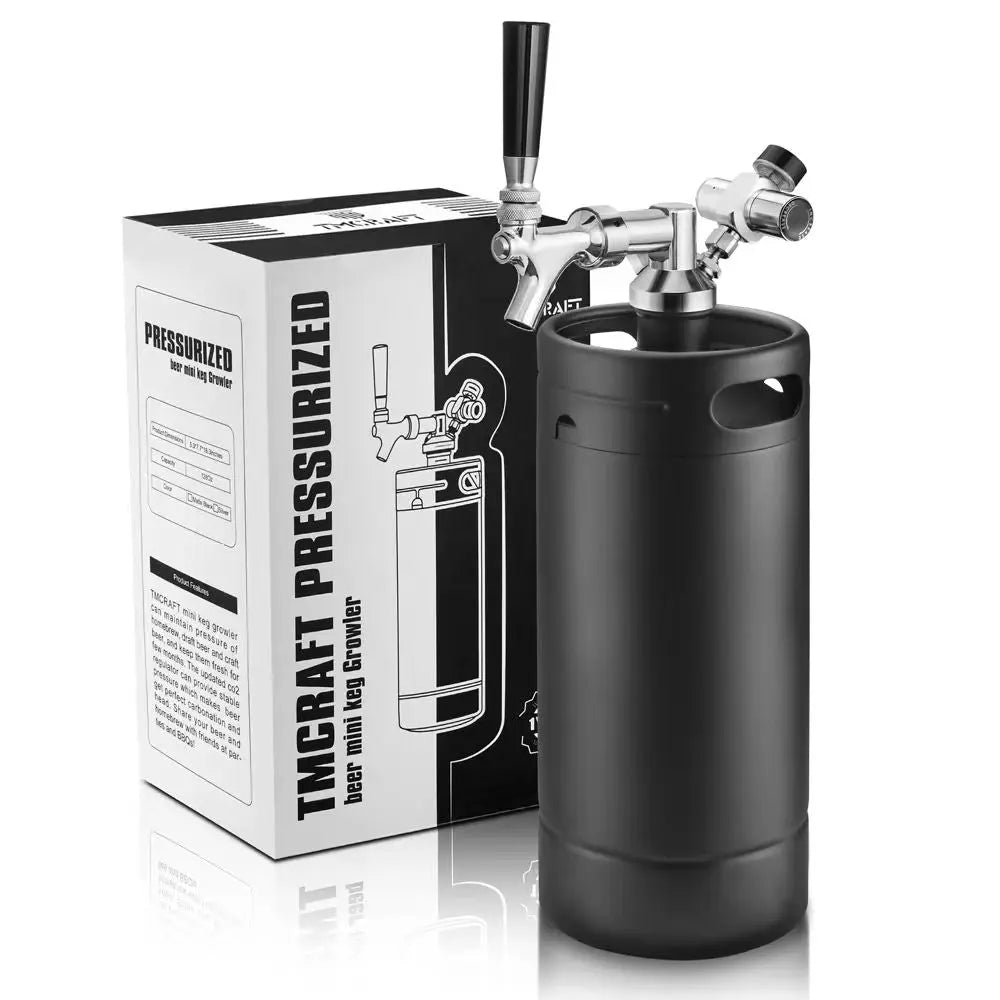
Why TMCRAFT Ball Lock Kegs Simplify Setup
TMCRAFT ball lock kegs are designed for dependable performance and straightforward operation.
Features include:
- Food-grade stainless steel construction
- Durable pressure-resistant design
- Standard ball lock compatibility
- Easy-clean interiors
- Reliable sealing systems
- Multiple capacity options
Whether you're assembling your first homebrew draft setup or expanding an existing system, TMCRAFT kegs help streamline the process.
Frequently Asked Questions
How much pressure should I use when setting up a ball lock keg?
Pressure depends on beer style, temperature, and desired carbonation level. Most brewers reference carbonation charts to determine appropriate settings.
Why is my ball lock keg leaking?
Leaks often result from worn O-rings, loose fittings, or improperly seated lids.
Should I pressure test every keg?
Yes. Pressure testing is one of the most effective forms of keg leak prevention.
What is the most important step in a corny keg setup?
Pressure testing and seal inspection are among the most critical steps.
Are ball lock kegs suitable for beginners?
Absolutely. A ball lock keg is widely considered one of the easiest and most reliable kegging systems for homebrewers.
Conclusion
A successful draft experience begins long before the first pint is poured. Following a thorough keg setup checklist helps eliminate common issues such as leaks, carbonation inconsistencies, and serving problems while improving overall beer quality.
By carefully inspecting components, performing proper sanitation, verifying pressure integrity, and balancing the system correctly, homebrewers can maximize the performance of their ball lock keg and enjoy a more reliable serving experience.
TMCRAFT ball lock kegs are engineered to simplify setup while providing the durability and performance serious brewers demand. Whether you're building your first homebrew keg system or refining an advanced draft setup, proper preparation remains the key to every successful pour.
Link to: How a Ball Lock Keg Improves Carbonation Control Compared to Traditional Bottling