

How a Ball Lock Keg Improves Carbonation Control Compared to Traditional Bottling
One of the biggest challenges facing homebrewers is achieving consistent carbonation. You can spend weeks perfecting a recipe, carefully monitoring fermentation, and maintaining proper sanitation practices, only to discover that the finished beer pours with too little carbonation—or too much.
For many brewers, carbonation is the final step that determines whether a beer feels professional or amateur.
This is one reason why so many homebrewers eventually transition from bottling to a ball lock keg system.
While bottling remains a proven and affordable packaging method, modern kegging systems offer a level of carbonation control that is difficult to achieve through bottle conditioning alone. By allowing brewers to precisely manage pressure and carbonation levels, a ball lock corny keg helps create more consistent results from batch to batch.
In this guide, we'll explore the science behind carbonation, compare traditional bottling with kegging, and explain why a ball lock keg has become one of the most valuable upgrades for serious homebrewers.
Why Carbonation Matters in Beer
Many people think carbonation simply creates bubbles.
In reality, carbonation affects nearly every aspect of the drinking experience.
Carbon dioxide influences:
- Mouthfeel
- Aroma release
- Flavor perception
- Head retention
- Drinkability
Different beer styles require different carbonation levels.
For example:
English Ales
Typically feature lower carbonation.
American Pale Ales
Often require moderate carbonation.
Wheat Beers
Usually benefit from higher carbonation levels.
Belgian Styles
May contain significantly more carbonation than other styles.
Because carbonation affects style authenticity, proper homebrew carbonation is essential.
Understanding Traditional Bottle Conditioning
The most common carbonation method for beginner brewers is bottle conditioning.
This process involves:
- Adding priming sugar to finished beer.
- Filling bottles.
- Sealing bottles with caps.
- Allowing yeast to ferment the sugar.
- Waiting for carbonation to develop.
The process is simple and inexpensive.
However, it has limitations.
Challenges of Bottle Conditioning
While effective, bottle conditioning introduces several variables that can affect carbonation consistency.
Common challenges include:
Uneven Sugar Distribution
If priming sugar is not mixed thoroughly, carbonation may vary between bottles.
Yeast Performance Differences
Individual bottles may carbonate differently depending on yeast activity.
Temperature Variations
Storage temperatures influence carbonation speed and consistency.
Longer Waiting Periods
Carbonation often requires one to three weeks after bottling.
These variables can make precise carbonation control difficult.
What Is Force Carbonation?
Force carbonation uses external CO2 pressure instead of yeast activity to carbonate beer.
Rather than relying on secondary fermentation inside bottles, brewers introduce carbon dioxide directly into the beer using a keg system.
A typical setup includes:
- CO2 tank
- Regulator
- Gas lines
- Beverage lines
- Ball lock keg
This approach gives brewers far greater control over the carbonation process.
How a Ball Lock Keg Works
A ball lock keg is a pressurized stainless steel vessel designed to store and dispense beverages.
The keg features:
Gas Post
Allows CO2 to enter the keg.
Liquid Post
Allows beer to exit during dispensing.
Pressure Relief Valve
Provides pressure management and safety.
Sealed Environment
Helps preserve carbonation and freshness.
These components work together to support precise keg carbonation.
Why a Ball Lock Keg Provides Better Carbonation Control
The biggest advantage of a ball lock keg is precision.
Instead of hoping carbonation develops correctly, brewers can actively manage the process.
Adjustable Pressure Levels
A regulator allows brewers to select specific pressure settings.
This creates predictable carbonation outcomes.
Rather than relying on estimation, brewers can target exact carbonation levels.
Consistent Results
Because CO2 pressure remains controlled, every serving experiences the same conditions.
Consistency improves dramatically.
Faster Carbonation
One of the most attractive benefits of force carbonation is speed.
Many brewers can achieve serving-ready carbonation within days rather than weeks.
This shortens the overall production timeline.
Easy Adjustments
If carbonation levels need modification, adjustments can be made quickly.
With bottle conditioning, correcting carbonation issues is far more challenging.
Carbonation Charts and Precision Brewing
Modern kegging systems allow brewers to use carbonation charts.
These charts combine:
- Temperature
- Pressure
- Desired carbonation volume
By referencing standardized charts, brewers can achieve repeatable results.
This level of precision is difficult to match with traditional bottling.
For brewers seeking consistency, a homebrew keg system offers significant advantages.
Comparing Bottling vs Kegging for Carbonation
Let's examine how both methods compare.
Bottling
Advantages:
- Lower startup cost
- Simple equipment requirements
- Portable servings
Challenges:
- Less precise carbonation
- Longer waiting periods
- Potential variation between bottles
Kegging Beer
Advantages:
- Superior carbonation control
- Faster turnaround
- Easier adjustments
- Consistent results
Challenges:
- Higher initial investment
- Additional equipment requirements
For brewers focused on quality and repeatability, kegging beer often becomes the preferred choice.
Why Different Beer Styles Benefit from Kegging
Not all beer styles require identical carbonation levels.
A ball lock keg allows brewers to customize carbonation according to style.
Stouts and Porters
Often require lower carbonation.
IPAs
Benefit from moderate carbonation that supports hop aroma.
Wheat Beers
Typically perform best with elevated carbonation.
Belgian Ales
Frequently require precise high-carbonation profiles.
A kegging system provides flexibility across all these styles.
Carbonation Consistency Improves Serving Quality
Proper carbonation influences more than flavor.
It also affects:
- Foam quality
- Head retention
- Pour appearance
- Customer perception
A well-balanced beer often appears more professional.
This is particularly important when serving guests or entering competitions.
Additional Benefits Beyond Carbonation
Although carbonation control remains a primary advantage, a ball lock corny keg offers several other benefits.
Reduced Packaging Time
One keg replaces dozens of bottles.
Easier Cleaning
Cleaning a single keg is often faster than cleaning numerous bottles.
Better Serving Experience
A draft beer system provides convenient dispensing.
Improved Freshness
Sealed storage conditions help preserve beer quality.
These advantages further explain the popularity of kegging systems.
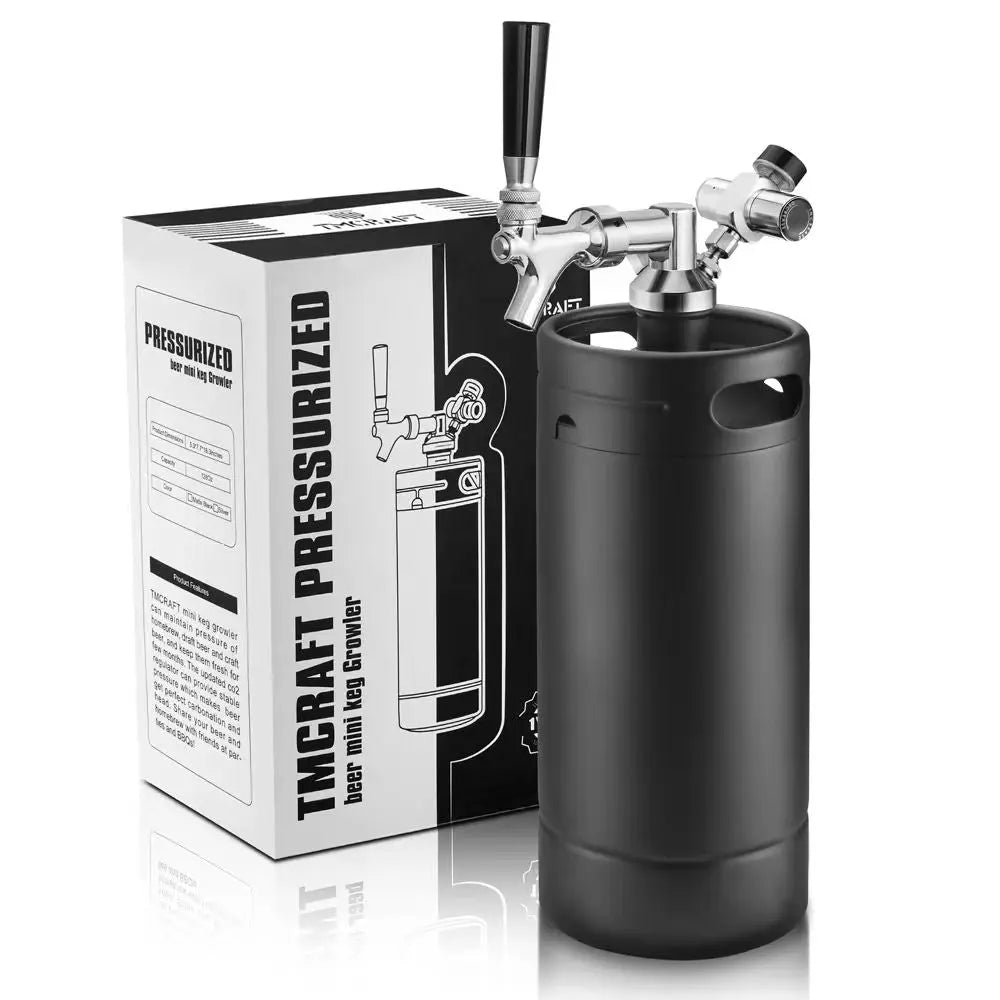
Why TMCRAFT Ball Lock Kegs Support Better Carbonation Management
TMCRAFT ball lock kegs are engineered to help brewers achieve consistent and reliable carbonation.
Key features include:
- Food-grade stainless steel construction
- Standard ball lock compatibility
- Durable pressure-resistant design
- Reliable sealing systems
- Easy cleaning and maintenance
- Multiple capacity options
Whether you're carbonating a crisp lager, a hop-forward IPA, or a rich stout, TMCRAFT products help simplify the carbonation process.
Frequently Asked Questions
What is the main advantage of a ball lock keg?
A ball lock keg provides superior carbonation control, consistency, and serving convenience compared with traditional bottling.
How does force carbonation work?
Force carbonation introduces CO2 directly into the beer using pressure rather than relying on bottle conditioning.
Is force carbonation faster than bottling?
Yes. Many brewers achieve desired carbonation levels within days rather than weeks.
Can a ball lock keg improve beer quality?
Better carbonation consistency often improves mouthfeel, aroma perception, and serving quality.
Are ball lock kegs suitable for beginners?
Absolutely. Many brewers find that transitioning to a homebrew keg system simplifies packaging and improves overall results.
Conclusion
Achieving reliable carbonation is one of the most important aspects of brewing quality beer. While traditional bottling remains a valuable method, it often introduces variables that make precise carbonation difficult to control.
A ball lock keg eliminates many of these uncertainties by allowing brewers to manage pressure directly through force carbonation. The result is faster turnaround times, improved consistency, and greater confidence in every batch.
Whether you're producing a delicate English ale, a highly carbonated wheat beer, or a hop-forward IPA, effective carbonation control helps showcase the flavors and aromas you worked hard to create. TMCRAFT ball lock kegs provide the durability, reliability, and precision needed to elevate the homebrewing experience and deliver professional-quality results from the first pour to the last.
Link to: 5 Common Ball Lock Keg Problems and How Homebrewers Can Fix Them Quickly