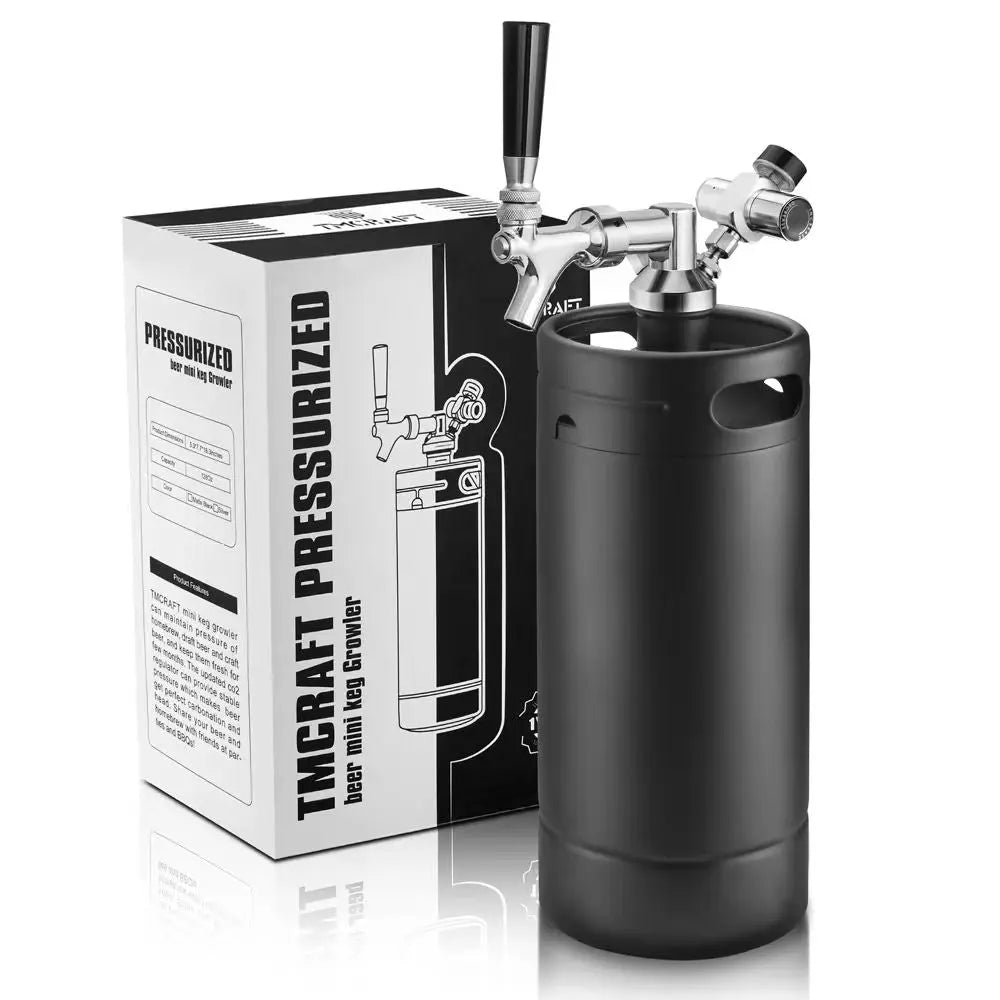


Pressure Perfect: A Complete Guide to Optimizing Ball Lock Keg Performance for Any Beverage
Introduction: Why Optimization Matters More Than Equipment
Owning a ball lock keg system is a major step toward achieving professional-quality draft beverages—but simply having the equipment isn’t enough.
Many users still encounter:
- Inconsistent carbonation
- Excessive foam or slow pours
- Flavor instability over time
The real difference lies in how well the system is optimized.
By understanding and controlling the variables that affect performance, you can transform your keg from a basic storage container into a precision draft system that delivers consistent, high-quality results.
What Is a Ball Lock Keg System?
A ball lock keg system is a pressurized stainless steel keg that uses quick-connect ball lock fittings to manage gas and liquid flow.
Key components include:
- Gas post for CO₂ input
- Liquid post for beverage output
- Internal dip tubes
- Pressure relief valve (PRV)
- Airtight lid with sealing O-ring
The ball lock mechanism ensures secure connections, minimizing leaks and simplifying setup.
The Three Variables That Define Keg Performance
To optimize your system, you must control three critical factors:
1. Pressure
Controls carbonation levels and dispensing force
2. Temperature
Affects gas solubility and flavor stability
3. Flow Resistance
Determines pour speed and foam formation
Balancing these variables is essential for achieving consistent draft performance.
Optimizing Pressure: The Foundation of Performance
Understanding PSI (Pounds per Square Inch)
Pressure determines how much CO₂ dissolves into your beverage. Different drinks require different pressure levels to achieve optimal carbonation.
Recommended Pressure Ranges
| Beverage Type | PSI Range |
|---|---|
| Ale | 10–12 PSI |
| Lager | 12–14 PSI |
| Wheat Beer | 14–18 PSI |
| Kombucha | 8–10 PSI |
| Sparkling Water | 20–30 PSI |
Tips for Better Pressure Control
- Start with lower PSI and adjust gradually
- Use a reliable regulator for accuracy
- Avoid sudden pressure changes
Proper pressure control ensures balanced carbonation and smooth pouring.
Temperature: The Overlooked Performance Factor
Temperature directly impacts how CO₂ behaves in liquid.
Key Principles:
- Cold liquids absorb CO₂ more efficiently
- Warm liquids release gas, causing foam
- Stable temperature = stable carbonation
Ideal Serving Range:
- 34–40°F (1–4°C)
Maintaining consistent temperature is critical for predictable results.
Flow Control: Achieving the Perfect Pour
Even with correct pressure and temperature, poor flow control can ruin the experience.
Factors That Influence Flow:
- Beverage line length
- Line diameter
- Serving pressure
How to Optimize Flow:
- Use properly sized beverage lines
- Balance line resistance with pressure
- Adjust PSI to reduce foam
A balanced system ensures a clean, controlled pour with minimal waste.
Step-by-Step: Optimizing Your Ball Lock Keg Setup
Step 1: Clean and Inspect
Ensure all components are free from residue and damage.
Step 2: Fill and Seal
Transfer your beverage and secure the lid properly.
Step 3: Purge Oxygen
Apply CO₂ and release it multiple times to eliminate oxygen.
Step 4: Set Initial Pressure
Start within the recommended PSI range for your beverage.
Step 5: Stabilize Temperature
Place the keg in a controlled environment and allow it to cool.
Step 6: Test and Adjust
Pour a sample and adjust pressure or flow settings as needed.
Common Performance Issues and Solutions
❌ Excess Foam
Cause: High pressure or warm temperature
Solution: Lower PSI and chill the keg
❌ Flat Beverage
Cause: Low pressure or insufficient carbonation time
Solution: Increase PSI and wait longer
❌ Inconsistent Pour
Cause: Unbalanced system
Solution: Adjust line length and pressure
❌ Gas Leaks
Cause: Worn seals
Solution: Replace O-rings and tighten fittings
Advanced Optimization Techniques
✔ Force Carbonation Method
Quickly carbonate by applying higher pressure and agitating the keg.
✔ Set-and-Forget Method
Maintain steady pressure over time for consistent results.
✔ Dual-Regulator Systems
Control multiple kegs at different pressures simultaneously.
✔ Pressure Logging
Track settings to replicate successful results.
Ball Lock Keg vs Other Systems
| Feature | Ball Lock Keg System | Other Systems |
|---|---|---|
| Precision | High | Moderate |
| Ease of Use | High | Variable |
| Compatibility | Wide | Limited |
| Maintenance | Simple | Complex |
Ball lock kegs remain the preferred choice for users seeking control and reliability.
Why TMCRAFT Ball Lock Kegs Are Built for Optimization
TMCRAFT ball lock kegs are designed to support precise control and long-term performance.
Key features include:
- High-quality stainless steel construction
- Reliable pressure retention
- Leak-resistant fittings
- Compatibility with standard CO₂ systems
These features make them ideal for users aiming to achieve consistent, optimized draft results.
The Future of Keg Systems: Precision and Personalization
As beverage enthusiasts demand more control, keg systems are evolving toward:
- Greater precision
- More customization
- Improved efficiency
Ball lock kegs are leading this shift by enabling users to fine-tune every aspect of their setup.
Conclusion: Master the System, Master the Pour
A ball lock keg system is only as good as how well it’s optimized.
By mastering:
- Pressure
- Temperature
- Flow
You can turn any beverage into a perfectly balanced draft experience.
👉 Optimization isn’t optional—it’s the key to unlocking the full potential of your keg system.
Link to: Dialing It In: How Ball Lock Kegs Give You Total Control Over Pressure, Flow, and Flavor