

Nitrogen vs CO₂ for Coffee Kegs: Which Gas Produces the Best Cold Brew Experience?
A coffee keg is no longer just a niche café tool. It has become a popular way for coffee lovers to enjoy smooth, café-style cold brew at home. With the rise of home draft systems, more users are building their own coffee keg system to serve fresh coffee on tap anytime.
One of the most important decisions when setting up a coffee keg is choosing the right gas. The two most common options—nitrogen and CO₂—create very different drinking experiences.
Understanding how each gas interacts with cold brew coffee helps you build a better nitro cold brew system and avoid disappointing results.
This guide breaks down the differences between nitrogen and CO₂, how each affects flavor and texture, and which option works best for your coffee setup.
Why Gas Choice Matters in a Coffee Keg System
Gas is not just for dispensing pressure. In a coffee keg system, it directly influences:
- Texture
- Mouthfeel
- Aroma release
- Foam formation
- Perceived sweetness
- Overall drinking experience
A poorly chosen gas can make even high-quality cold brew taste flat, overly fizzy, or unbalanced.
That’s why understanding your coffee keg gas options is essential before building a home or commercial draft setup.
What Is Nitrogen in a Coffee Keg?
Nitrogen is an inert gas that dissolves poorly in liquid. This is actually what makes it ideal for nitro cold brew.
When nitrogen is infused into a coffee keg, it creates:
- Ultra-fine bubbles
- Creamy foam head
- Smooth texture
- Cascading visual effect
This is the signature experience of nitro coffee.
A nitrogen coffee system is widely used in cafés because it enhances perceived sweetness without adding sugar or milk.
What Is CO₂ in a Coffee Keg?
Carbon dioxide (CO₂) is the standard gas used in beer and soda systems.
When used in a CO2 coffee keg, it produces:
- Strong carbonation
- Fizzy texture
- Sharp mouthfeel
- Higher acidity perception
While CO₂ works well for sparkling beverages, it behaves very differently in coffee.
In a coffee keg system, CO₂ is primarily used for dispensing pressure—not flavor enhancement.
Nitrogen vs CO₂: Key Differences in Coffee Keg Performance
1. Texture and Mouthfeel
Nitrogen Coffee Keg
- Creamy
- Smooth
- Velvety
CO₂ Coffee Keg
- Sharp
- Fizzy
- More acidic sensation
Winner: Nitrogen
2. Foam Production
Nitrogen
Produces thick, cascading foam ideal for nitro cold brew
CO₂
Creates bubbles that dissipate quickly and feel less stable
Winner: Nitrogen
3. Flavor Perception
Nitrogen Coffee Keg
- Reduces bitterness
- Enhances sweetness
- Softens acidity
CO₂ Coffee Keg
- Increases perceived acidity
- Can overpower delicate coffee notes
Winner: Nitrogen
4. Dispensing Pressure Stability
Nitrogen
Requires higher pressure systems but remains stable in a coffee keg system
CO₂
Easier to regulate but less ideal for flavor enhancement
Winner: CO₂ (for simplicity only)
5. Visual Experience
Nitrogen
Creates cascading “stout-like” effect
CO₂
Produces typical carbonation bubbles
Winner: Nitrogen
When to Use Nitrogen in a Coffee Keg
A nitrogen setup is ideal if your goal is:
- Café-style nitro cold brew
- Smooth drinking experience
- Premium presentation
- Coffee on tap systems
Most specialty cafés rely on nitrogen because it transforms cold brew into a textured beverage rather than a simple iced drink.
A coffee keg paired with nitrogen creates the closest experience to commercial nitro taps.
When to Use CO₂ in a Coffee Keg
CO₂ is suitable when:
- You want a simple dispensing system
- You prefer slightly carbonated coffee drinks
- You are using mixed beverages (coffee cocktails, soda blends)
- You prioritize low equipment complexity
However, in most coffee keg system applications, CO₂ is not ideal for traditional cold brew flavor profiles.
Can You Combine Nitrogen and CO₂ in a Coffee Keg?
Some advanced systems use blended gas (often called “beer gas”), but for coffee applications this is less common.
In general:
- Nitrogen = best for flavor and texture
- CO₂ = best for pressure and basic dispensing
Most home users achieve better results by using a dedicated nitro cold brew setup rather than mixing gases.
Equipment Needed for Each System
Nitrogen Coffee Keg Setup
- Coffee keg
- Nitrogen cartridges or tank
- Regulator
- Nitro faucet
- Cold brew concentrate
CO₂ Coffee Keg Setup
- Coffee keg
- CO₂ tank or cartridge
- Standard regulator
- Basic tap system
- Cold brew
Common Mistakes When Using Gas in Coffee Kegs
Using CO₂ for Nitro Coffee
This is the most common mistake. It results in overly fizzy coffee instead of smooth nitro cold brew.
Over-pressurizing the Coffee Keg
Too much pressure can:
- Cause foamy overflow
- Distort flavor
- Reduce dispensing control
Using Poor-Quality Cold Brew
Even the best coffee keg system cannot fix weak or over-extracted coffee.
Ignoring Temperature
Cold brew must be properly chilled for gas to dissolve effectively.
Why Stainless Steel Coffee Kegs Perform Better
A high-quality stainless steel coffee keg provides:
- Pressure durability
- Flavor neutrality
- Temperature stability
- Long-term corrosion resistance
- Better gas retention
This ensures consistent performance for both nitrogen and CO₂ systems.
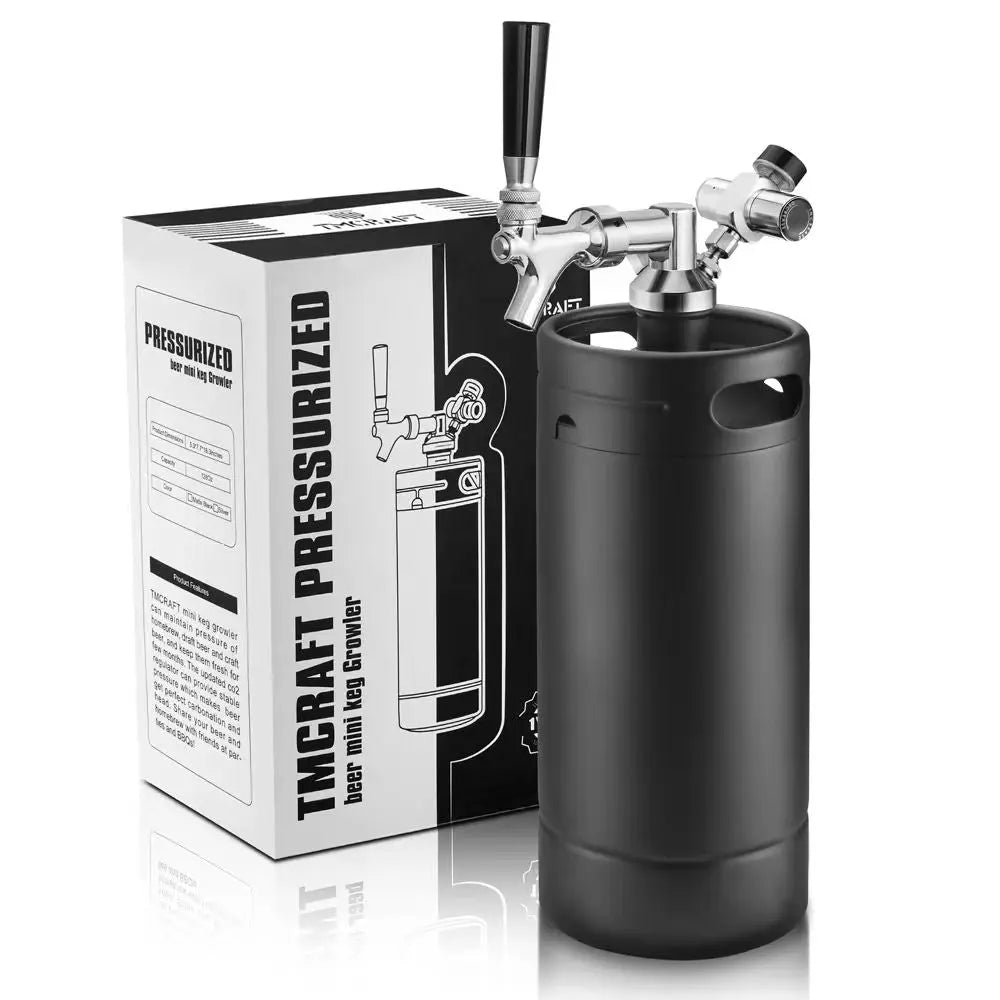
Why TMCRAFT Coffee Kegs Are Designed for Nitro Systems
TMCRAFT coffee kegs are engineered for modern coffee keg system setups, especially nitro applications.
Key features include:
- Food-grade 304 stainless steel
- Pressure-resistant construction
- Compatibility with nitrogen systems
- Smooth interior for easy cleaning
- Portable design for home or café use
- Reliable sealing for gas retention
Whether you are building a home nitro cold brew setup or a commercial draft coffee system, TMCRAFT provides consistent performance.
FAQ
Is nitrogen better than CO₂ for a coffee keg?
Yes. Nitrogen produces smoother texture and better flavor balance in a coffee keg system.
Can I use CO₂ for nitro cold brew?
You can, but it will not produce authentic nitro texture.
Why does nitrogen make coffee creamy?
Nitrogen creates ultra-fine bubbles that form a smooth, velvety mouthfeel.
Do I need special equipment for nitrogen coffee kegs?
Yes. Nitro faucets and compatible regulators are recommended for best results.
What is the best gas for coffee on tap?
For traditional cold brew, nitrogen is the preferred option.
Conclusion
Choosing between nitrogen and CO₂ is one of the most important decisions when building a coffee keg setup. While CO₂ is simple and widely available, it does not enhance texture or flavor in the same way.
Nitrogen, on the other hand, transforms cold brew into a smooth, café-quality nitro cold brew experience with rich foam and balanced sweetness.
For most users, a nitrogen-based coffee keg system delivers the best combination of taste, presentation, and drinking satisfaction.
TMCRAFT stainless steel coffee kegs are designed to support this experience, helping users create professional-quality draft coffee at home or in commercial environments—turning every pour into a smooth, café-style moment.
Link to: Coffee Keg Cleaning Made Easy: A Complete Guide to Better-Tasting Cold Brew