

From Cold Brew to Nitro Tap: Building a Home Coffee Keg System That Delivers Every Day
Keywords
Coffee Keg, Nitro Coffee, Cold Brew Keg System, TMCRAFT Coffee Kegs, Home nitro coffee, cold brew on tap, nitrogen coffee system, coffee keg setup, nitro cold brew at home, home coffee brewing
Introduction: Why Coffee Kegs Are the Future of Home Cold Brew
Cold brew coffee has earned a permanent place in home kitchens thanks to its smooth flavor and low acidity. But for many coffee drinkers, standard cold brew is only the starting point. The real upgrade—the one that changes texture, mouthfeel, and overall experience—is nitro coffee.
Served on tap in cafés, nitro cold brew delivers a creamy, cascading pour and a naturally sweet finish without milk or sugar. Until recently, achieving this at home required expensive commercial equipment or constant trips to coffee shops.
That has changed with the rise of the coffee keg system.
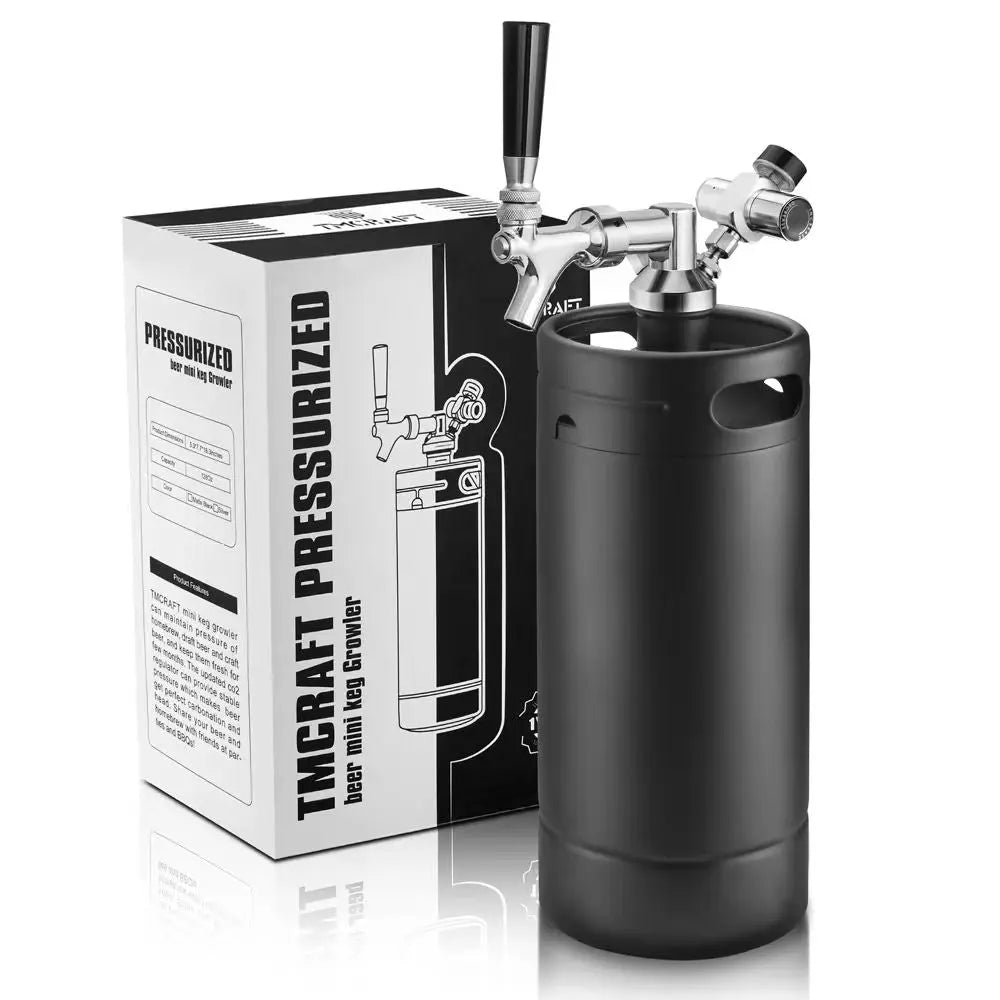
A coffee keg allows home users to brew, store, and serve nitro cold brew from their refrigerator, delivering consistent, café-quality results every day. In this guide, we explain how coffee keg systems work, how to build one at home, and why TMCRAFT Coffee Kegs are designed specifically for reliable daily nitro brewing.
What Is a Coffee Keg?
A coffee keg is a stainless steel, pressurized container designed for cold brew coffee and nitrogen infusion. Unlike bottles or growlers, a coffee keg maintains a sealed environment that protects coffee from oxygen while allowing nitrogen to remain dissolved until serving.
Key Characteristics of a Coffee Keg
- Food-grade stainless steel construction
- Pressure-rated for nitrogen use
- Airtight sealing to preserve freshness
- Compatible with nitrogen cartridges or tanks
- Designed for cold beverages, not carbonation
TMCRAFT Coffee Kegs are purpose-built for home use, balancing compact size with the pressure stability required for smooth nitro pours.
Why Nitro Coffee Requires a Keg System
Nitro coffee is not simply cold brew with bubbles—it is a texture-driven beverage that depends on controlled nitrogen infusion.
Nitrogen vs Carbon Dioxide
Carbon dioxide:
- Dissolves easily in liquid
- Forms carbonic acid
- Adds sharpness and acidity
Nitrogen:
- Dissolves poorly
- Does not change acidity
- Creates tiny, stable bubbles
When cold brew is pushed through a restricted faucet under nitrogen pressure, it produces the signature:
- Creamy mouthfeel
- Thick foam head
- Cascading visual effect
Without a pressurized coffee keg, nitrogen escapes almost instantly, making true nitro coffee impossible to maintain.
Cold Brew Preparation for Coffee Kegs
The foundation of great nitro coffee is properly brewed cold brew.
Coffee Selection and Grind
- Medium to dark roasts perform best
- Use coarse grind to reduce sediment
Brewing Ratio
- Common ratios range from 1:4 to 1:5 (coffee to water)
- Stronger concentrates work well for nitro dilution
Steeping Time
- 16–24 hours in cold conditions
- Longer steeping increases body but can add bitterness
Proper filtration is critical. Fine particles can clog dip tubes and negatively affect pouring performance.
How a Home Coffee Keg System Works
A typical home coffee keg system includes four core components:
- Coffee Keg – Stores cold brew under pressure
- Nitrogen Source – N₂ or N₂O cartridges or tank
- Pressure Control – Regulator or built-in valve
- Dispensing Tap – Nitro or stout-style faucet
TMCRAFT Coffee Kegs are compatible with compact nitrogen cartridge systems, making them practical for refrigerators, countertops, or home bars.
Filling and Charging a Coffee Keg
Filling the Keg
- Sanitize the keg before use
- Transfer filtered cold brew gently
- Minimize oxygen exposure
Nitrogen Charging
- Insert nitrogen cartridge
- Apply pressure gradually
- Gently agitate to distribute nitrogen
Allow the keg to rest under pressure for best nitrogen absorption. Cold temperatures improve consistency and foam quality.
Choosing Between Nitrogen (N₂) and Nitrous Oxide (N₂O)
Nitrogen (N₂)
- Produces classic café-style nitro
- Smaller bubbles and denser foam
- Requires higher pressure
Nitrous Oxide (N₂O)
- Easier dissolution
- Slightly sweeter perceived flavor
- Common in compact home systems
TMCRAFT Coffee Kegs support both options, allowing users to tailor mouthfeel and serving style.
Serving Nitro Coffee from a Keg
Serving technique matters as much as brewing.
Best Serving Conditions
- Coffee temperature: near refrigerator temperature
- Glass angle: straight pour preferred
- Faucet: restricted or stout-style recommended
A proper pour produces a cascading effect followed by a stable foam cap—hallmarks of well-executed nitro coffee.
Why Coffee Kegs Outperform Bottles and Growlers
Bottled Cold Brew Limitations
- Oxygen exposure after opening
- Rapid flavor degradation
- No nitrogen retention
Coffee Keg Advantages
- Sealed, pressurized environment
- Longer freshness window
- Consistent nitro texture
- Reduced packaging waste
For daily drinkers, a coffee keg is both more economical and more reliable than bottled alternatives.
How Long Does Cold Brew Last in a Coffee Keg?
When properly cleaned, sealed, and refrigerated:
- Bottled cold brew: 3–5 days after opening
- Coffee keg cold brew: up to 2 weeks or longer
Nitrogen pressure and oxygen exclusion significantly slow oxidation, preserving flavor clarity and aroma.
Cleaning and Maintenance of Coffee Kegs
Coffee oils require disciplined cleaning to prevent flavor contamination.
Recommended Maintenance Routine
- Rinse immediately after emptying
- Use coffee-safe cleaning solution
- Clean dip tubes and dispensing parts
- Sanitize before refilling
TMCRAFT Coffee Kegs feature smooth internal surfaces, reducing oil buildup and simplifying routine maintenance.
Common Mistakes in Home Nitro Coffee Systems
Using CO₂ Instead of Nitrogen
Results in acidic, carbonated coffee.
Serving Warm Coffee
Nitrogen dissolves poorly at higher temperatures.
Poor Filtration
Causes clogging and uneven pours.
Avoiding these issues ensures consistent nitro performance.
Coffee Kegs Beyond Cold Brew
Coffee kegs are versatile tools for cold beverages.
Popular uses include:
- Nitro tea
- Cascara drinks
- Coffee mocktails
- Low-acid cold brew blends
This flexibility makes coffee kegs valuable beyond traditional coffee preparation.
Why TMCRAFT Coffee Kegs Are Designed for Daily Use
TMCRAFT Coffee Kegs are engineered specifically for home nitro brewing, not adapted from beer systems.
TMCRAFT Design Advantages
- Food-grade stainless steel construction
- Cartridge-compatible nitrogen systems
- Leak-resistant seals
- Compact sizes for home refrigeration
- Designed to handle coffee oils safely
These features ensure stable pressure, clean flavor, and long service life—even with daily use.
Who Benefits Most from a Coffee Keg System?
Coffee kegs are ideal for:
- Daily cold brew drinkers
- Nitro coffee enthusiasts
- Home bar setups
- Small offices or shared kitchens
Anyone seeking café-quality nitro without ongoing café costs will benefit from a coffee keg system.
Conclusion: Nitro Coffee, Simplified for Home Brewing
Nitro coffee no longer requires professional equipment or daily café visits. With a properly designed coffee keg system, smooth, creamy cold brew can be served at home with consistency and control.
By preserving freshness, enhancing mouthfeel, and simplifying serving, coffee kegs elevate everyday coffee into a premium experience. For those who value quality and convenience, TMCRAFT Coffee Kegs provide a reliable, café-quality nitro solution—right at home.
Link to: Nitro Coffee on Tap: How a Coffee Keg System Transforms Your Home Brewing Experience