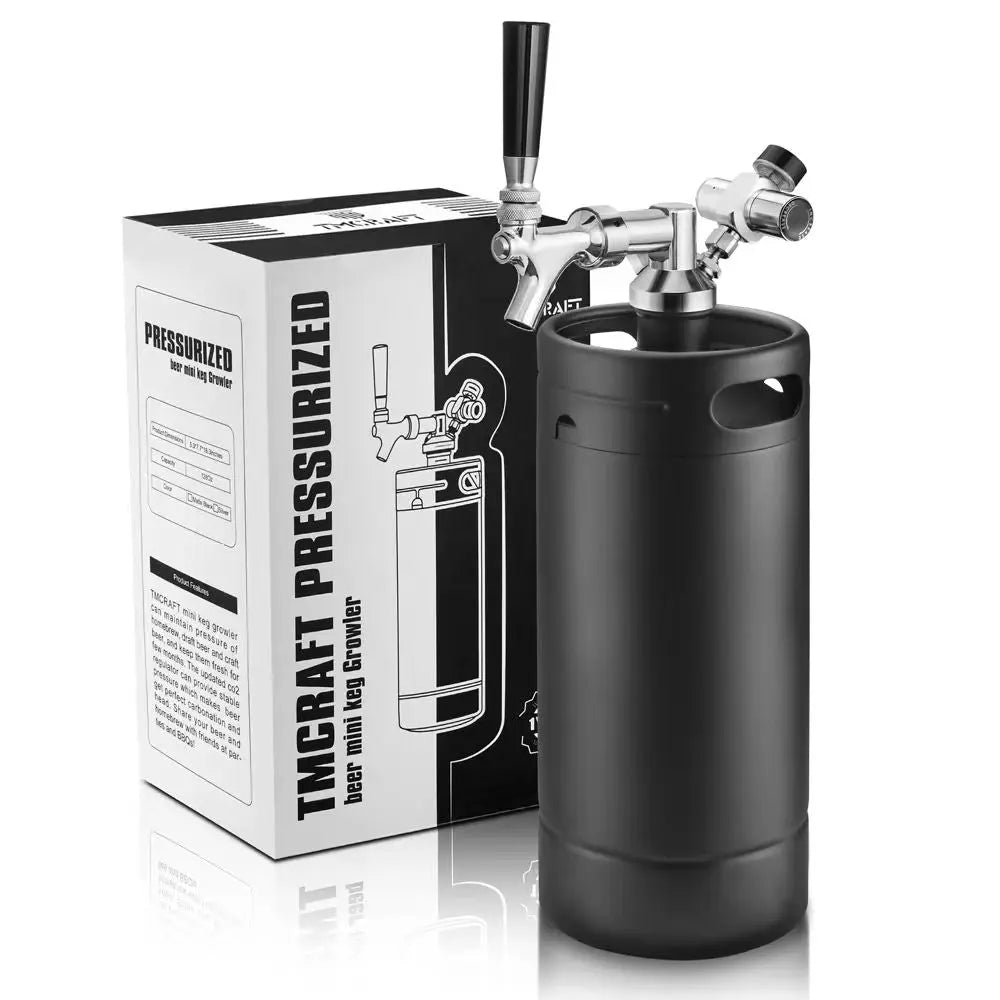


Mini Kegs vs Bottles: Why Small Kegging Is the Best Upgrade for Fresh Homebrew
Keywords
Mini Keg, Homebrew Kegging, Portable Beer Keg, TMCRAFT Mini Kegs, Fresh beer, small batch brewing, homebrew equipment, draft beer at home, mini keg system
Introduction: The Bottling Question Every Homebrewer Faces
For many homebrewers, bottling is the first—and sometimes most frustrating—step after fermentation. While bottling is familiar, it introduces common problems: oxidation, inconsistent carbonation, storage clutter, and time-consuming cleanup.
As homebrewers seek better ways to preserve flavor and simplify serving, mini kegs have emerged as one of the smartest upgrades in modern homebrew kegging.
Mini kegs combine the benefits of draft systems with the convenience of small-batch brewing. They eliminate many bottling issues while delivering fresher beer, consistent carbonation, and unmatched portability.
This guide explains:
- What a mini keg is and how it works
- Why mini kegs outperform bottles and growlers
- How mini keg systems improve freshness and carbonation
- Who should use a mini keg
- How TMCRAFT Mini Kegs fit into a complete homebrew setup
What Is a Mini Keg?
A mini keg is a compact, reusable stainless steel keg designed to store and dispense beer under pressure. Unlike disposable kegs or growlers, mini kegs are pressure-rated and compatible with CO₂ systems.
Most mini kegs range from 64 oz to 170 oz, making them ideal for:
- Small batch homebrewing
- Experimental recipes
- Portable draft beer
- Home refrigerators and travel
TMCRAFT Mini Kegs are built from food-grade stainless steel, ensuring flavor neutrality, durability, and long-term use.
Mini Kegs vs Bottles: A Practical Comparison
1. Freshness and Oxidation
Bottling introduces oxygen at multiple points:
- During filling
- During capping
- Every time a bottle is opened
Mini kegs operate as sealed systems, where CO₂ pressure protects beer from oxygen exposure. This dramatically slows staling and preserves hop aroma.
Result: Beer in a mini keg stays fresh weeks longer than bottled beer.
2. Carbonation Control
Bottles rely on:
- Priming sugar
- Yeast activity
- Time and temperature
Mini kegs use controlled CO₂ pressure, allowing brewers to:
- Fine-tune carbonation
- Adjust for beer style
- Avoid over-carbonation or flat beer
This level of control mirrors full-size kegging systems, but in a compact format.
3. Time and Convenience
Bottling a batch often means:
- Cleaning dozens of bottles
- Sanitizing caps
- Managing storage
With a mini keg:
- One vessel to clean
- Faster packaging
- Immediate draft capability
For many brewers, this alone justifies the switch.
How a Mini Keg System Works
A typical mini keg setup includes:
- Mini Keg (Stainless Steel Vessel)
- CO₂ Source (cartridges or small tank)
- Pressure Control / Regulator
- Dispensing Tap or Faucet
TMCRAFT Mini Kegs are compatible with modular tap systems, allowing users to scale from simple picnic taps to countertop draft setups.
Carbonating Beer in a Mini Keg
Mini kegs support force carbonation, which is faster and more precise than bottle conditioning.
Basic Carbonation Steps
- Chill the beer
- Apply CO₂ pressure
- Allow gas to dissolve
- Adjust pressure for serving
Typical carbonation pressure ranges from 10–14 PSI, depending on beer style and temperature.
Why Mini Kegs Excel at Portability
Mini kegs are designed to move where bottles cannot.
Ideal Scenarios
- Backyard parties
- Camping and tailgating
- Small gatherings
- Office or home draft setups
TMCRAFT Mini Kegs offer:
- Compact footprint
- Durable stainless steel construction
- Leak-resistant seals
- Optional insulated designs
This makes them far superior to growlers for portable draft beer.
How Long Does Beer Stay Fresh in a Mini Keg?
When properly sealed and pressurized:
- Bottles: 3–7 days after opening
- Growlers: 24–48 hours
- Mini kegs: 2–4 weeks or longer
CO₂ pressure continuously protects beer from oxygen ingress, maintaining:
- Carbonation
- Flavor
- Mouthfeel
This is especially important for hop-forward styles like IPAs.
Who Should Use a Mini Keg?
Mini kegs are ideal for:
Beginner Homebrewers
- Simple setup
- Less equipment clutter
- Faster results
Small-Batch Brewers
- Recipe testing
- Reduced waste
- Better quality control
Advanced Brewers
- Portable serving
- Supplemental draft capacity
- Events and competitions
TMCRAFT Mini Kegs are designed to support all experience levels.
Cleaning and Maintenance Best Practices
Proper maintenance ensures long keg life and clean flavor.
Recommended Routine
- Rinse immediately after use
- Clean with brewery-approved solution
- Sanitize before refilling
- Inspect seals regularly
How Mini Kegs Fit Into a Full Kegging System
Mini kegs often serve as:
- Entry-level kegging systems
- Travel companions for ball lock kegs
- Secondary serving vessels
Many brewers eventually combine:
- Mini kegs for portability
- Ball lock kegs for fermentation and bulk serving
- Coffee kegs for nitro beverages
Why TMCRAFT Mini Kegs Are Built for Homebrewers
TMCRAFT Mini Kegs are engineered with practical brewing needs in mind.
TMCRAFT Advantages
- Food-grade stainless steel
- Precision pressure sealing
- Modular tap compatibility
- Durable, reusable construction
- Designed for beer, coffee, and mixed beverages
This makes TMCRAFT Mini Kegs a long-term investment, not a disposable accessory.
Conclusion: The Smartest Way to Upgrade Homebrew Serving
Mini kegs bridge the gap between bottling and full-scale draft systems. They deliver:
- Fresher beer
- Better carbonation
- Easier serving
- True portability
For homebrewers who value quality, convenience, and flexibility, mini kegging is one of the most impactful upgrades available. With thoughtful design and reliable performance, TMCRAFT Mini Kegs bring draft-quality beer wherever your brewing journey takes you.
Link to: Beyond Bottles: The Ultimate Guide to Mini Kegs for Fresh, Portable Homebrew