

Beyond Bottles: The Ultimate Guide to Mini Kegs for Fresh, Portable Homebrew
Keywords
Mini Keg, Portable Beer Keg, Homebrewing Gear, Fresh Beer, TMCRAFT Mini Kegs, Homebrew keg, small batch brewing, mini keg system, draft beer at home, portable draft beer
Introduction: Why Homebrewers Are Moving Beyond Bottles
For decades, bottling was the default endpoint for homebrew. While bottles still have their place, many homebrewers now recognize their limitations: oxygen exposure, inconsistent carbonation, time-consuming cleanup, and limited portability.
Enter the mini keg.
Mini kegs have become one of the most popular upgrades in modern homebrewing because they combine freshness, convenience, and portability into a single system. Whether you brew small batches, experiment with new recipes, or want draft-quality beer without committing to a full kegerator, mini kegs offer a practical solution.
This guide explains:
- What a mini keg is and how it works
- Why mini kegs outperform bottles for freshness
- How carbonation works in a mini keg system
- Who should use a mini keg
- Why TMCRAFT Mini Kegs are engineered for serious homebrewers
What Is a Mini Keg?
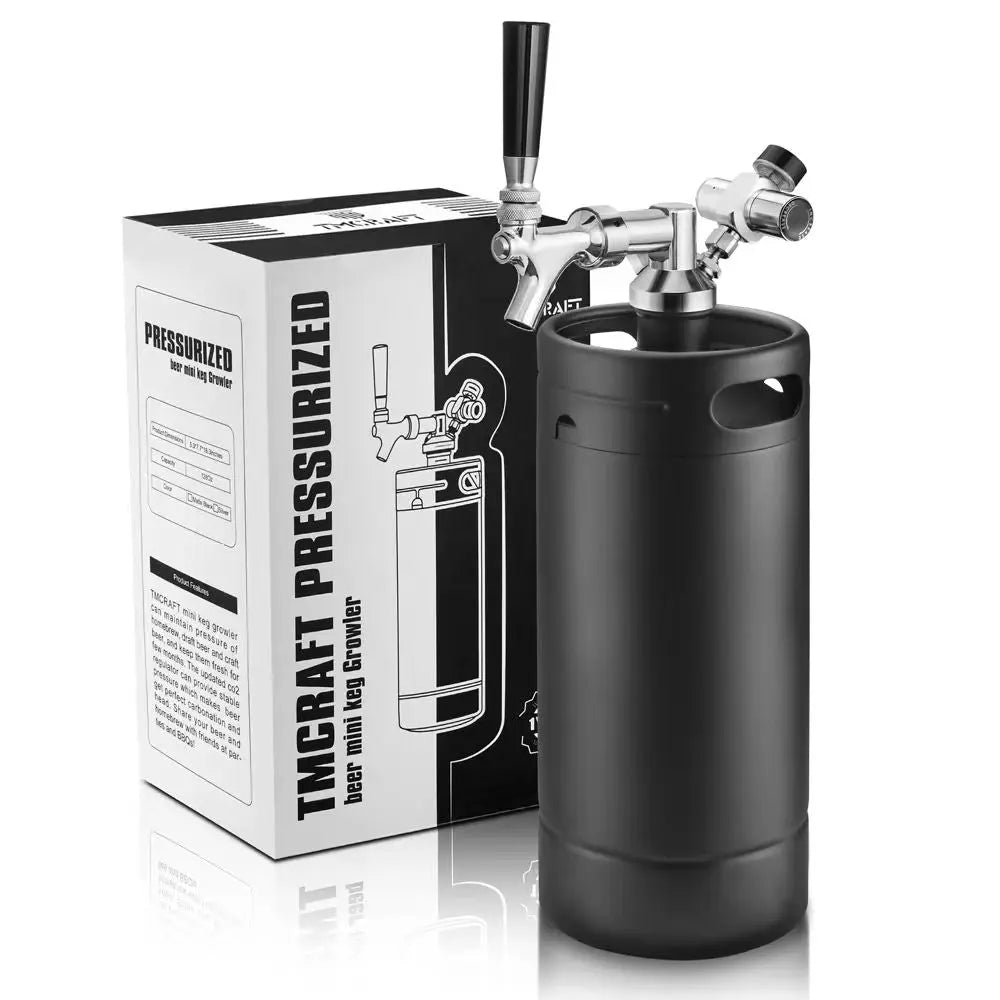
A mini keg is a compact, stainless steel keg designed to store and dispense beer under pressure. Most mini kegs range from 64 oz to 170 oz, making them ideal for:
- Small-batch homebrews
- Test recipes
- Parties, camping, and travel
- Fridge-friendly draft setups
Unlike disposable growlers or bottles, a mini keg is:
- Pressure-rated
- Reusable
- Compatible with CO₂ systems
- Designed for controlled dispensing
TMCRAFT Mini Kegs are built with food-grade stainless steel and precision seals, allowing beer to stay fresh for weeks rather than days.
Mini Keg vs Bottles: Why the Difference Matters
Oxygen Is the Enemy of Fresh Beer
Every time a bottle is filled or opened, oxygen exposure increases. Oxygen leads to:
- Stale flavors
- Loss of hop aroma
- Shorter shelf life
Mini kegs maintain a sealed, pressurized environment, dramatically reducing oxidation.
Carbonation Control
With bottles:
- Carbonation depends on sugar amounts
- Results can be inconsistent
With mini kegs:
- Carbonation is controlled via CO₂
- Pressure is adjustable
- Every pour is consistent
This alone makes mini kegs a preferred option for experienced homebrewers.
How Mini Keg Systems Work
A mini keg system relies on controlled pressure to both carbonate and dispense beer.
Core Components
-
Stainless Steel Mini Keg
Holds beer under pressure without absorbing flavors or odors. -
CO₂ Source
Typically small CO₂ cartridges or external tanks. -
Regulator or Pressure Control Cap
Ensures safe and consistent gas pressure. -
Dispensing System
Can be a faucet, picnic tap, or integrated pour spout.
TMCRAFT Mini Kegs are compatible with modular dispensing options, allowing brewers to scale their setup as needed.
Carbonating Beer in a Mini Keg
One of the biggest advantages of a mini keg is force carbonation.
Typical Carbonation Process
- Chill the beer
- Apply CO₂ pressure
- Allow gas to absorb over time (or gently agitate)
- Adjust pressure for serving
This method provides:
- Faster carbonation
- Greater precision
- Less sediment
For most beer styles, mini keg carbonation ranges between 10–14 PSI, depending on temperature and desired mouthfeel.
Why Mini Kegs Excel at Portability
Mini kegs are designed to move.
Ideal Use Cases
- Backyard gatherings
- Camping trips
- Tailgates
- Small events
- Office or home draft setups
TMCRAFT Mini Kegs feature:
- Compact form factors
- Durable stainless steel construction
- Leak-resistant sealing
- Optional insulated or double-wall designs
This makes them far superior to growlers for transport and outdoor use.
Freshness: How Long Does Beer Last in a Mini Keg?
When properly stored and pressurized:
- Bottled beer: 3–7 days after opening
- Growler beer: 24–48 hours
- Mini keg beer: 2–4 weeks (or longer)
The sealed CO₂ environment prevents oxygen ingress, preserving:
- Hop aroma
- Carbonation
- Mouthfeel
This is especially important for hop-forward styles like IPAs.
Who Should Use a Mini Keg?
Mini kegs are ideal for:
Beginner Homebrewers
- Simple setup
- No bottling mess
- Immediate draft experience
Small-Batch Brewers
- Test recipes efficiently
- Reduce waste
- Faster turnaround
Experienced Brewers
- Portable serving
- Event use
- Supplemental draft capacity
TMCRAFT Mini Kegs are designed to support all experience levels, from first-time users to seasoned brewers.
Cleaning and Maintenance Best Practices
Proper cleaning ensures consistent performance.
Recommended Cleaning Steps
- Rinse immediately after emptying
- Use brewery-approved cleaning solution
- Clean dip tubes and seals
- Rinse thoroughly and air dry
TMCRAFT also offers dedicated cleaning kegs, making sanitation faster and more reliable.
Why TMCRAFT Mini Kegs Stand Out
TMCRAFT Mini Kegs are engineered with real-world brewing in mind.
Key Advantages
- Food-grade stainless steel
- Precision pressure seals
- Compatible with standard CO₂ systems
- Optional double-wall insulation
- Designed for beer, coffee, and mixed beverages
These features make TMCRAFT Mini Kegs a long-term investment, not a disposable accessory.
Mini Kegs as Part of a Complete Kegging System
Mini kegs often serve as:
- Entry-level kegging solutions
- Secondary serving vessels
- Travel companions for full kegerator setups
They also integrate well with:
- Ball lock keg systems
- Cleaning kegs
- CO₂ tanks and regulators
This flexibility makes them a natural starting point for broader kegging systems.
Conclusion: The Smartest Way to Serve Small-Batch Beer
Mini kegs represent one of the most impactful upgrades a homebrewer can make. They improve:
- Beer freshness
- Carbonation control
- Serving convenience
- Portability
Whether you brew occasionally or weekly, a mini keg system simplifies your workflow while elevating the final pour.
For homebrewers seeking reliability, flexibility, and professional-level results in a compact format, TMCRAFT Mini Kegs deliver draft-quality beer—anywhere, anytime.
Link to: Mini Keg Fundamentals: How to Store, Carbonate, and Serve Fresh Beer Anywhere