

Mini Kegs for Homebrewers: The Complete Guide to Fresh, Portable Draft Beer
For many homebrewers, bottling is the first step into the craft—but it is rarely the final one. Bottles require time, introduce oxygen risk, and limit how fresh beer can taste once opened. As more brewers focus on freshness, portability, and draft-quality pours, mini kegs have emerged as a practical alternative.
Mini kegs bridge the gap between bottling and full-size keg systems. They offer controlled carbonation, oxygen-free storage, and true draft dispensing—all in a compact format. For small-batch brewers, apartment brewers, and anyone who values fresh beer on demand, TMCRAFT Mini Kegs represent a major upgrade in both quality and convenience.
This guide explains how mini kegs work, why they keep beer fresher, and how to use them effectively for homebrewing.
What Is a Mini Keg?
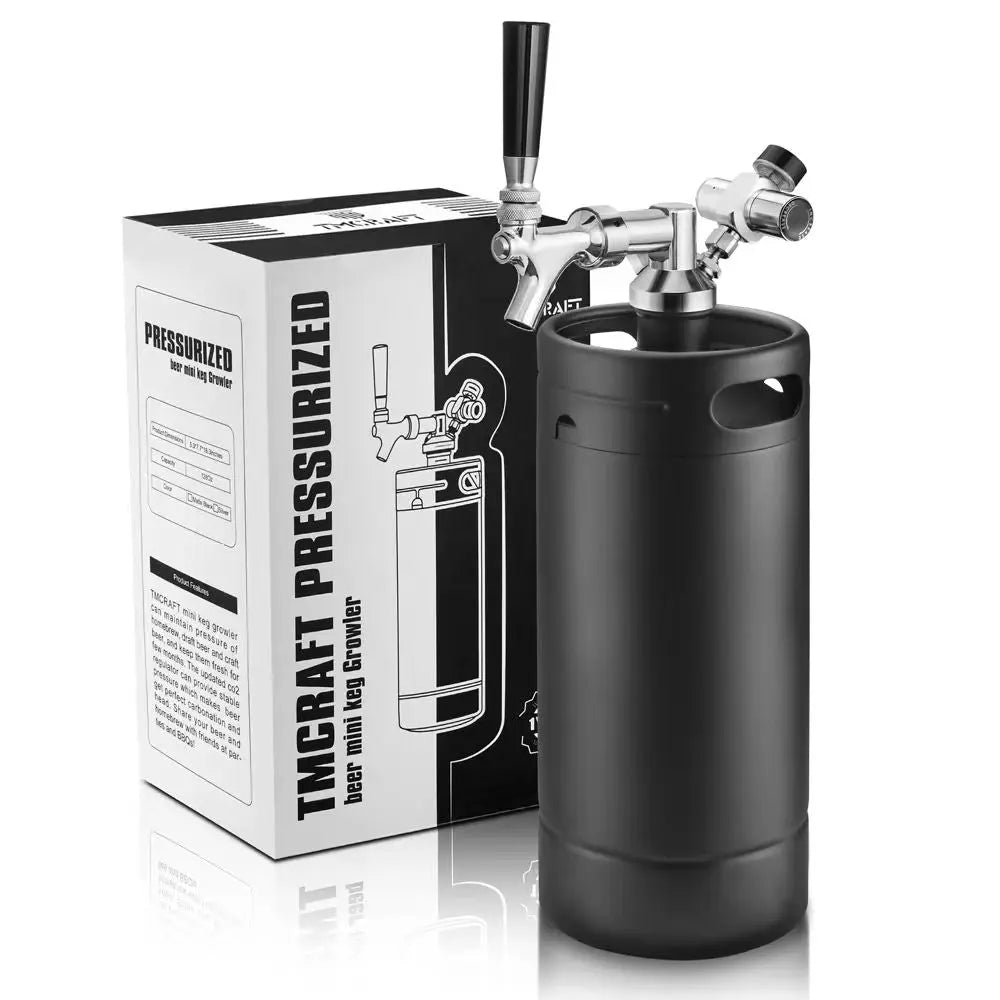
A mini keg is a small, pressurized stainless steel keg designed to store and dispense beer using CO₂. Common sizes include 64 oz, 128 oz (1 gallon), and 1.3 gallons, making them ideal for test batches, limited-space brewing, and portable use.
Unlike growlers or bottles, a mini keg:
- Holds beer under pressure
- Prevents oxygen exposure during dispensing
- Allows carbonation control
- Dispenses beer through a tap system
TMCRAFT Mini Kegs are made from food-grade stainless steel, ensuring durability, pressure safety, and flavor neutrality.
Why Mini Kegs Keep Beer Fresher
Oxygen Is the Enemy of Fresh Beer
Oxygen exposure causes oxidation, which leads to stale flavors, muted hops, and cardboard-like aromas. Bottles and growlers introduce oxygen during filling—and again every time they are opened.
Mini kegs solve this problem by:
- Remaining sealed from first pour to last
- Using CO₂ to replace dispensed beer
- Preventing air from entering the keg
As a result, beer stored in a mini keg stays fresh, carbonated, and aromatic far longer than beer stored in traditional containers.
Carbonation Control: A Key Advantage of Mini Kegs
With bottles, carbonation is fixed at bottling. With mini kegs, carbonation is adjustable.
How Carbonation Works in a Mini Keg
Carbonation occurs when CO₂ dissolves into cold beer under pressure. Mini kegs allow brewers to:
- Force carbonate beer quickly
- Adjust pressure by beer style
- Re-carbonate beer if needed
- Avoid inconsistent carbonation levels
TMCRAFT Mini Kegs are compatible with CO₂ cartridges and regulators, giving brewers precise control over pressure.
How to Carbonate Beer in a Mini Keg
Method 1: Force Carbonation (Most Common)
- Chill beer completely (near 38°F / 3°C)
- Connect CO₂ and set pressure to 20–25 PSI
- Hold pressure for 24–48 hours
- Reduce to serving pressure (8–12 PSI)
This method produces consistent carbonation with minimal wait time.
Method 2: Natural Carbonation
Some brewers prefer to add priming sugar and allow beer to carbonate naturally inside the mini keg. While possible, this method requires careful pressure management and is less predictable.
Mini Keg vs Bottles vs Growlers
| Feature | Mini Keg | Bottles | Growlers |
|---|---|---|---|
| Oxygen Protection | Excellent | Moderate | Poor |
| Carbonation Control | Adjustable | Fixed | None |
| Draft Dispensing | Yes | No | No |
| Reusability | High | Moderate | Moderate |
| Portability | High | Medium | High |
| Freshness After Opening | Days–Weeks | Single bottle | 1–2 days |
For brewers who value fresh beer and convenience, mini kegs clearly outperform growlers and bottles.
Portability: Beer Anywhere, Without Compromise
Mini kegs are especially popular because they make draft beer portable. They are ideal for:
- Camping trips
- Backyard parties
- Tailgating
- Apartment living
- Office or home bar setups
TMCRAFT offers double-walled mini kegs, which help maintain temperature longer—especially useful for outdoor use.
Serving Beer from a Mini Keg
Mini kegs can be paired with:
- Picnic taps
- Faucet dispensers
- Portable tap systems
Serving pressure typically ranges from 8–12 PSI, depending on beer style and line length. Proper pressure ensures smooth pours without excessive foam.
Cleaning and Maintenance Best Practices
One advantage of mini kegs is simplified cleaning compared to bottling.
Cleaning Steps:
- Rinse immediately after emptying
- Soak with brewery-safe cleaner (PBW or equivalent)
- Rinse thoroughly
- Sanitize before next fill
TMCRAFT Mini Kegs feature wide openings that make cleaning easier and more effective.
Why TMCRAFT Mini Kegs Stand Out
Not all mini kegs are created equal. TMCRAFT Mini Kegs are designed specifically for homebrewing and beverage dispensing, not single-use novelty applications.
Key advantages include:
- Thick, pressure-rated stainless steel
- Reliable sealing systems
- Compatibility with multiple tap and CO₂ setups
- Long service life with replaceable parts
These features make TMCRAFT Mini Kegs suitable for both beginners and experienced brewers.
Who Should Use a Mini Keg?
Mini kegs are ideal for:
- Small-batch homebrewers
- Brewers testing new recipes
- Craft beer enthusiasts seeking fresher pours
- Coffee and cocktail kegging applications
- Anyone without space for a full keg system
They offer professional results without professional-level complexity.
Final Thoughts: A Smart Upgrade for Modern Homebrewers
Mini kegs represent a shift toward freshness-first homebrewing. By reducing oxygen exposure, improving carbonation control, and enabling true draft service anywhere, they deliver clear advantages over bottles and growlers.
For brewers looking to upgrade without committing to a full-size keg system, TMCRAFT Mini Kegs provide a balanced, reliable, and future-proof solution.
Link to: Mini Kegs Explained: The Smart Way to Store, Carbonate, and Serve Fresh Homebrew Anywhere