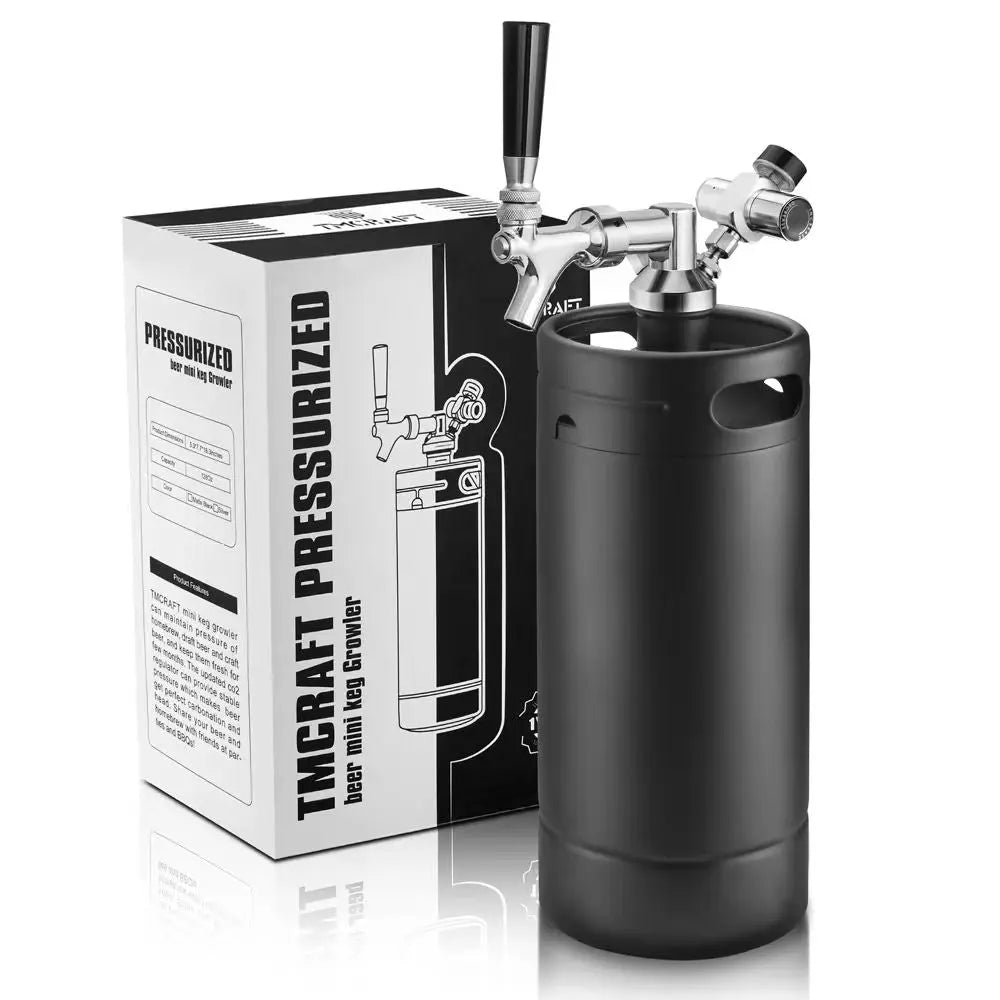


Mini Kegs Explained: How Small Draft Systems Preserve Freshness Better Than Bottles and Growlers
Primary SEO Keywords
mini keg, mini keg system, stainless steel mini keg
Secondary SEO Keywords
portable draft system, growler alternative, home draft beer, pressurized beer container
Introduction: The Real Problem With Portable Beer Storage
For years, beer drinkers have accepted compromises when serving draft-style beer outside of bars and breweries. Bottles go flat once opened. Growlers lose freshness within a day or two. Full-size kegerators are expensive, heavy, and impractical for many homes. These limitations created a gap in the market—one that the mini keg was designed to solve.
A mini keg is not simply a smaller container. It is a compact draft system that controls oxygen exposure, pressure, and carbonation in a way traditional containers cannot. As more consumers prioritize beer quality and flexibility, mini kegs have become an essential tool for home drinkers, outdoor use, and small-batch brewing.
This article explains what makes mini kegs different, how they function, and why they have become one of the most effective ways to maintain draft-quality beverages without a full kegerator setup.
What Is a Mini Keg System?
A mini keg system is a small-capacity, pressurized stainless steel keg designed to store and dispense beverages under controlled pressure. Most mini kegs range from 64 oz to 128 oz and are engineered to fit inside standard refrigerators or portable coolers.
Unlike non-pressurized containers, mini kegs are built to:
- Maintain internal pressure
- Prevent oxygen ingress
- Dispense beverages through a tap or faucet
- Support carbonation stability over time
These features allow mini kegs to replicate the same principles used in commercial draft systems—on a smaller scale.
Why Bottles and Growlers Fail at Freshness
Understanding the advantage of a mini keg starts with understanding why other containers fail.
Oxygen Exposure
Every time a bottle or growler is opened, oxygen enters the container. Oxygen reacts with compounds in beer, dulling hop aroma and creating stale flavors.
Pressure Loss
Carbonation relies on pressure. Once pressure escapes, CO₂ comes out of solution, leaving beer flat.
Inconsistent Storage Conditions
Growlers and bottles are often stored without temperature control, further accelerating flavor degradation.
Mini kegs eliminate these variables by maintaining a sealed, pressurized environment from the first pour to the last.
How Mini Kegs Work
A mini keg operates as a closed-loop dispensing system.
- Beer is transferred into the keg
- The lid seals the container airtight
- CO₂ is introduced to establish pressure
- Beer exits through the dip tube and tap
- CO₂ replaces displaced liquid—not air
This system ensures carbonation remains stable and oxygen never contacts the beverage during serving.
The Role of Pressure in Flavor Stability
Carbonation and flavor are directly linked to pressure. According to gas solubility principles, CO₂ remains dissolved in beer only when sufficient pressure is applied.
Mini kegs allow users to:
- Set precise pressure levels
- Adjust carbonation based on temperature
- Maintain consistent mouthfeel
Without pressure control, even high-quality beer deteriorates quickly.
Why Stainless Steel Is Essential for Mini Kegs
Material choice has a direct impact on taste and durability.
Food-grade stainless steel offers:
- No flavor absorption
- No chemical leaching
- Resistance to acidic beverages
- Long-term pressure durability
Plastic and glass alternatives often retain odors or degrade over time. TMCRAFT mini kegs use high-grade stainless steel to ensure long service life and clean flavor delivery.
Mini Kegs for Different Lifestyles
Home Use Without a Kegerator
Mini kegs fit easily into household refrigerators, making them ideal for apartments or small homes where full draft systems are impractical.
Outdoor and Mobile Use
For camping, tailgating, or backyard gatherings, mini kegs offer a durable and portable alternative to glass containers.
Home Brewing and Small Batches
Home brewers use mini kegs to store finished beer, carbonate accurately, and serve test batches without committing to large kegs.
Choosing the Right Mini Keg Size
64 oz Mini Keg
Best for:
- Individual use
- Limited fridge space
- Frequent beer rotation
128 oz Mini Keg
Best for:
- Small groups
- Weekend events
- Extended freshness
TMCRAFT 128 oz mini kegs feature double-walled construction to improve temperature and pressure retention.
Gas Compatibility and Regulation
A reliable mini keg system must support stable gas input.
High-quality systems allow:
- CO₂ cartridge use
- External CO₂ tanks
- Adjustable regulators
This flexibility ensures consistent pours and prevents over-carbonation or foaming issues.
Cleaning and Long-Term Maintenance
Cleanliness is essential for beverage quality.
Recommended practices include:
- Rinsing immediately after use
- Using brewery-approved cleaning solutions
- Disassembling taps and seals regularly
- Allowing full air-drying before storage
Proper maintenance extends seal life and preserves flavor integrity.
Common Mini Keg Errors to Avoid
-
Over-pressurizing the keg
Leads to excessive foam and seal wear. -
Serving warm beer
Temperature instability causes foaming. -
Neglecting seal inspection
Worn O-rings lead to pressure loss.
Understanding these basics dramatically improves user experience.
Mini Kegs Beyond Beer
Mini kegs are increasingly used for:
- Cold brew coffee
- Kombucha
- Sparkling water
- Pre-mixed cocktails
Their versatility makes them a multi-beverage dispensing solution.
Why TMCRAFT Mini Kegs Are Designed for Reliability
TMCRAFT mini kegs are engineered with:
- Precision-sealed lids
- Pressure-stable construction
- Food-grade stainless steel
- Compatibility with standard gas systems
This design focus ensures consistent performance across home and mobile use cases.
Final Thoughts: Are Mini Kegs Worth Using?
A mini keg system solves the most common problems associated with portable beer storage: oxidation, pressure loss, and inconsistent dispensing. By combining stainless steel construction with controlled pressurization, mini kegs deliver draft-quality beverages in a compact format.
For anyone seeking better freshness without the complexity of full-size draft equipment, mini kegs represent a practical, long-term solution—and a meaningful upgrade over bottles and growlers.
Link to: The Modern Mini Keg Guide: How Compact Keg Systems Deliver Draft-Quality Beer Anywhere