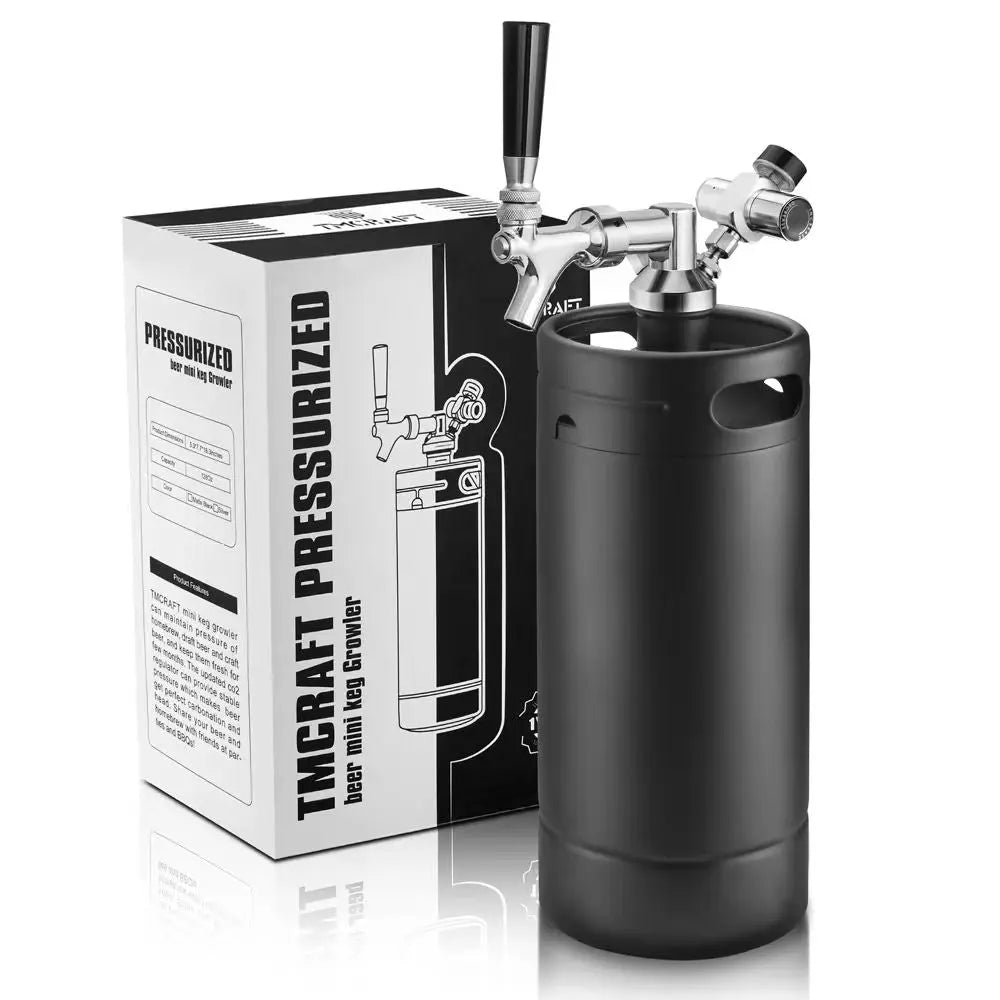


Inside the Pressure System: How Ball Lock Kegs Help You Master Carbonation and Beverage Quality
Understanding the Technology Behind Better Draft Beverages
For many beverage enthusiasts, making a great drink is only the beginning. The next challenge is preserving the flavor, maintaining carbonation, and serving the beverage with consistency.
This is where a ball lock keg becomes an essential tool.
A ball lock keg is more than a storage container. It is a complete pressure-based beverage system that gives users greater control over freshness, carbonation, and dispensing. From homebrewed beer and sparkling water to kombucha and cold brew coffee, ball lock kegs help transform homemade beverages into professional-style draft experiences.
Although the system may appear complex at first, understanding how pressure, connections, and storage work together makes it much easier to achieve better beverage results.
What Is a Ball Lock Keg?
A ball lock keg is a reusable stainless-steel pressure vessel designed to store and dispense beverages using gas pressure.
Unlike traditional bottles or simple containers, a ball lock keg creates a sealed environment where pressure can be controlled. This allows users to carbonate beverages, maintain freshness, and serve directly from a faucet.
The name “ball lock” comes from the quick-disconnect fittings located on the top of the keg. These fittings use locking mechanisms to securely connect gas and liquid lines.
A standard ball lock keg includes:
- Stainless-steel keg body
- Removable lid
- Pressure relief valve
- Gas post
- Liquid post
- Dip tubes
- Quick-disconnect fittings
Each component works together to create a reliable draft system.
How Pressure Works Inside a Ball Lock Keg
Pressure is the foundation of a kegging system.
Inside a sealed keg, gas pressure affects how beverages are stored and served. Carbon dioxide or nitrogen enters through the gas post, creating pressure above the liquid.
This pressure performs two important functions:
Maintaining Carbonation
For carbonated beverages, gas pressure helps keep CO₂ dissolved in the liquid. This allows drinks such as beer and sparkling water to maintain their desired level of carbonation.
Dispensing the Beverage
When the faucet is opened, pressure pushes the beverage through the liquid dip tube and out through the serving line.
Without controlled pressure, beverages may become flat, over-carbonated, or difficult to pour.
Understanding the Gas Post and Liquid Post
One of the most important features of a ball lock keg is the separation between gas and liquid connections.
Gas Post: Controlling Pressure Input
The gas post is where the CO₂ or nitrogen line connects.
Its purpose is to:
- Introduce gas into the keg
- Maintain internal pressure
- Support carbonation
The gas enters the headspace above the beverage, creating the pressure needed for storage and dispensing.
Liquid Post: Delivering the Beverage
The liquid post connects to the beverage line.
Inside the keg, a long dip tube extends almost to the bottom. When pressure is applied, the beverage moves upward through the tube and travels to the faucet.
This design allows the keg to provide consistent pours from the first serving to the last.
Why Ball Lock Kegs Improve Beverage Quality
A major advantage of ball lock kegs is the ability to control the environment where beverages are stored.
Many beverages are sensitive to oxygen. Exposure to air can change flavors, reduce freshness, and affect overall quality.
A sealed keg system helps reduce these problems.
Better Freshness Protection
The stainless-steel body creates a strong barrier against light and oxygen, helping preserve beverage characteristics.
More Consistent Flavor
Because the beverage remains in one controlled environment, each serving maintains a similar taste profile.
Reduced Packaging Waste
Unlike single-use bottles and cans, reusable kegs can be cleaned and refilled many times.
For beverage makers who value quality and sustainability, ball lock kegs provide an efficient solution.
Carbonation Control: The Advantage of a Pressure-Based System
Carbonation is one of the biggest reasons people choose ball lock kegs.
Different beverages require different carbonation levels.
For example:
- Light beers often need moderate carbonation
- Sparkling water requires higher carbonation
- Kombucha needs balanced pressure
- Nitro coffee uses nitrogen instead of traditional carbonation
A ball lock keg allows users to adjust carbonation based on their preferences.
Important factors include:
Temperature
Cold beverages absorb gas more effectively than warm beverages.
Pressure Level
Higher pressure increases carbonation, while lower pressure provides gentler carbonation.
Time
Carbonation usually requires patience. Allowing enough time helps gas dissolve evenly throughout the beverage.
This control gives home beverage makers much more flexibility than traditional storage methods.
Building a Ball Lock Keg System
A complete ball lock keg setup includes several essential components.
Stainless-Steel Keg
The keg itself provides the storage chamber.
Food-grade stainless steel is preferred because it offers:
- Long-lasting durability
- Corrosion resistance
- Easy cleaning
- Minimal flavor transfer
CO₂ Tank
A CO₂ tank provides the gas required for carbonation and dispensing.
For beer and sparkling beverages, carbon dioxide is the most common choice.
Pressure Regulator
The regulator controls how much pressure enters the keg.
It allows users to adjust the system according to the beverage type and desired serving style.
Gas and Beverage Lines
These connect the keg to the gas supply and faucet.
Properly balanced lines help prevent issues such as excessive foam or slow pouring.
Faucet or Draft Tap
The faucet controls the final serving process.
A quality dispensing system improves both convenience and presentation.
Ball Lock Kegs Are Useful Beyond Homebrewing
Many people first discover ball lock kegs through beer brewing, but their applications are much broader.
Craft Beer
For homebrewers, ball lock kegs simplify storage and serving.
Instead of filling many bottles individually, brewers can transfer an entire batch into one keg and serve directly from a tap.
Sparkling Water
A ball lock keg makes homemade sparkling water easier to prepare and serve.
Users can create customized drinks with:
- Fresh fruit flavors
- Herbs
- Natural extracts
- Seasonal ingredients
Cold Brew Coffee
Cold brew coffee benefits from sealed storage because oxygen can affect flavor over time.
A ball lock keg allows coffee lovers to prepare larger batches and serve fresh coffee whenever needed.
Kombucha and Fermented Beverages
Fermented drinks often require careful pressure management. A keg system provides a convenient way to store and dispense these beverages.
Common Ball Lock Keg Problems and Solutions
Even beginners can quickly master keg systems by understanding common issues.
Problem: Excessive Foam
Possible causes:
- Beverage temperature is too warm
- Pressure is too high
- Beverage lines are not balanced
Solutions:
- Chill the beverage properly
- Adjust pressure settings
- Check serving equipment
Problem: Flat Beverage
Possible causes:
- Insufficient carbonation time
- Low pressure
- Poor sealing
Solutions:
- Allow more carbonation time
- Check connections
- Increase pressure carefully
Problem: Gas Leakage
Possible causes:
- Damaged O-rings
- Loose connections
- Worn seals
Solutions:
- Inspect fittings
- Replace damaged parts
- Ensure connections are properly secured
Cleaning and Maintenance: The Key to Long-Term Performance
A quality keg system depends on proper maintenance.
After every use:
Step 1: Empty and Rinse
Remove remaining beverage and rinse the keg thoroughly.
Step 2: Clean Internal Components
Pay special attention to:
- Dip tubes
- Posts
- Lid seals
- Beverage lines
Step 3: Sanitize Before Refilling
Sanitation helps prevent unwanted flavors and keeps beverages tasting fresh.
Step 4: Inspect Regularly
Check:
- O-rings
- Pressure valves
- Connectors
Replacing small components when needed helps maintain reliable performance.
Choosing the Right Ball Lock Keg Size
Ball lock kegs come in various capacities for different needs.
Smaller Kegs
Suitable for:
- Experimenting with recipes
- Limited storage space
- Small beverage batches
Medium Kegs
Good for:
- Regular home use
- Family gatherings
- Frequent brewing
Larger Kegs
Ideal for:
- Larger batches
- Events
- Advanced homebrew setups
The best size depends on your beverage habits and available space.
Why Ball Lock Kegs Are Becoming More Popular
The growing popularity of ball lock kegs reflects a change in how people enjoy beverages.
Modern enthusiasts want:
- Fresh flavors
- More control
- Less waste
- Custom recipes
- Professional serving experiences
A ball lock keg provides all of these advantages in a reusable and flexible system.
Final Thoughts: Mastering the Art of Beverage Control
A ball lock keg gives beverage enthusiasts something traditional containers cannot: control.
By managing pressure, carbonation, storage, and dispensing, users can improve the quality of their favorite drinks while enjoying a more convenient serving experience.
Whether you are brewing beer, making sparkling water, preparing cold brew coffee, or exploring new beverage ideas, understanding how a ball lock keg works is the first step toward creating better drinks at home.
Link to: Ball Lock Keg Basics: Understanding Connections, Carbonation, and Better Beverage Control