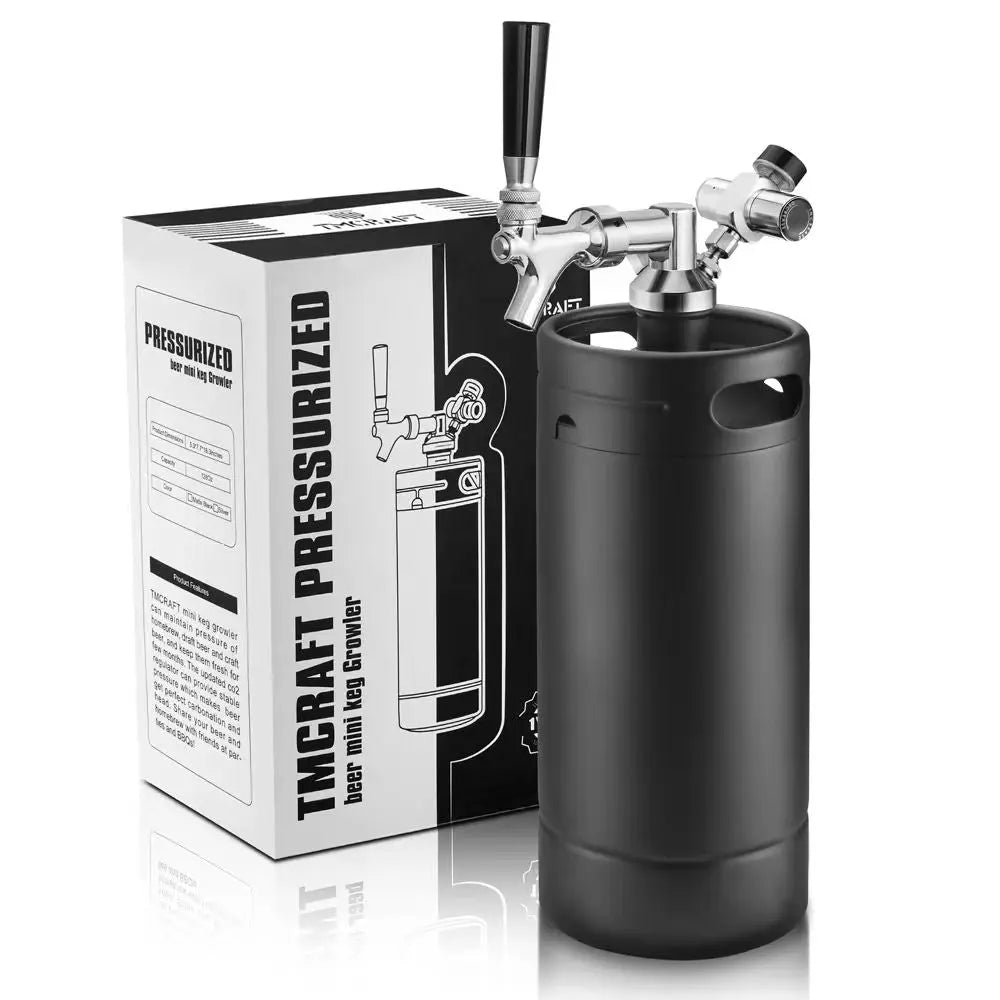


Ball Lock Keg Basics: Understanding Connections, Carbonation, and Better Beverage Control
Creating a great beverage is only one part of the process. For homebrewers, coffee enthusiasts, and craft beverage makers, keeping that beverage fresh, properly carbonated, and easy to serve is equally important.
This is why ball lock kegs have become an essential tool for many beverage enthusiasts.
A ball lock keg provides a professional-style storage and dispensing solution in a reusable stainless-steel format. Unlike bottles or simple containers, it gives users greater control over pressure, carbonation, and serving. From homemade beer to sparkling water, kombucha, and cold brew coffee, a ball lock keg can help improve both quality and convenience.
For beginners, the different fittings and pressure components may seem complicated at first. However, once the basic structure is understood, a ball lock keg system becomes a practical and rewarding addition to any beverage setup.
What Is a Ball Lock Keg?
A ball lock keg is a pressurized stainless-steel container designed to store and dispense beverages using gas pressure.
The term “ball lock” refers to the quick-connect fittings located on the top of the keg. These fittings use small locking mechanisms that securely attach gas and liquid lines to the keg posts.
Unlike ordinary beverage containers, a ball lock keg is designed as an active serving system. It does not simply hold liquid—it helps maintain beverage quality through controlled pressure and sealed storage.
A typical ball lock keg includes:
- Stainless-steel keg body
- Lid with sealing gasket
- Pressure relief valve
- Gas post
- Liquid post
- Dip tubes
- Quick-disconnect fittings
Each component plays an important role in storing and serving beverages correctly.
Understanding the Two Connections: Gas Side and Liquid Side
One of the most important things to understand about ball lock kegs is the difference between the two connection points.
Gas Post
The gas post is where carbon dioxide or nitrogen enters the keg.
Its main functions include:
- Pressurizing the keg
- Maintaining carbonation
- Pushing beverage toward the faucet
The gas line connects from the CO₂ tank and regulator to this post.
Liquid Post
The liquid post connects to the beverage line.
Inside the keg, a long dip tube reaches near the bottom of the container. When pressure is applied, the beverage travels through this tube and exits through the faucet.
Understanding these two connections helps prevent setup mistakes and ensures the keg works properly.
How Ball Lock Kegs Improve Beverage Freshness
Freshness is one of the biggest advantages of keg storage.
When beverages are exposed to oxygen, quality can decline over time. This is especially noticeable with sensitive products such as craft beer and cold brew coffee.
A ball lock keg creates a sealed environment that helps protect beverages from unnecessary oxygen exposure.
Benefits include:
Better Flavor Preservation
The sealed stainless-steel environment helps maintain the original character of the beverage.
Reduced Carbonation Loss
Pressure control allows carbonated drinks to maintain their desired level of fizz.
Consistent Serving Quality
Each pour can remain closer to the original recipe instead of changing significantly over time.
For anyone who spends time creating high-quality beverages, protecting freshness is just as important as the brewing or preparation process itself.
Carbonation Control: The Key Advantage of a Ball Lock System
One of the main reasons people choose ball lock kegs is the ability to control carbonation.
Different beverages require different carbonation levels.
For example:
- Beer styles have different carbonation preferences
- Sparkling water requires strong carbonation
- Kombucha benefits from controlled pressure
- Nitro coffee requires gas infusion rather than traditional carbonation
With a ball lock keg system, users can adjust:
- Gas pressure
- Carbonation time
- Serving pressure
- Temperature
Cold temperatures generally allow beverages to absorb gas more effectively, while pressure adjustments help achieve the desired final result.
This level of control is difficult to achieve with bottles or traditional storage containers.
Building a Ball Lock Keg System
A complete ball lock keg setup consists of several connected parts.
Stainless-Steel Keg
The keg itself stores the beverage and provides a pressurized environment.
Food-grade stainless steel is preferred because it is:
- Durable
- Corrosion resistant
- Easy to clean
- Suitable for repeated use
CO₂ Tank and Regulator
The CO₂ tank supplies the gas needed for carbonation and dispensing.
The regulator controls the pressure entering the keg, allowing users to adjust the system according to the beverage type.
Gas and Beverage Lines
These connect the keg to the gas source and faucet.
Quality lines help maintain consistent pressure and reduce serving problems such as excessive foam.
Faucet or Dispensing System
The faucet controls the final pour.
A properly balanced system provides a smooth, attractive pour with the right amount of foam and carbonation.
Ball Lock Kegs Are Not Only for Beer
Many people first discover ball lock kegs through homebrewing, but their uses extend far beyond beer.
Craft Beer
For homebrewers, ball lock kegs provide an easier alternative to bottling. Large batches can be stored and served directly without filling dozens of individual bottles.
Sparkling Water
A keg system allows users to carbonate and serve homemade sparkling water with customized flavors.
Popular additions include:
- Citrus fruits
- Herbs
- Natural flavor extracts
- Fresh fruit combinations
Cold Brew Coffee
Coffee enthusiasts can use ball lock kegs to store cold brew and create convenient draft coffee systems.
The sealed environment helps reduce oxidation, while the dispensing system makes serving fast and consistent.
Kombucha and Fermented Drinks
Ball lock kegs are also useful for fermented beverages because they provide controlled pressure and easy dispensing.
Cleaning and Maintenance: Protecting Beverage Quality
A well-maintained keg produces better results.
Because beverages come into direct contact with the inside surfaces, regular cleaning is essential.
Step 1: Rinse After Use
Empty the keg completely and rinse away leftover beverage residue.
Step 2: Clean Thoroughly
Use a suitable beverage equipment cleaner to remove buildup from the keg body, posts, and dip tubes.
Step 3: Sanitize Before Filling
Sanitization helps prevent unwanted microorganisms from affecting flavor.
Step 4: Inspect Components
Regularly check:
- O-rings
- Seals
- Connectors
- Pressure valves
Replacing worn parts helps prevent leaks and keeps the system working efficiently.
Common Beginner Mistakes With Ball Lock Kegs
A ball lock keg system is simple once understood, but beginners often encounter a few common issues.
Incorrect Gas and Liquid Connections
Connecting the wrong lines can prevent proper dispensing.
Always confirm which post is designed for gas and which is designed for liquid.
Poor Temperature Control
Warm beverages are harder to carbonate and may create excessive foam.
Cooling the beverage before carbonation improves results.
Neglecting Cleaning
Residue inside lines or fittings can affect flavor and performance.
Regular maintenance is essential for consistent quality.
Using Incorrect Pressure
Too much pressure may create foamy pours, while too little pressure can lead to flat beverages.
Finding the right balance is part of learning how your system works.
Choosing the Right Ball Lock Keg Size
Ball lock kegs come in various capacities to fit different needs.
Smaller Ball Lock Kegs
Suitable for:
- Home experiments
- Limited refrigerator space
- Small beverage batches
They are ideal for beginners learning kegging.
Larger Ball Lock Kegs
Better for:
- Frequent brewing
- Larger gatherings
- Commercial-style home setups
Choosing the right size depends on your beverage habits, storage space, and serving goals.
Why Ball Lock Kegs Are a Smart Investment
A ball lock keg is not just another piece of beverage equipment. It is a long-term tool that provides more control over the entire serving process.
Compared with disposable packaging, reusable keg systems offer:
- Less waste
- More customization
- Better freshness management
- Easier serving
- Professional-style results
For people who enjoy making and sharing beverages, a ball lock keg can completely change the experience.
Final Thoughts: More Control, Better Beverages
Ball lock kegs have become popular because they combine professional beverage technology with home-friendly convenience.
By understanding the connections, pressure system, cleaning requirements, and serving methods, anyone can build a reliable draft setup.
Whether your goal is serving homemade beer, creating sparkling drinks, experimenting with cold brew coffee, or exploring new beverage ideas, a ball lock keg gives you the control needed to achieve better flavor and a more enjoyable drinking experience.
Link to: From Homebrew to Draft System: How Ball Lock Kegs Give You More Control Over Your Beverages