

Inside a Ball Lock Keg System: Connections, Pressure, and Why Brewers Trust It
Primary SEO Keywords
ball lock keg, ball lock keg system, stainless steel ball lock keg
Secondary SEO Keywords
home brewing keg, draft beer system, pressurized keg, ball lock fittings, keg carbonation
Introduction: Why Keg Design Matters More Than Most Brewers Realize
When people think about draft beer quality, they often focus on recipes, yeast, or hops. Yet in home brewing and small draft setups, one of the most critical factors is the container itself. The ball lock keg has become the preferred standard not because it is trendy, but because its design solves practical problems that brewers face every day: pressure control, sanitation, and system compatibility.
Unlike traditional commercial kegs or improvised containers, a ball lock keg is engineered for repeated use, precise control, and easy integration with modern draft systems. This article breaks down how ball lock kegs work, what makes them different, and why they are trusted by home brewers, pilot brewers, and beverage professionals alike.
What Is a Ball Lock Keg?
A ball lock keg is a reusable stainless steel keg that uses quick-disconnect ball lock fittings for both gas and liquid connections. These fittings rely on internal ball bearings that lock the connector firmly onto the post, creating a secure, pressure-tight seal.
Ball lock kegs were originally designed for soda dispensing, where consistent pressure and sanitation were essential. Home brewers quickly adopted them because those same requirements apply to beer, coffee, kombucha, and other beverages.
The Anatomy of a Ball Lock Keg
Understanding the components of a ball lock keg explains why the system is so reliable.
Stainless Steel Keg Body
The keg body is pressure-rated and made from food-grade stainless steel. This material does not absorb flavors, resists corrosion, and withstands repeated pressurization cycles.
Lid With Pressure Relief Valve (PRV)
The removable lid creates an airtight seal and includes a pressure relief valve. The PRV allows excess pressure to be released safely and makes it easy to depressurize the keg before opening.
Gas-In and Liquid-Out Posts
Ball lock kegs use two separate posts:
- Gas-in post: Introduces CO₂ or nitrogen into the keg
- Liquid-out post: Dispenses the beverage through the dip tube
The posts are intentionally different sizes to prevent accidental cross-connection.
Internal Dip Tubes
Dip tubes guide gas and liquid to the correct locations inside the keg, ensuring smooth dispensing and minimal waste.
How a Ball Lock Keg System Works
A ball lock keg operates as a closed, pressurized system.
- Beverage is transferred into the keg
- The lid is sealed airtight
- Gas pressure is applied through the gas-in post
- Pressure forces liquid up the dip tube
- Beverage exits through the liquid-out post
As liquid leaves the keg, gas replaces the volume—never air. This prevents oxidation and preserves carbonation and flavor stability.
Why Brewers Prefer Ball Lock Kegs
Reliable Pressure Control
Carbonation depends on stable pressure. Ball lock keg systems allow brewers to fine-tune pressure levels based on temperature and beverage style, resulting in predictable carbonation and mouthfeel.
Secure, Leak-Resistant Connections
Ball lock fittings are designed to stay connected under pressure. Once locked, they resist vibration and accidental disconnection, reducing gas leaks and pressure loss.
Modular, Scalable Design
Ball lock kegs integrate easily with:
- Regulators and manifolds
- Kegerators and keezer builds
- Portable draft systems
This modularity allows brewers to expand their setup without replacing existing equipment.
Ball Lock Keg vs Other Keg Types
Ball Lock vs Pin Lock
Pin lock kegs use mechanical pins to secure fittings. While functional, they are bulkier and less standardized than ball lock systems. Most modern accessories are designed around ball lock compatibility.
Ball Lock vs Sankey Kegs
Commercial Sankey kegs are durable but require specialized couplers and are difficult to clean internally. Ball lock kegs are easier to disassemble, clean, and maintain, making them better suited for small-scale use.
Cleaning and Sanitation Advantages
Sanitation is essential for consistent beverage quality.
Ball lock kegs allow full disassembly, making it easy to:
- Remove posts and dip tubes
- Inspect and replace O-rings
- Clean all internal surfaces
This level of access significantly reduces contamination risk compared to sealed or disposable containers.
Choosing the Right Ball Lock Keg Size
Smaller Ball Lock Kegs (2.5–3 Gallons)
Ideal for:
- Test batches
- Limited refrigerator space
- Faster carbonation cycles
Standard Ball Lock Kegs (5 Gallons)
Ideal for:
- Full home brew batches
- Shared consumption
- Longer serving periods
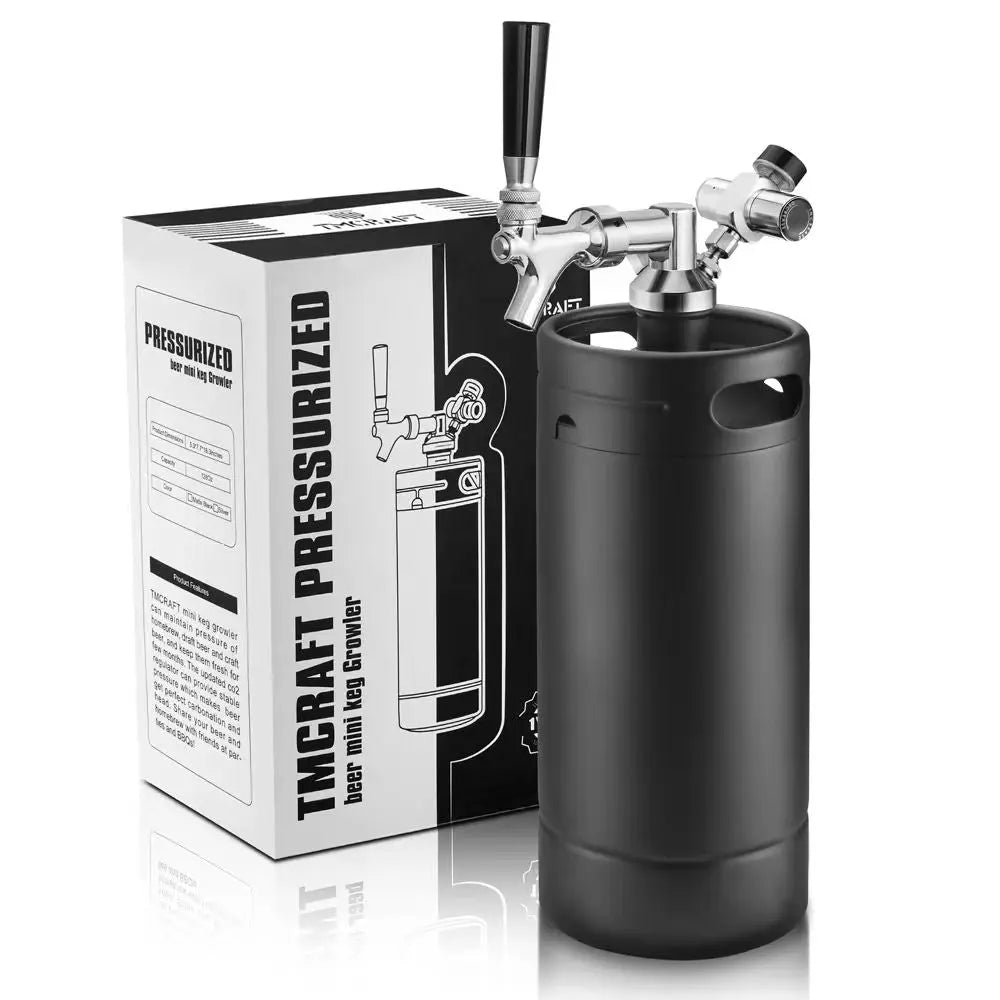
TMCRAFT offers ball lock kegs designed for efficient storage and easy handling across size ranges.
Material Quality and Long-Term Durability
Not all ball lock kegs are manufactured to the same standard.
High-quality stainless steel and precision-machined posts ensure:
- Consistent sealing
- Resistance to acidic beverages
- Long service life
Inferior materials can lead to warped lids, worn threads, and unreliable pressure retention.
Common Ball Lock Keg Mistakes
-
Connecting gas to the wrong post
Always verify post orientation before pressurizing. -
Neglecting O-ring replacement
Small seals play a big role in pressure stability. -
Over-carbonating the keg
Excess pressure causes foaming and uneven pours.
Avoiding these mistakes improves reliability and beverage quality.
Ball Lock Kegs Beyond Beer
Ball lock kegs are widely used for:
- Cold brew coffee
- Nitro beverages
- Kombucha
- Sparkling water
Their compatibility with different gases makes them a versatile foundation for multi-beverage systems.
Why TMCRAFT Ball Lock Kegs Are Built for Real Use
TMCRAFT ball lock kegs are engineered with:
- Food-grade stainless steel construction
- Precision-fit posts and seals
- Compatibility with standard regulators and gas sources
This design philosophy ensures consistent performance across brewing and dispensing applications.
Final Thoughts: Is a Ball Lock Keg the Right Choice?
A ball lock keg system provides control, cleanliness, and flexibility that bottles and improvised containers cannot match. Its secure connections, modular design, and ease of maintenance make it the most practical choice for home brewers and small draft setups.
For anyone serious about beverage quality and system reliability, investing in a well-built ball lock keg—such as those from TMCRAFT—creates a stable foundation for better brewing and better pours.
Link to: Why Ball Lock Kegs Became the Industry Standard for Home Brewing and Small-Scale Draft Systems