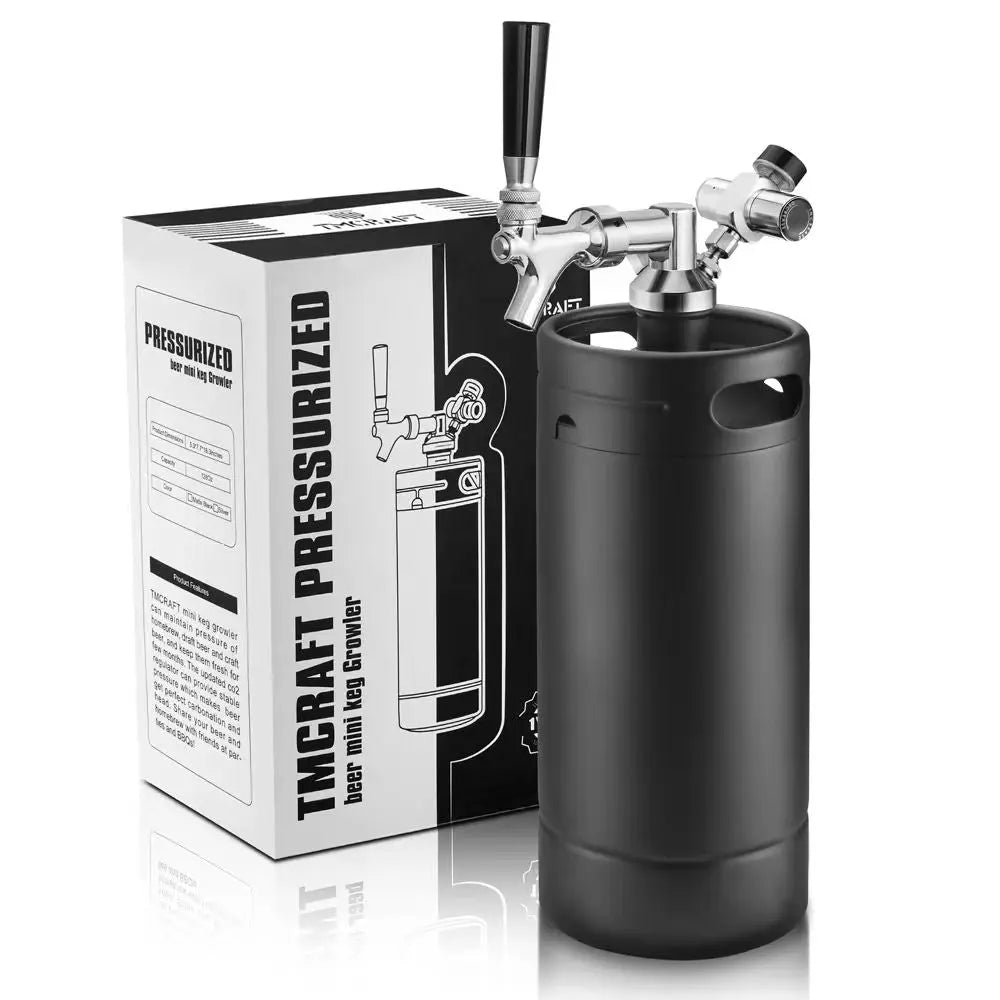


How to Upgrade a Ball Lock Keg System for Better Draft Performance
Primary Keywords:
ball lock keg, upgrade ball lock keg system, stainless steel ball lock keg, ball lock keg setup
Secondary Keywords:
homebrew draft system, keg pressure control, draft beer performance, keg serving upgrades, TMCRAFT ball lock keg
A standard keg setup can pour beer successfully—but a properly upgraded system can dramatically improve draft quality, carbonation stability, and overall user experience.
Many homebrewers eventually realize that better draft performance depends on more than just the beer recipe itself. Small improvements to a ball lock keg system can reduce foam, improve freshness, simplify maintenance, and create smoother pours.
Whether you're building your first draft system or optimizing an existing setup, upgrading the right components can make a major difference.
In this guide, you’ll learn how to upgrade a ball lock keg, which improvements matter most, and how TMCRAFT keg systems support long-term draft performance.
Why Upgrade a Ball Lock Keg System?
A basic setup often works well enough for beginners, but over time users commonly experience:
- Excess foam
- Inconsistent carbonation
- Pressure instability
- Slow pouring
- Flavor loss
- Cleaning difficulties
Upgrades help create a more stable and professional draft system.
Benefits of an Upgraded Ball Lock Keg Setup
A properly optimized ball lock keg system offers:
- Better carbonation control
- Smoother pours
- Reduced beer waste
- Longer freshness retention
- Easier maintenance
- Improved serving consistency
Small adjustments often produce noticeable improvements immediately.
Upgrade #1: Improve CO2 Pressure Control
Pressure stability is one of the most important parts of draft performance.
Low-quality regulators may cause:
- Pressure fluctuation
- Inconsistent carbonation
- Foam problems
Recommended Upgrade
Use a high-quality regulator with:
- Accurate PSI adjustment
- Stable output pressure
- Easy monitoring gauges
Consistent pressure improves both carbonation and pouring quality.
Best PSI Range for Most Beers
For most homebrew styles:
- 10–12 PSI at 36–40°F
Balanced pressure helps maintain ideal carbonation.
Upgrade #2: Use Better Beer Lines
Beer line quality and length directly affect foam control.
Short or poor-quality lines can cause:
- Fast pours
- Excess foam
- Inconsistent dispensing
Recommended Upgrade
Use:
- 3/16" beverage lines
- 5–8 feet for most systems
Longer lines create proper resistance for smoother pours.
Upgrade #3: Install Forward-Sealing Faucets
Standard rear-sealing faucets can trap residue and become sticky.
This affects:
- Hygiene
- Pour quality
- Ease of use
Why Forward-Sealing Faucets Are Better
Benefits include:
- Smoother pouring
- Reduced sticking
- Easier cleaning
- Better sanitation
This is one of the most noticeable serving upgrades.
Upgrade #4: Replace Old O-Rings
Worn O-rings often cause:
- Pressure leaks
- CO2 waste
- Flat beer
Many users overlook this simple upgrade.
Recommended Maintenance
Replace:
- Lid O-rings
- Post O-rings
- Dip tube seals
Regular replacement improves pressure retention significantly.
Upgrade #5: Improve Temperature Stability
Temperature fluctuation causes major draft problems.
Warm beer creates:
- Excess foam
- Carbonation instability
- Poor flavor consistency
Recommended Upgrade
Improve cooling stability with:
- Dedicated kegerator
- Insulated storage
- Temperature controller
Stable temperature improves overall draft performance dramatically.
Upgrade #6: Add a Secondary Regulator
Different beverages require different carbonation levels.
A secondary regulator allows:
- Multiple PSI zones
- Better beverage flexibility
- Simultaneous serving setups
This is especially useful for advanced homebrewers.
Upgrade #7: Use Stainless Steel Components
Low-quality materials wear down over time.
A stainless steel ball lock keg improves durability and hygiene.
Benefits include:
- Better pressure resistance
- Corrosion protection
- Easier cleaning
- Long-term reliability
Stainless steel is the preferred material for serious keg systems.
Upgrade #8: Improve Cleaning Procedures
Dirty systems affect flavor and carbonation.
Residue buildup creates:
- Off-flavors
- Poor pouring
- Foam issues
Recommended Cleaning Routine
Clean regularly:
- Beverage lines
- Faucets
- Dip tubes
- Posts
- Disconnects
Consistent cleaning protects beer quality.
Upgrade #9: Use Better Disconnects
Loose or worn disconnects can leak pressure.
Improved connectors provide:
- Better sealing
- Easier attachment
- More stable gas flow
Reliable fittings reduce maintenance issues.
Upgrade #10: Add a Drip Tray and Organized Draft Station
A clean setup improves usability and presentation.
Benefits include:
- Easier cleanup
- Better workflow
- Professional appearance
Even small organization upgrades improve daily operation.
Common Problems an Upgraded System Can Solve
Problem: Excess Foam
Possible fixes:
- Longer beer lines
- Stable temperature
- Better pressure regulation
Problem: Flat Beer
Possible fixes:
- Leak-free seals
- Stable CO2 pressure
- Better storage conditions
Problem: Inconsistent Pour Speed
Possible fixes:
- Balanced line resistance
- Improved faucets
- Correct PSI settings
Problem: Frequent Maintenance Issues
Possible fixes:
- Stainless steel components
- Better disconnects
- Regular cleaning schedule
Ball Lock Keg vs Basic Bottle Serving
| Feature | Ball Lock Keg System | Bottles |
|---|---|---|
| Carbonation Control | Excellent | Limited |
| Serving Speed | Fast | Slow |
| Draft Quality | Professional | Basic |
| Upgrade Potential | High | Minimal |
| Cleaning Efficiency | Better | Time-consuming |
An upgraded keg system provides a much more advanced brewing experience.
Why Choose TMCRAFT Ball Lock Kegs?
TMCRAFT kegs are designed for reliable performance and system compatibility.
Key features include:
- Food-grade stainless steel construction
- Strong sealing performance
- Standard ball lock compatibility
- Easy-clean interior design
- Excellent pressure handling
- Suitable for beer, kombucha, sparkling water, and coffee
Whether you're upgrading a beginner setup or building a professional home draft station, TMCRAFT supports long-term performance and reliability.
Best Uses for an Upgraded Ball Lock Keg System
A high-performance ball lock keg system is ideal for:
- Homebrew beer
- Craft beer serving
- Multi-keg draft systems
- Kombucha brewing
- Sparkling beverages
- Coffee dispensing systems
Improved setup quality enhances every beverage experience.
Final Verdict
Learning how to upgrade a ball lock keg system helps improve carbonation stability, draft consistency, and overall serving quality.
The most effective upgrades focus on:
- Pressure control
- Temperature stability
- Better dispensing hardware
- Proper maintenance
With a reliable TMCRAFT ball lock keg, building a smoother and more professional draft system becomes easier and more rewarding.
Link to: How Long Does Beer Last in a Ball Lock Keg? Freshness and Storage Guide