

How Long Does Beer Last in a Ball Lock Keg? Freshness and Storage Guide
Primary Keywords:
ball lock keg, how long does beer last in a ball lock keg, ball lock keg storage, stainless steel ball lock keg
Secondary Keywords:
beer freshness in keg, keg beer shelf life, homebrew keg storage, keg carbonation retention, TMCRAFT ball lock keg
One of the biggest advantages of using a ball lock keg is the ability to keep beer fresher for longer compared to bottles or growlers.
But many homebrewers still ask an important question:
How long does beer actually last in a ball lock keg?
The answer depends on several factors, including:
- Temperature
- Pressure stability
- Oxygen exposure
- Sanitation
- Beer style
When properly stored, a ball lock keg system can maintain excellent beer quality for weeks or even months.
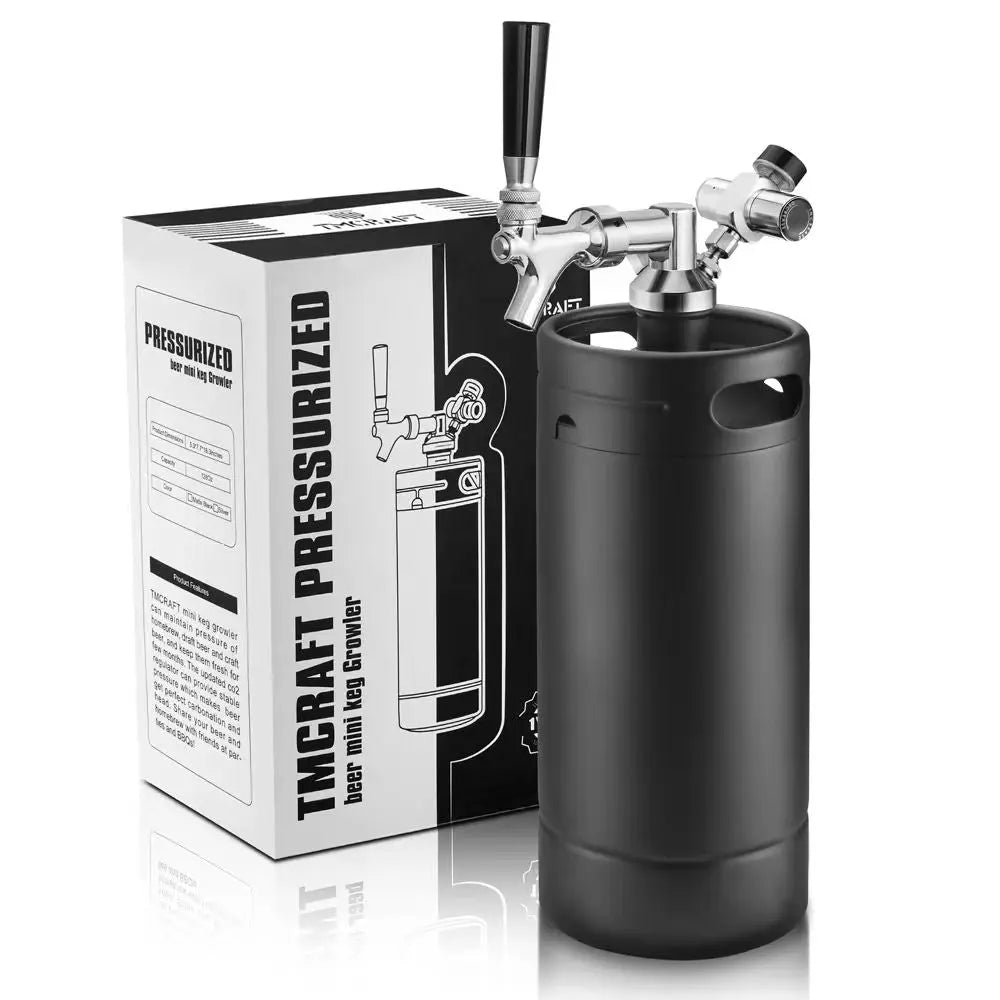
In this guide, you’ll learn how long beer lasts in a ball lock keg, what affects freshness, and how to maximize storage performance with TMCRAFT kegs.
Why Ball Lock Kegs Preserve Beer Better
A ball lock keg is designed to create a sealed, pressurized environment.
This helps protect beer from the two biggest enemies of freshness:
- Oxygen
- Temperature fluctuation
Compared to bottles or growlers, keg systems provide:
- Better carbonation retention
- Reduced oxidation
- More stable flavor
- Controlled dispensing
- Longer shelf life
This is why keg systems are widely preferred by experienced homebrewers.
Average Beer Shelf Life in a Ball Lock Keg
Shelf life varies depending on storage conditions.
Unopened and Properly Pressurized Keg
If refrigerated and sealed correctly:
- Most beers stay fresh for 2–6 months
High-alcohol and darker beers may last even longer.
Opened Ball Lock Keg with CO2 System
When connected to CO2 and refrigerated:
- Beer typically stays fresh for 4–8 weeks
The sealed system continues protecting carbonation and flavor.
Opened Keg Without CO2
Without pressure protection:
- Freshness may decline within a few days
Oxygen exposure increases significantly once pressure is lost.
What Affects Beer Freshness in a Ball Lock Keg?
1. Oxygen Exposure
Oxygen is the biggest cause of stale beer.
Oxidation can create:
- Cardboard-like flavors
- Dull aroma
- Color darkening
- Loss of freshness
A properly sealed stainless steel ball lock keg minimizes oxygen exposure.
2. Storage Temperature
Beer freshness improves dramatically under cold storage.
Ideal temperature:
- 36°F to 40°F (2°C to 4°C)
Warm storage accelerates flavor degradation.
3. Pressure Stability
Consistent CO2 pressure helps maintain:
- Carbonation
- Flavor balance
- Pour quality
Most beers serve well at:
- 10–12 PSI
Pressure leaks reduce shelf life significantly.
4. Sanitation
Dirty keg systems shorten beer life quickly.
Poor cleaning can introduce:
- Bacteria
- Wild yeast
- Off-flavors
Always sanitize before filling.
5. Beer Style
Some beer styles naturally store longer.
Beers with Longer Shelf Life
- Stouts
- Porters
- Strong ales
- Imperial styles
Beers with Shorter Shelf Life
- IPAs
- Hazy beers
- Hop-forward styles
Hop aroma fades faster over time.
Best Practices for Ball Lock Keg Storage
Keep the Keg Refrigerated
Cold temperatures preserve flavor and carbonation.
Avoid repeated warming and cooling cycles.
Maintain Proper CO2 Pressure
Consistent pressure prevents oxidation and flat beer.
Check for Leaks Regularly
Inspect:
- O-rings
- Gas posts
- Disconnects
- Lid seals
Small leaks can ruin long-term freshness.
Avoid Excessive Opening
Opening the keg exposes beer to oxygen.
Use a tap dispensing system whenever possible.
Clean Thoroughly After Every Batch
Always clean:
- Dip tubes
- Posts
- Poppets
- Beverage lines
- Faucet components
Good sanitation supports long-term performance.
Ball Lock Keg vs Bottles for Beer Storage
| Feature | Ball Lock Keg | Bottles |
|---|---|---|
| Oxygen Exposure | Very Low | Moderate |
| Carbonation Stability | Excellent | Variable |
| Serving Convenience | High | Low |
| Shelf Life After Opening | Longer | Shorter |
| Cleaning Time | Moderate | High |
A ball lock keg system offers better freshness control overall.
Common Storage Mistakes to Avoid
Warm Storage
Heat accelerates flavor loss.
Inconsistent Pressure
Fluctuating PSI affects carbonation stability.
Poor Cleaning
Residue contamination damages flavor quickly.
Ignoring Small Leaks
Minor gas leaks can flatten beer over time.
Using Damaged O-Rings
Worn seals reduce pressure retention.
Signs Beer Is Losing Freshness
Even properly stored beer eventually changes.
Watch for:
- Reduced carbonation
- Dull aroma
- Flat flavor
- Oxidized taste
- Weak foam retention
Fresh beer always delivers the best draft experience.
Why Stainless Steel Ball Lock Kegs Are Best
A stainless steel ball lock keg provides major storage advantages.
Excellent Pressure Retention
Maintains stable carbonation for long periods.
Non-Reactive Surface
Protects flavor integrity.
Light Protection
Blocks harmful UV exposure.
Durable Construction
Built for repeated long-term use.
Why Choose TMCRAFT Ball Lock Kegs?
TMCRAFT kegs are designed for long-lasting freshness and reliable pressure performance.
Key features include:
- Food-grade stainless steel construction
- Leak-resistant sealing system
- Standard ball lock compatibility
- Easy-clean design
- Strong pressure handling capability
- Suitable for beer, kombucha, coffee, and sparkling beverages
Whether you store beer for weeks or months, TMCRAFT helps maintain consistent quality.
Best Uses for a Ball Lock Keg System
A ball lock keg system is ideal for:
- Homebrew beer
- Craft beer storage
- Carbonated beverages
- Kombucha
- Cold brew coffee
- Sparkling water
Its versatility makes it one of the most valuable tools for beverage enthusiasts.
Final Verdict
Learning how long beer lasts in a ball lock keg helps you protect flavor, maintain carbonation, and reduce waste.
With proper refrigeration, pressure management, and sanitation, a quality ball lock keg can keep beer fresh significantly longer than traditional storage methods.
A reliable TMCRAFT ball lock keg makes long-term beer storage easier, cleaner, and more consistent—so every pour tastes fresh from start to finish.
Link to: How to Carbonate Beer in a Ball Lock Keg Faster Without Overfoaming