

How to Store Cold Brew for Better Flavor: From Brewing to the First Pour
Good Cold Brew Needs Good Storage
Making cold brew is usually a slow process.
You choose your coffee beans, grind them, combine them with water, and wait several hours for the flavor to develop. After all that work, the last thing you want is for the finished coffee to lose its quality because it was stored incorrectly.
Good cold brew storage is an important part of the process.
A sealed container, proper refrigeration, careful filtration, and clean dispensing equipment can all help you maintain a better drinking experience.
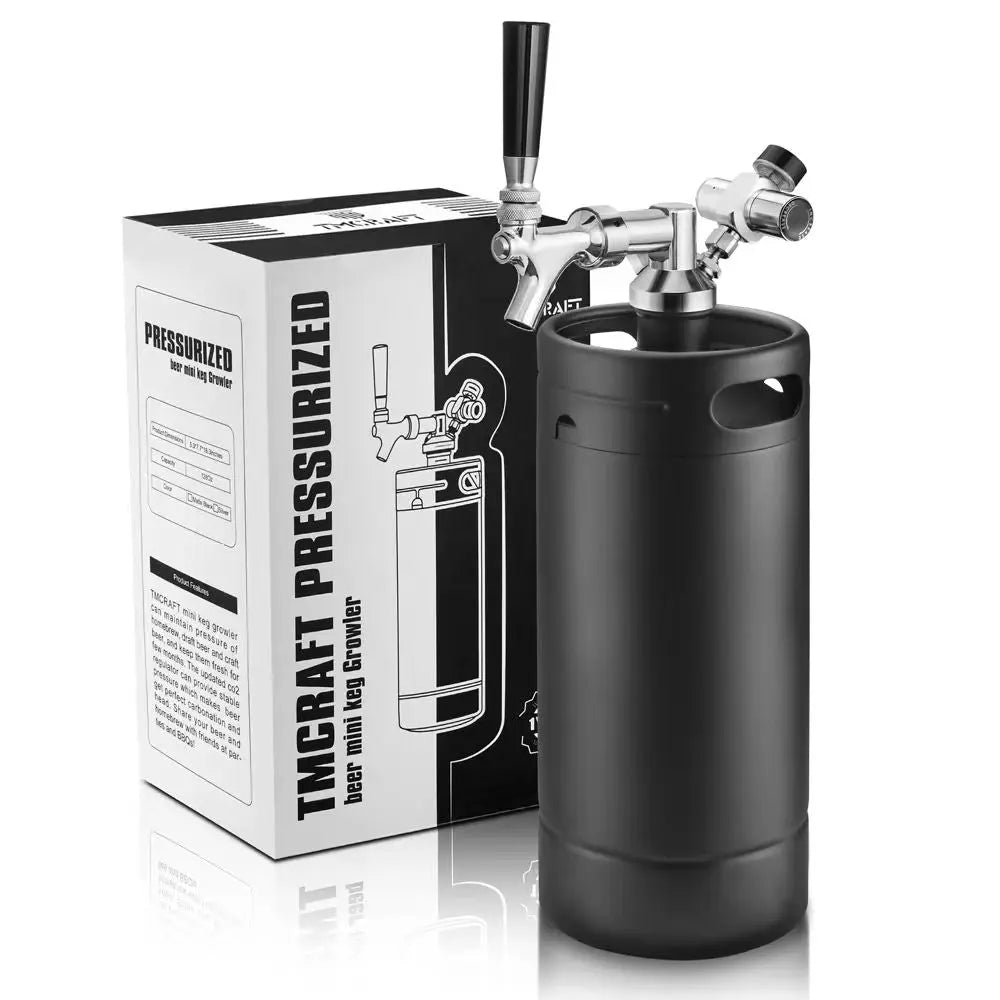
For people who make larger batches or drink cold brew regularly, a coffee keg can be an interesting alternative to a traditional pitcher.
But before choosing a storage method, it helps to understand what actually affects cold brew after brewing.
1. Start With Properly Filtered Cold Brew
Storage begins before the coffee enters the container.
After steeping, cold brew should be filtered carefully to remove the coffee grounds and excessive sediment.
Why does this matter?
Small particles can continue affecting the coffee after brewing. They can also collect inside your storage container or dispensing equipment.
This becomes particularly important when using a coffee keg, because coffee may travel through a dip tube, beverage line, and faucet before reaching your glass.
Good filtration makes the entire system easier to maintain.
2. Keep Cold Brew Refrigerated
Temperature is one of the most important factors in cold brew storage.
After brewing and filtering, keep the coffee properly chilled.
Avoid leaving a large batch at room temperature for extended periods.
Consistent refrigeration can help maintain the intended flavor and makes the coffee more enjoyable when served cold.
If you are using a keg system, keeping the keg refrigerated is especially important for consistent dispensing.
A cold coffee keg can be ready for serving whenever you want a glass without repeatedly moving a pitcher in and out of the refrigerator.
3. Limit Unnecessary Exposure to Air
Coffee changes over time, and exposure to oxygen can contribute to changes in aroma and flavor.
Think about a traditional pitcher.
Every time you open it, you introduce fresh air into the container.
A keg system offers a different approach.
Once a coffee keg is properly sealed, you can dispense the beverage through the faucet without repeatedly opening the main container.
This can reduce unnecessary handling and make serving more convenient.
It does not make the coffee immune to aging, but it can provide a more controlled storage environment.
4. Why a Stainless Keg Can Be a Good Choice
The container itself also deserves consideration.
A stainless keg is commonly used for beverage storage because stainless steel is durable, reusable, and relatively easy to clean.
This can be useful for cold brew because coffee contains natural oils and compounds that may leave residue.
A smooth stainless-steel interior can make routine cleaning easier.
For regular cold brew drinkers, a reusable stainless keg can also be more practical than repeatedly purchasing disposable containers.
However, even stainless steel equipment needs proper cleaning and maintenance.
5. Keep Your Beverage Equipment Clean
Cold brew does not only touch the storage container.
In a draft system, it can also contact:
- Dip tube
- Keg post
- Beverage connector
- Beverage line
- Faucet
Every one of these components can affect the final drink.
If old coffee residue remains inside the beverage line, a fresh batch may pick up unwanted flavors.
This is why cleaning should include the entire coffee dispensing system, not just the keg.
After emptying the container, clean the keg and all beverage-contact parts according to the equipment and cleaning-product instructions.
6. Choose the Right Storage Size
The size of your container should match how much coffee you actually drink.
A smaller coffee keg may be ideal for individual users or small households.
A larger keg may make more sense for:
- Families
- Offices
- Coffee shops
- Events
- Frequent cold brew drinkers
Avoid making significantly more cold brew than you can reasonably use.
A large batch is not necessarily better if it sits unused for too long.
Think about your normal consumption before choosing a keg capacity.
7. What About Cold Brew on Tap?
One of the main benefits of kegging is convenience.
With a traditional pitcher, you need to open the refrigerator, remove the container, pour the coffee, and put it away again.
With cold brew on tap, the beverage can remain chilled and connected to a faucet.
You simply open the faucet and fill your glass.
This can make a draft coffee setup particularly useful in a home kitchen, office, or café.
It also creates a more interactive experience for guests at parties and gatherings.
8. Can You Make Nitro Coffee With a Keg?
Yes, a suitable keg system can be used for nitro coffee.
Nitro coffee is generally made by infusing cold brew with nitrogen.
The nitrogen creates very fine bubbles and contributes to the smooth, creamy texture associated with café-style nitro coffee.
However, not every coffee keg setup is automatically suitable for nitro service.
You need compatible gas equipment, connections, and dispensing components.
If your goal is nitro coffee, make sure the entire system is designed for the intended application and follow the equipment manufacturer's instructions.
9. Don't Forget the Beverage Line
The beverage line is easy to overlook.
It connects the keg to the faucet and provides the path that your coffee follows before reaching the glass.
A clean beverage line is essential for good flavor.
If you change from one beverage to another, clean the line thoroughly before switching.
This is particularly important when using a coffee keg for different recipes.
Coffee residue left behind from an earlier batch can affect the flavor of the next one.
10. When Should You Use a Keg Instead of a Pitcher?
A pitcher is still a perfectly good option for occasional cold brew.
You may prefer a pitcher if you:
- Make small batches
- Drink coffee occasionally
- Have limited refrigerator space
- Do not need draft dispensing
A coffee keg becomes more attractive when you regularly prepare larger batches or want coffee available directly from a faucet.
The best choice depends on your habits rather than simply choosing the most advanced equipment.
A Simple Cold Brew Storage Routine
If you want a straightforward routine, follow these basic steps:
Brew carefully.
Use your preferred coffee-to-water ratio and brewing method.
Filter thoroughly.
Remove coffee grounds and excess sediment.
Chill promptly.
Keep the finished cold brew refrigerated.
Use a clean container.
Make sure your pitcher or keg is properly cleaned.
Limit unnecessary exposure to air.
Keep the storage container closed when possible.
Clean the dispensing system.
If using a keg, clean the dip tube, beverage line, connectors, and faucet.
These simple habits can make a noticeable difference in your everyday cold brew experience.
Final Thoughts: Better Storage Starts With Simple Habits
Great cold brew does not depend on one piece of equipment.
The quality of the beans, brewing method, filtration, temperature, storage, and dispensing process all contribute to the final cup.
A coffee keg can make cold brew storage and serving more convenient, particularly for people who prepare larger batches or enjoy cold brew on tap.
A durable stainless keg can provide a reusable option for regular beverage storage, while a clean beverage line and faucet help protect the flavor from keg to cup.
Whether you choose a pitcher or a draft system, the basic principles remain the same:
Keep it clean. Keep it cold. Filter it well. Store it carefully.
Once these habits become part of your routine, it becomes much easier to enjoy fresh-tasting cold brew from the first pour to the last.
Link to: Why Does Cold Brew Taste Different on Tap? Understanding Draft Coffee and Nitro Coffee