

How to Set Up a Nitro Coffee Keg System at Home or Café (Step-by-Step Guide)
Primary Keywords:
coffee keg, nitro coffee keg system, how to set up a coffee keg, stainless steel coffee keg
Secondary Keywords:
nitrogen cold brew coffee, coffee keg setup guide, cold brew on tap, nitro coffee system, TMCRAFT coffee keg
Nitro cold brew has become one of the most in-demand coffee drinks in cafés and home setups alike. Its smooth, creamy texture and signature cascading effect make it feel premium—even without milk or sugar.
To achieve this result consistently, you need more than good coffee. You need a properly configured coffee keg system.
If you’ve ever wondered how cafés serve nitro coffee on tap, the answer is simple: a well-balanced nitrogen-powered keg setup.
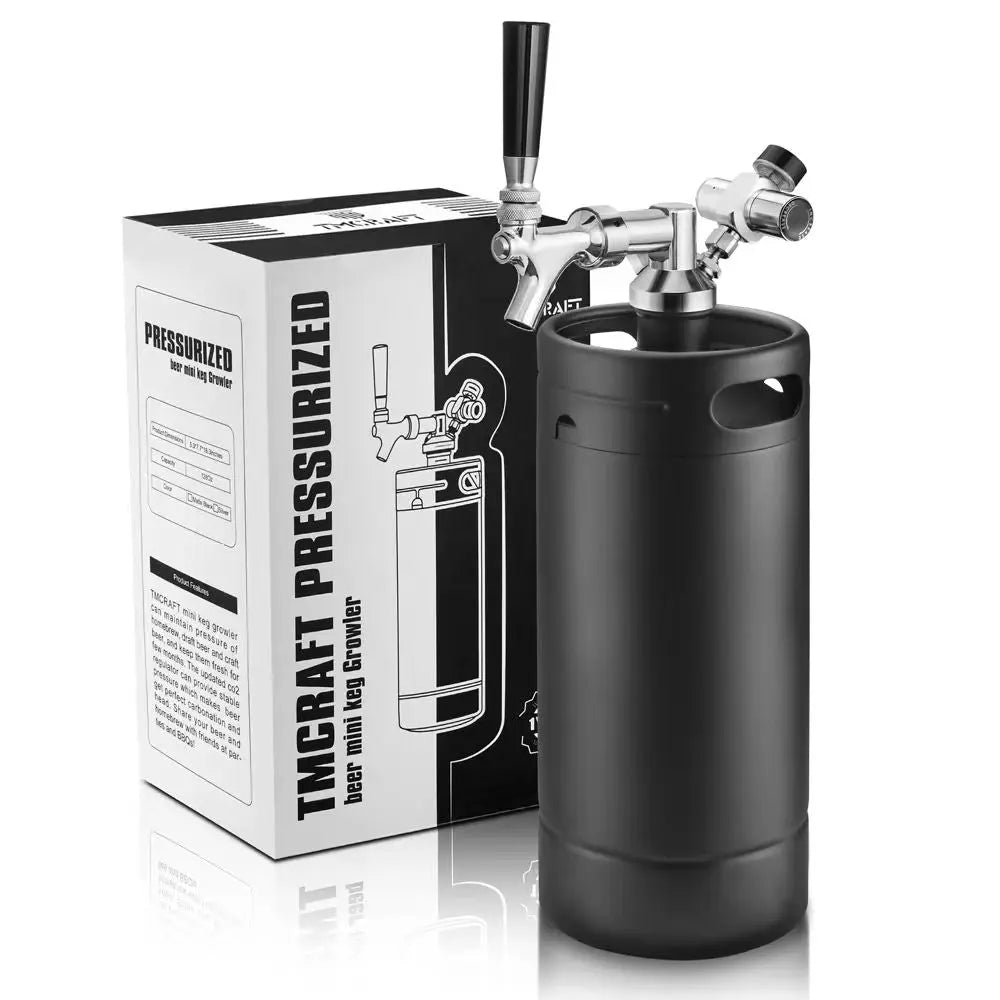
In this guide, you’ll learn exactly how to set up a nitro coffee keg, what equipment you need, how to dial in pressure, and how to get professional-quality results using a TMCRAFT coffee keg.
What Is a Nitro Coffee Keg System?
A nitro coffee keg system uses nitrogen gas to infuse cold brew coffee with tiny bubbles, creating:
- Creamy mouthfeel
- Smooth texture
- Naturally sweet perception
- Cascading visual effect
- Stable foam head
Unlike CO2 systems, nitrogen does not carbonate the coffee—it enhances texture without adding fizz.
Key Components of a Coffee Keg System
To build a working system, you need the following:
1. Coffee Keg
A sealed stainless steel coffee keg holds the cold brew.
It provides:
- Airtight storage
- Pressure control
- Clean dispensing
- Flavor protection
2. Nitrogen Source
Options include:
- Nitrogen (N2) tanks
- Nitrous oxide (N2O) cartridges
For portable setups, cartridge-based systems are often more convenient.
3. Regulator
Controls gas pressure entering the keg.
Precise regulation is critical for consistent results.
4. Nitro Faucet or Stout Tap
This specialized tap creates:
- Fine bubbles
- Creamy texture
- Cascade effect
Standard taps cannot produce true nitro coffee.
5. Beverage Lines and Connectors
These connect the keg to the tap system and control flow.
Step-by-Step: How to Set Up a Nitro Coffee Keg
Step 1: Brew Your Cold Brew Coffee
Start with a strong, smooth cold brew concentrate.
Basic guideline:
- Coarse grind
- 12–24 hour steep
- Filter thoroughly
Clean filtration improves both flavor and system performance.
Step 2: Fill the Coffee Keg
Transfer coffee into your coffee keg.
Best practices:
- Avoid splashing
- Minimize oxygen exposure
- Fill to recommended level
- Seal immediately
Oxygen can reduce freshness and affect flavor.
Step 3: Chill the Keg
Cold temperature is essential.
Ideal range:
- 34°F to 40°F (1°C to 4°C)
Cold liquid absorbs gas more effectively and produces better texture.
Step 4: Connect the Nitrogen System
Attach:
- Nitrogen tank or cartridge
- Regulator
- Gas line
Ensure all connections are tight and secure.
Step 5: Set the Correct Pressure
Nitro coffee typically requires higher pressure than beer.
Recommended range:
- 30–40 PSI
Higher pressure creates the signature cascading effect.
Step 6: Infuse the Coffee
Allow nitrogen to integrate into the coffee.
Methods:
Passive Infusion
- Let sit under pressure for several hours
Active Infusion
- Gently shake keg to speed up absorption
Avoid excessive agitation, which can create uneven results.
Step 7: Pour Using Nitro Tap
Open the tap fully when pouring.
A proper pour should show:
- Smooth cascading effect
- Thick, creamy head
- Dark-to-light visual transition
This is the hallmark of a good nitro coffee setup.
CO2 vs Nitrogen in Coffee Kegs
Understanding the difference is critical.
CO2
- Adds carbonation
- Creates slight acidity
- Better for soda-style drinks
Nitrogen
- No carbonation
- Smooth mouthfeel
- Creamy texture
- Ideal for nitro coffee
For authentic nitro coffee, nitrogen is the correct choice.
Common Nitro Coffee Problems and Fixes
Problem: No Cascade Effect
Causes:
- Low pressure
- Wrong tap
- Insufficient nitrogen
Fix:
Increase PSI and use proper nitro faucet.
Problem: Too Much Foam
Causes:
- Overpressure
- Warm coffee
Fix:
Lower pressure slightly and chill keg.
Problem: Flat Texture
Causes:
- Not enough infusion time
- Weak coffee concentration
Fix:
Allow more time or use stronger brew.
Problem: Slow Pour
Causes:
- Blocked lines
- Low pressure
Fix:
Clean system and adjust PSI.
Best Practices for Nitro Coffee Success
Use Fresh Cold Brew
Older coffee loses flavor quickly.
Keep System Clean
Coffee oils can affect taste and performance.
Maintain Consistent Temperature
Fluctuation affects pressure and texture.
Use Proper Equipment
Nitro tap and compatible keg system are essential.
Why Stainless Steel Coffee Kegs Perform Better
A stainless steel coffee keg provides key advantages.
Flavor Protection
No odor or taste absorption.
Pressure Stability
Handles high PSI for nitro systems.
Easy Cleaning
Supports hygiene and freshness.
Durability
Built for long-term use.
Why Choose TMCRAFT Coffee Kegs?
TMCRAFT coffee kegs are designed for both cold brew and nitro systems.
Key benefits:
- Food-grade stainless steel construction
- Strong sealing performance
- Compatible with non-threaded N2 / N2O cartridges
- Easy-clean interior design
- Reliable pressure handling
- Suitable for home and commercial use
Whether you're a beginner or running a café, TMCRAFT provides consistent results.
Best Use Cases for a Nitro Coffee Keg System
Ideal for:
- Home coffee enthusiasts
- Cafés and coffee shops
- Office beverage programs
- Catering and events
- Mobile coffee businesses
Nitro coffee elevates both flavor and presentation.
Final Verdict
Learning how to set up a nitro coffee keg system allows you to deliver café-quality cold brew with smooth texture, rich flavor, and professional presentation.
With the right pressure, proper equipment, and a reliable TMCRAFT coffee keg, you can consistently produce high-quality nitro coffee at home or in a commercial setting.
Link to: How to Clean a Coffee Keg Properly: Prevent Off-Flavors and Keep Cold Brew Fresh