

How to Clean a Coffee Keg Properly: Prevent Off-Flavors and Keep Cold Brew Fresh
Primary Keywords:
coffee keg, how to clean a coffee keg, coffee keg cleaning, stainless steel coffee keg
Secondary Keywords:
cold brew keg system, nitro coffee keg, reusable coffee keg, coffee tap cleaning, TMCRAFT coffee keg
A great cold brew system depends on more than good beans and a strong recipe. If your coffee keg is not cleaned properly, even premium coffee can develop stale flavor, strange odors, and inconsistent pours.
Coffee oils, residue, and trapped moisture can build up quickly inside a keg system. Over time, this affects taste, reduces freshness, and may even create sanitation issues.
Whether you serve cold brew in a café, office, mobile catering setup, or at home, regular cleaning is one of the most important parts of beverage quality control.
The good news is that proper coffee keg cleaning is simple when done consistently.
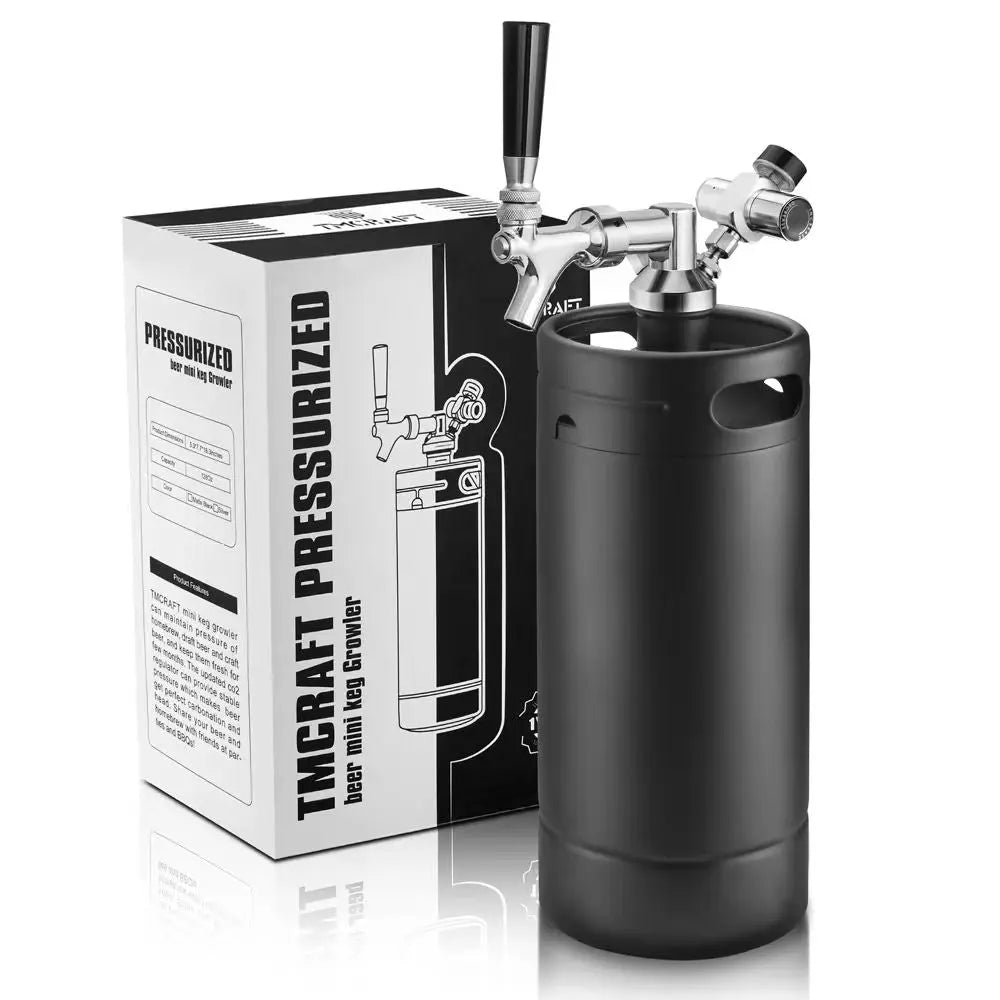
In this guide, you’ll learn how to clean a TMCRAFT coffee keg, which parts need the most attention, and how proper maintenance helps keep every pour smooth, fresh, and professional.
Why Cleaning a Coffee Keg Matters
Cold brew coffee is highly sensitive to contamination.
Unlike beer, coffee oils can leave strong flavor residue behind, and even small sanitation problems can quickly change taste quality.
A dirty coffee keg system can cause:
- Bitter or stale flavor
- Sour or unpleasant odor
- Slow dispensing
- Foam problems
- Shorter cold brew shelf life
- Residue buildup in tap lines
- Poor customer experience
Clean equipment protects both taste and reputation.
What Parts Need Cleaning?
Many people clean only the keg body—but the full dispensing system matters.
Always clean:
- Keg interior
- Lid assembly
- Tap or faucet
- Beverage lines
- Connectors
- Dispensing head
- Gas fittings
- Seals and O-rings
- Tubing
- Nitrogen or CO2 connection points
Ignoring small parts often causes the biggest flavor issues.
How Often Should You Clean a Coffee Keg?
The best cleaning schedule is simple.
After Every Batch
Clean immediately after the keg becomes empty.
Before Every Refill
Sanitize before adding new cold brew.
Weekly Tap Inspection
Check faucets and lines for residue.
Monthly Deep Maintenance
Inspect seals, fittings, and connectors.
Consistent cleaning prevents larger problems later.
Supplies You Need
Prepare these simple tools:
- Warm water
- Food-safe coffee system cleaner
- Food-safe sanitizer
- Soft cloth or sponge
- Small brush for fittings
- Drying towel or rack
- Food-grade keg lubricant
- Replacement O-rings if needed
Avoid harsh chemicals or rough scrubbers that may damage stainless steel.
Step-by-Step: How to Clean a Coffee Keg
Step 1: Empty the Keg Completely
Before cleaning:
- Finish or discard leftover cold brew
- Disconnect gas source
- Release pressure safely if pressurized
- Remove tap and accessories
Never open a pressurized keg without releasing pressure first.
Step 2: Rinse Immediately
Rinse with warm water as soon as possible.
This helps remove:
- Coffee oils
- Fine sediment
- Concentrate residue
- Flavor buildup
Fresh residue is much easier to remove than dried residue.
Step 3: Wash the Interior
Add warm water and cleaner to the keg.
Then:
- Swirl thoroughly
- Let soak if needed
- Gently scrub interior surfaces
Pay extra attention to the bottom and seams where oils can collect.
A stainless steel coffee keg makes this much easier due to its smooth interior surface.
Step 4: Clean the Lid and O-Rings
Remove and inspect:
- Lid
- Lid seal
- O-rings
Coffee oils often hide around sealing areas.
Dirty seals can also cause pressure leaks.
Step 5: Clean the Tap and Beverage Lines
This is one of the most important steps.
Wash:
- Tap nozzle
- Dispensing faucet
- Beverage tubing
- Connectors
- Internal flow paths
Many flavor issues begin here rather than inside the keg itself.
Step 6: Clean Gas Connections
If using a nitro coffee keg or CO2 system, clean:
- Gas fittings
- Cartridge connection points
- Regulator contact areas
This helps maintain smooth pressure and prevents contamination.
Step 7: Rinse Thoroughly
Cleaner residue can affect flavor.
Rinse all parts with clean water until no cleaning solution remains.
Taste quality depends on complete rinsing.
Step 8: Sanitize Before Reuse
Cleaning removes residue. Sanitizing protects against bacteria and flavor contamination.
Before refilling:
- Sanitize keg body
- Sanitize lid
- Sanitize beverage-contact parts
- Sanitize tap system
Drain fully before use.
Step 9: Dry and Store Properly
If storing empty:
- Allow full air drying
- Store in a clean, dry place
- Leave lid slightly loose if appropriate
This helps prevent trapped moisture and odor buildup.
Common Coffee Keg Cleaning Mistakes
Waiting Too Long
Coffee oils harden quickly.
Clean immediately after use.
Cleaning Only the Main Keg
Most residue problems start in taps and lines.
Skipping Sanitizer
Clean surfaces still need sanitizing before refill.
Using Strong Household Chemicals
Only use food-safe cleaners.
Ignoring O-Rings
Old seals trap odors and cause leaks.
Coffee Keg vs Glass Dispenser for Cleaning
| Feature | Coffee Keg | Glass Dispenser |
|---|---|---|
| Flavor Protection | Excellent | Moderate |
| Oxygen Exposure | Low | Higher |
| Cleaning Access | Strong | Moderate |
| Light Protection | Excellent | Poor |
| Pressure Dispensing | Yes | No |
For long-term freshness and professional service, a coffee keg usually performs better.
Why Stainless Steel Coffee Kegs Are Better
A stainless steel coffee keg offers major maintenance advantages.
Flavor Neutral
Does not absorb coffee odors.
Light Protection
Protects cold brew from UV exposure.
Easy to Sanitize
Supports hygienic beverage storage.
Long-Term Durability
Built for repeated cleaning cycles.
This makes stainless steel ideal for serious coffee service.
Why Choose TMCRAFT Coffee Kegs?
TMCRAFT coffee kegs are designed for reliable cold brew and nitro coffee service.
Benefits include:
- Food-grade stainless steel construction
- Strong sealing performance
- Easy-clean interior design
- Compatible with non-threaded N2 / N2O systems
- Ideal for cold brew and nitro coffee
- Suitable for both home and commercial use
Whether serving ten cups or hundreds per week, TMCRAFT helps maintain consistent quality.
Best Uses for a Coffee Keg System
A properly cleaned coffee keg system is perfect for:
- Cold brew coffee
- Nitro coffee
- Coffee cocktails
- Iced coffee concentrate
- Tea beverages
- Office beverage service
- Event catering
One system supports multiple beverage programs.
Final Verdict
Learning how to clean a coffee keg properly is one of the easiest ways to improve cold brew flavor, protect freshness, and extend equipment life.
A few minutes of routine maintenance can prevent stale taste, pressure issues, and customer complaints.
With durable construction and easy sanitation, a TMCRAFT coffee keg makes professional beverage service simple and reliable.
Link to: Best Gas for a Coffee Keg: CO2 vs Nitrogen for Cold Brew and Nitro Coffee