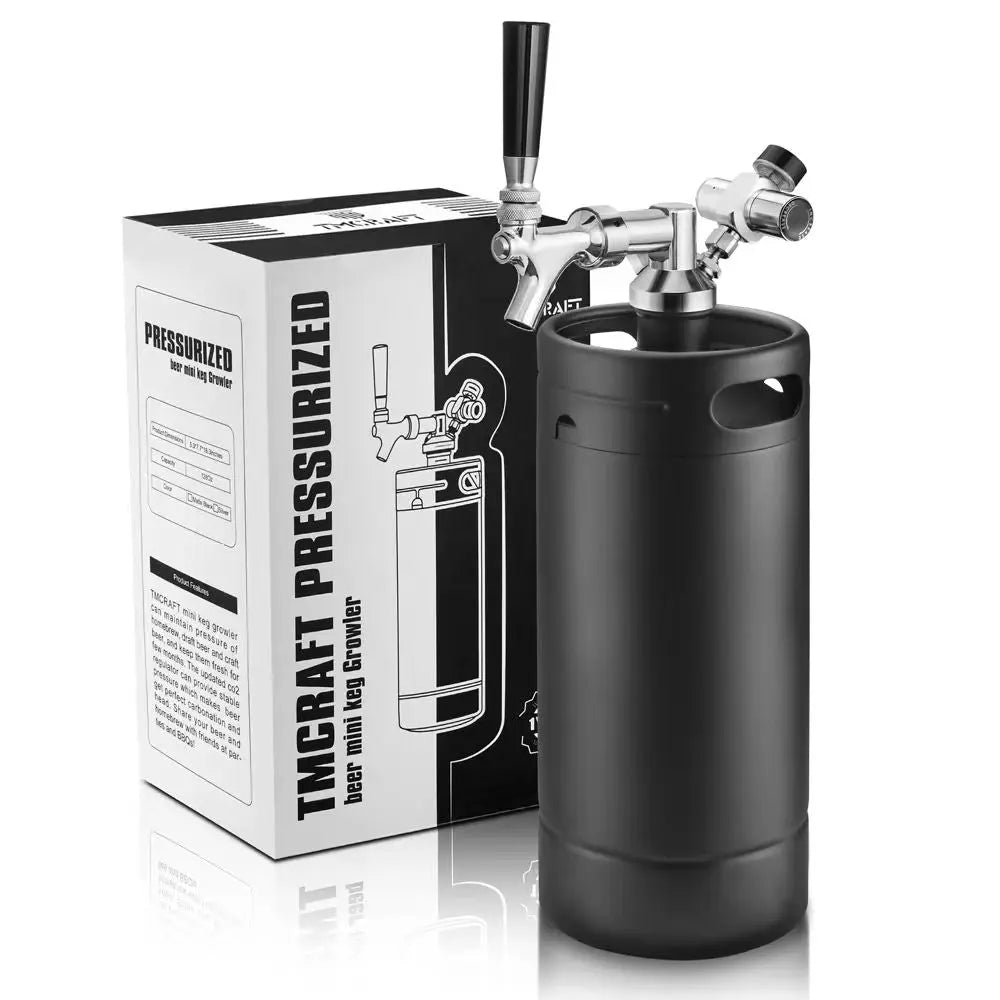


How to Prevent Coffee Keg Foam: A Beginner’s Guide to a Smoother Pour
Serving cold brew from a coffee keg is a convenient way to enjoy fresh coffee on tap. It can be especially useful at home, in an office, at a party, or when you want to serve several drinks without making a cup at a time.
But one common problem can surprise beginners: too much foam in the glass.
A little foam can be normal, especially when serving nitro cold brew. However, if the drink comes out mostly foam, the problem is usually related to temperature, pressure, gas, faucet settings, or the way the coffee is being poured.
Start With Cold Coffee
Temperature is one of the first things to check when your coffee keg is producing too much foam.
Cold brew should generally be kept cold before and during dispensing. Warmer liquid releases dissolved gas more easily, which can make the pour more foamy.
Keep the keg refrigerated whenever possible and avoid leaving it in a warm place for long periods. If you are preparing a coffee keg for an event, give the keg enough time to become properly chilled before serving.
A cold stainless steel keg can also be useful for beverage storage because stainless steel is durable and easy to clean when properly maintained.
Check the Pressure
Pressure is another important part of a good draft coffee setup.
Too much pressure can push coffee through the faucet too aggressively and create excessive foam. Too little pressure, however, can also cause an inconsistent pour or affect the way a nitro beverage dispenses.
Instead of using one pressure setting for every coffee keg, follow the pressure range recommended for your specific keg, regulator, gas, and beverage system.
For nitro coffee, remember that nitrogen and carbon dioxide are not interchangeable. Use equipment that is designed and rated for the gas you are using.
Look at the Faucet
The faucet is the final point where coffee leaves the keg, so its condition and setting can make a noticeable difference.
A dirty faucet can affect the flow and flavor of coffee. Coffee contains oils and other compounds that can build up over time, especially when the system is not cleaned regularly.
If your coffee suddenly starts pouring differently, inspect the faucet and beverage line. Make sure there are no blockages, buildup, or damaged parts.
For some nitro coffee systems, a faucet designed to create a creamy texture can help produce the characteristic smooth appearance of nitro cold brew.
Pour at the Right Angle
Your pouring technique matters, too.
Start with a clean glass and hold it at an angle while opening the faucet smoothly. Avoid repeatedly opening and closing the faucet during one pour.
As the glass fills, you can gradually straighten it. This gives the coffee more control as it enters the glass and can help reduce unnecessary turbulence.
If you are serving nitro cold brew, some foam is part of the experience. The goal is not always to eliminate foam completely, but to create a balanced pour with a smooth texture.
Keep the Whole System Clean
A coffee keg is only as good as the condition of the entire dispensing system.
After use, clean the keg, faucet, beverage line, and other beverage-contact parts according to the equipment manufacturer's instructions. This is especially important for coffee because oils and residue can remain inside the system.
Regular cleaning helps prevent unwanted flavors, flow problems, and buildup that can affect your next batch.
A Smoother Coffee-on-Tap Experience
Too much foam does not always mean there is something wrong with the coffee itself. In many cases, the solution is simply to check the temperature, pressure, faucet, beverage line, and pouring technique one at a time.
Once these parts are working together, a coffee keg can make serving cold brew much easier. Whether you prefer regular cold brew or a creamy nitro-style drink, a properly prepared keg system can turn your favorite coffee into an easy drink-on-tap experience.
Link to: Why Does Draft Coffee Taste Different? Understanding Temperature, Gas, and Pouring