

How to Fix Gas Leaks in a Ball Lock Keg System Quickly and Safely
Primary Keywords:
ball lock keg, fix gas leaks in ball lock keg system, stainless steel ball lock keg, ball lock keg troubleshooting
Secondary Keywords:
CO2 keg leak fix, keg pressure problems, homebrew keg maintenance, keg sealing guide, TMCRAFT ball lock keg
A gas leak is one of the most frustrating problems in a ball lock keg system.
Even a small leak can quickly empty a CO2 tank, flatten beer, reduce carbonation stability, and interrupt draft service. Many homebrewers discover leaks only after noticing:
- Weak pours
- Flat beer
- Empty gas cylinders
- Inconsistent pressure
The good news is that most keg leaks are easy to identify and repair once you understand the common problem areas.
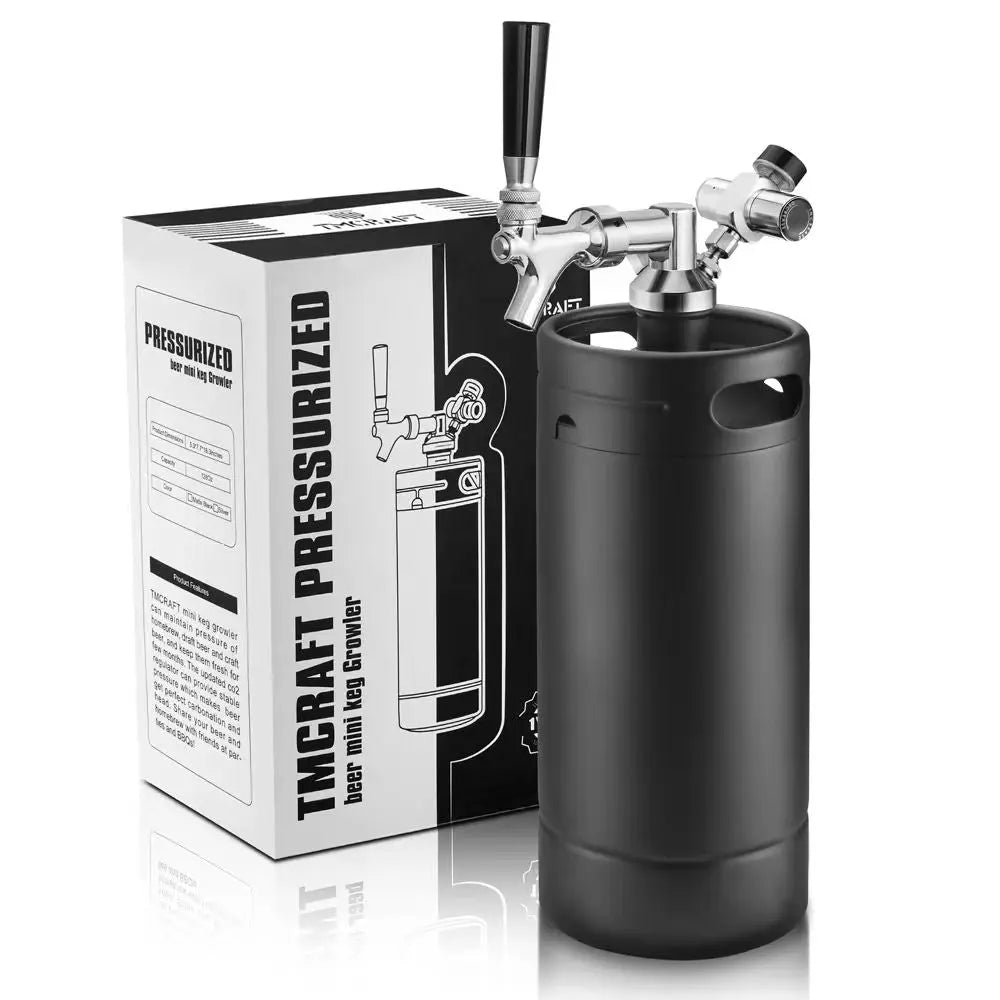
In this guide, you’ll learn how to fix gas leaks in a ball lock keg, how to diagnose pressure problems safely, and how TMCRAFT keg systems help improve long-term sealing reliability.
Why Gas Leaks Are a Serious Problem
CO2 pressure is essential for:
- Carbonation retention
- Smooth dispensing
- Freshness protection
- Stable pouring performance
When gas leaks occur, the entire draft system becomes unstable.
Leaks can lead to:
- Flat beer
- Excess foam
- Oxidation risk
- Increased operating costs
A properly sealed ball lock keg system should maintain pressure consistently for extended periods.
Common Signs of a Gas Leak
Before troubleshooting, it’s important to recognize leak symptoms.
Empty CO2 Tank Too Quickly
Rapid gas loss is usually the clearest warning sign.
Pressure Drops Overnight
If PSI decreases while the system sits unused, a leak may be present.
Weak or Flat Beer
Loss of pressure reduces carbonation stability.
Hissing Sounds
Escaping gas often creates audible leakage noise.
Bubbling Around Fittings
Soap or sanitizer bubbles may appear during testing.
Most Common Leak Locations in a Ball Lock Keg System
Understanding common failure points speeds up troubleshooting.
1. Lid O-Ring
The lid seal is one of the most frequent leak sources.
Common causes:
- Worn rubber
- Dry seal
- Improper lid alignment
- Damaged O-ring
2. Gas Post O-Rings
Ball lock gas posts rely on tight seals.
Leaks can occur if O-rings become:
- Cracked
- Flattened
- Loose
- Dirty
3. Disconnect Fittings
Loose disconnects may leak around connection points.
Poor-quality connectors increase leak risk.
4. Regulator Connections
CO2 regulator fittings must seal tightly.
Leaks often occur from:
- Loose threading
- Damaged washers
- Improper tightening
5. Beverage Line Connections
Although less common, liquid line fittings can sometimes leak pressure.
6. Pressure Relief Valve (PRV)
The PRV may leak if:
- Dirty
- Damaged
- Improperly seated
How to Test for Gas Leaks Safely
The safest and easiest leak detection method uses sanitizer or soapy water.
Step 1: Pressurize the System
Set regulator pressure to:
- 10–15 PSI
Step 2: Apply Sanitizer or Soapy Water
Spray around:
- Lid seal
- Posts
- Disconnects
- Regulator fittings
- Gas lines
Step 3: Watch for Bubbles
Growing bubbles indicate escaping gas.
This method quickly identifies most leaks.
How to Fix Common Ball Lock Keg Leaks
Fixing a Lid Leak
Solutions
- Re-seat the lid carefully
- Lubricate O-ring lightly
- Replace damaged O-ring
- Increase pressure slightly to help seal
Proper lid positioning is critical.
Fixing Gas Post Leaks
Solutions
- Replace post O-rings
- Clean sealing surfaces
- Tighten posts carefully
Avoid overtightening, which may damage components.
Fixing Disconnect Leaks
Solutions
- Replace worn disconnects
- Check connector alignment
- Ensure proper locking engagement
Reliable fittings improve pressure stability significantly.
Fixing Regulator Leaks
Solutions
- Tighten regulator nut carefully
- Replace nylon washer if damaged
- Inspect threading for wear
Never force damaged fittings.
Fixing Pressure Relief Valve Leaks
Solutions
- Clean the valve thoroughly
- Replace faulty PRV if necessary
A damaged PRV often causes slow hidden leaks.
Preventing Future Gas Leaks
Preventive maintenance is much easier than emergency troubleshooting.
Replace O-Rings Regularly
Rubber seals wear down over time.
Replace proactively instead of waiting for failure.
Keep Components Clean
Residue buildup affects sealing performance.
Avoid Cross-Threading
Misaligned threading damages fittings quickly.
Use Quality Components
Low-quality connectors leak more frequently.
Inspect Before Every Use
Quick inspections prevent larger problems later.
Why Stainless Steel Ball Lock Kegs Improve Reliability
A stainless steel ball lock keg provides stronger sealing performance compared to lower-quality containers.
Benefits include:
- Better pressure stability
- Improved durability
- Corrosion resistance
- Long-term reliability
- Easier cleaning
High-quality keg construction reduces long-term maintenance issues.
Ball Lock Keg vs Growler for Carbonation Stability
| Feature | Ball Lock Keg | Growler |
|---|---|---|
| Pressure Retention | Excellent | Limited |
| Leak Protection | High | Low |
| Carbonation Stability | Strong | Weak |
| Draft Dispensing | Professional | Basic |
| Freshness Duration | Longer | Shorter |
A sealed ball lock keg system is far superior for draft beverage storage.
Common Mistakes That Cause Leaks
Avoiding these mistakes improves system reliability.
Over-Tightening Posts
Can damage threads and seals.
Ignoring Small Leaks
Minor leaks worsen over time.
Using Old O-Rings
Aged rubber becomes brittle and unreliable.
Poor Cleaning Practices
Debris interferes with sealing surfaces.
Using Mixed or Incorrect Parts
Incompatible fittings create unstable connections.
Why Choose TMCRAFT Ball Lock Kegs?
TMCRAFT ball lock kegs are designed for reliable pressure retention and long-term draft performance.
Key features include:
- Food-grade stainless steel construction
- Leak-resistant sealing system
- Standard ball lock compatibility
- Strong pressure handling capability
- Easy-clean interior design
- Suitable for beer, kombucha, coffee, and sparkling beverages
Whether you are a beginner or advanced homebrewer, TMCRAFT helps simplify keg maintenance and improve system reliability.
Best Uses for a Ball Lock Keg System
A ball lock keg system works perfectly for:
- Homebrew beer
- Craft beer storage
- Kombucha
- Sparkling water
- Nitro beverages
- Cold brew coffee
Reliable pressure performance improves every beverage application.
Final Verdict
Learning how to fix gas leaks in a ball lock keg system helps protect carbonation, reduce CO2 waste, and improve draft quality.
Most leaks are caused by:
- Worn O-rings
- Loose fittings
- Poor seals
- Improper maintenance
With proper inspection and a reliable TMCRAFT ball lock keg, maintaining stable pressure and fresher beverages becomes much easier.
Link to: How to Upgrade a Ball Lock Keg System for Better Draft Performance