

How to Deep Clean a Ball Lock Keg After Long-Term Storage
Primary Keywords:
ball lock keg, deep clean ball lock keg, stainless steel ball lock keg, ball lock keg cleaning
Secondary Keywords:
homebrew keg maintenance, keg sanitation guide, keg cleaning after storage, ball lock keg system, TMCRAFT ball lock keg
A ball lock keg that sits unused for weeks or months requires more than a quick rinse before reuse.
Long-term storage can lead to:
- Dried beer residue
- Bacteria buildup
- Mold growth
- Stale odors
- Sticky poppets and posts
Without proper cleaning, these issues can ruin beer flavor, affect carbonation performance, and shorten keg lifespan.
The good news is that a thorough deep cleaning process can restore your keg system safely and effectively.
In this guide, you’ll learn how to deep clean a ball lock keg after storage, which parts require special attention, and how TMCRAFT keg systems simplify long-term maintenance.
Why Deep Cleaning Matters After Storage
Beer residue contains:
- Sugars
- Proteins
- Yeast particles
- Hop oils
Over time, these materials harden inside the keg system.
If ignored, buildup can create:
- Off-flavors
- Pressure problems
- Contamination risk
- Poor pouring performance
A proper cleaning process protects both beer quality and keg durability.
Signs Your Ball Lock Keg Needs Deep Cleaning
Some contamination issues are obvious, while others are harder to detect.
Common warning signs include:
- Sour or stale smell
- Sticky posts or disconnects
- Mold spots
- Cloudy rinse water
- Poor carbonation performance
- Foam instability
Even clean-looking kegs may still contain hidden residue inside dip tubes and fittings.
Why Stainless Steel Ball Lock Kegs Are Easier to Clean
A stainless steel ball lock keg provides major sanitation advantages.
Benefits include:
- Non-porous surface
- Odor resistance
- Corrosion protection
- Easier residue removal
- Better long-term durability
Stainless steel helps maintain safer beverage storage conditions.
Equipment Needed for Deep Cleaning
Before starting, prepare the necessary supplies.
Recommended equipment:
- Brewery cleaner or PBW solution
- Sanitizer solution
- Soft cleaning brushes
- Keg lube
- Warm water
- Socket wrench for posts
- Towels or drying rack
Avoid harsh abrasive tools that may scratch stainless steel surfaces.
Step 1: Fully Depressurize the Keg
Safety comes first.
Before disassembly:
- Release all internal pressure using the pressure relief valve
Never remove keg posts while pressure remains inside the system.
Step 2: Disassemble the Ball Lock Keg Completely
Deep cleaning requires full disassembly.
Remove:
- Lid
- Gas post
- Liquid post
- Dip tubes
- O-rings
- Poppets
This allows access to hidden residue areas.
Why Disassembly Is Important
Many contamination problems occur inside:
- Dip tubes
- Post threading
- Poppet springs
- Seal grooves
Quick rinsing alone cannot properly clean these areas.
Step 3: Soak Components in Cleaning Solution
Prepare warm cleaning solution according to manufacturer instructions.
Soak all removable components for:
- 20–30 minutes
This helps loosen:
- Dried beer residue
- Hop oils
- Mineral deposits
Warm water improves cleaning effectiveness significantly.
Step 4: Scrub Interior Surfaces Carefully
Use a soft brush to clean:
- Keg interior
- Dip tubes
- Lid grooves
- Post threading
Pay extra attention to areas where residue commonly collects.
Avoid steel wool or abrasive pads.
Step 5: Clean Dip Tubes Thoroughly
Dip tubes are one of the most overlooked cleaning areas.
Residue inside tubes can cause:
- Off-flavors
- Pouring problems
- Contamination
Use narrow cleaning brushes designed for tubing.
Step 6: Inspect O-Rings Carefully
Old O-rings may develop:
- Cracks
- Flattening
- Odors
- Staining
Damaged seals often create pressure leaks later.
Recommended Maintenance Tip
Replace worn O-rings during deep cleaning.
Fresh seals improve:
- Pressure retention
- Carbonation stability
- Leak prevention
Step 7: Rinse Thoroughly
Cleaning chemicals must be removed completely.
Rinse every component with clean warm water until:
- No cleaner residue remains
- No scent remains
Poor rinsing may affect beer flavor later.
Step 8: Sanitize Before Reassembly
Cleaning removes residue, but sanitation removes microorganisms.
Use brewing sanitizer on:
- Interior surfaces
- Dip tubes
- Lid
- Posts
- Beverage contact areas
Sanitation is essential before filling with beer.
Step 9: Lubricate O-Rings Lightly
Food-grade keg lubricant helps improve sealing performance.
Apply a thin layer to:
- Lid O-ring
- Post O-rings
This helps:
- Prevent leaks
- Improve lid seating
- Extend seal lifespan
Step 10: Reassemble and Pressure Test
After cleaning:
- Reassemble carefully
- Pressurize the keg
- Check for leaks using sanitizer spray or soapy water
A stable pressure hold confirms proper reassembly.
Common Deep Cleaning Mistakes
Skipping Full Disassembly
Hidden residue remains inside inaccessible areas.
Using Harsh Chemicals
Strong chemicals may damage seals and fittings.
Ignoring Dip Tubes
Tube buildup often causes recurring contamination.
Reusing Damaged O-Rings
Old seals increase leak risk.
Poor Drying Practices
Moisture left behind may encourage bacterial growth during storage.
How Often Should You Deep Clean a Ball Lock Keg?
Routine rinsing should occur after every batch.
However, full deep cleaning is recommended:
| Usage Frequency | Deep Cleaning Schedule |
|---|---|
| Frequent Use | Every 2–3 months |
| Occasional Use | Before each refill |
| Long-Term Storage | Immediately before reuse |
Regular maintenance improves system lifespan significantly.
Ball Lock Keg vs Bottles for Cleaning Efficiency
| Feature | Ball Lock Keg | Bottles |
|---|---|---|
| Cleaning Time | Moderate | High |
| Sanitizing Efficiency | Excellent | Variable |
| Reusability | High | Moderate |
| Maintenance Access | Easy | Limited |
| Long-Term Durability | Excellent | Moderate |
Keg systems simplify long-term beverage storage and maintenance.
Why Homebrewers Prefer Ball Lock Keg Systems
Homebrewers increasingly choose ball lock keg systems because they provide:
- Better carbonation control
- Easier cleaning
- Faster serving
- Improved draft quality
- Reduced bottling labor
With proper cleaning, keg systems remain reliable for years.
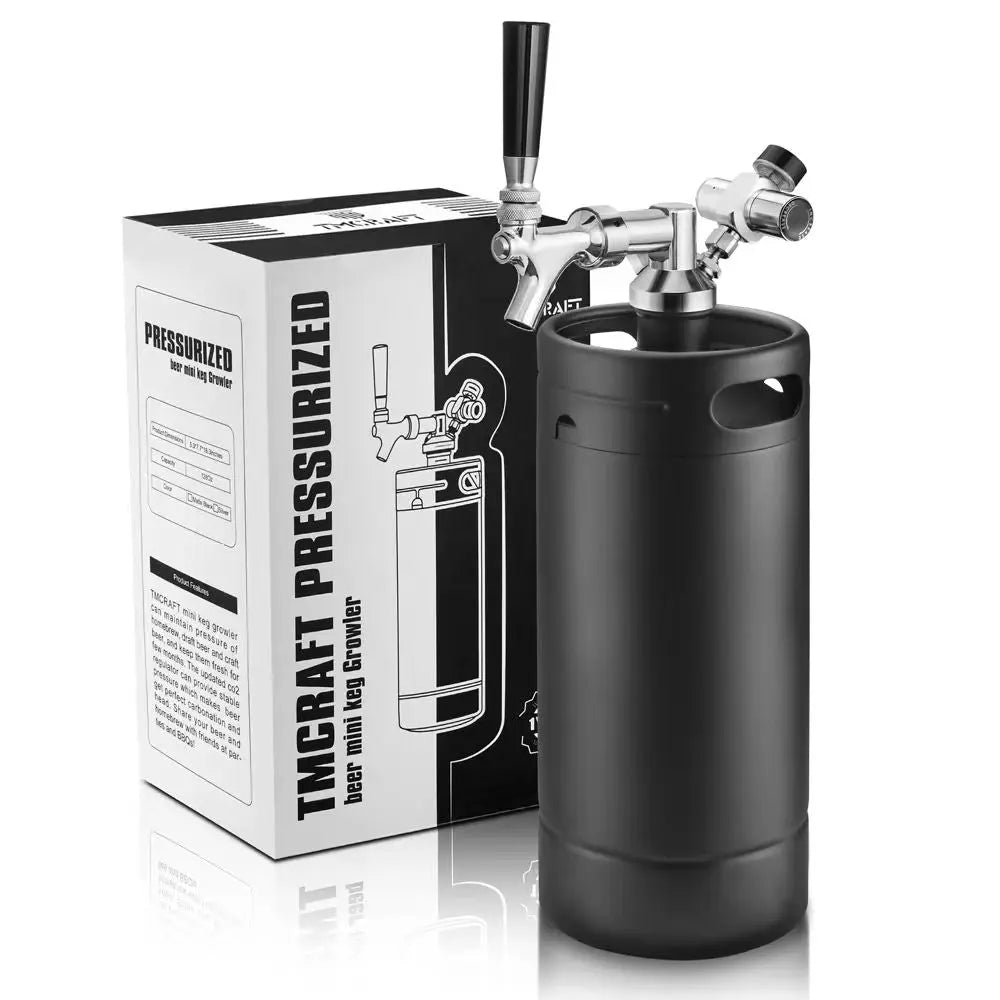
Why Choose TMCRAFT Ball Lock Kegs?
TMCRAFT ball lock kegs are designed for durability, sanitation, and easy maintenance.
Key features include:
- Food-grade stainless steel construction
- Easy-clean interior surfaces
- Standard ball lock compatibility
- Reliable sealing system
- Strong pressure resistance
- Suitable for beer, coffee, kombucha, and sparkling beverages
Whether you’re storing homebrew long-term or maintaining a daily draft system, TMCRAFT simplifies cleaning and improves reliability.
Best Uses for a Ball Lock Keg System
A ball lock keg system is ideal for:
- Homebrew beer
- Craft beer storage
- Kombucha
- Cold brew coffee
- Sparkling water
- Portable draft systems
Proper maintenance keeps every beverage tasting fresher.
Final Verdict
Learning how to deep clean a ball lock keg after long-term storage helps protect beer flavor, carbonation stability, and system performance.
The most important steps include:
- Full disassembly
- Thorough soaking
- Careful sanitation
- O-ring inspection
- Pressure testing
With a reliable TMCRAFT ball lock keg, deep cleaning becomes easier and helps maintain better draft quality for every batch.
Link to: How to Fix Gas Leaks in a Ball Lock Keg System Quickly and Safely