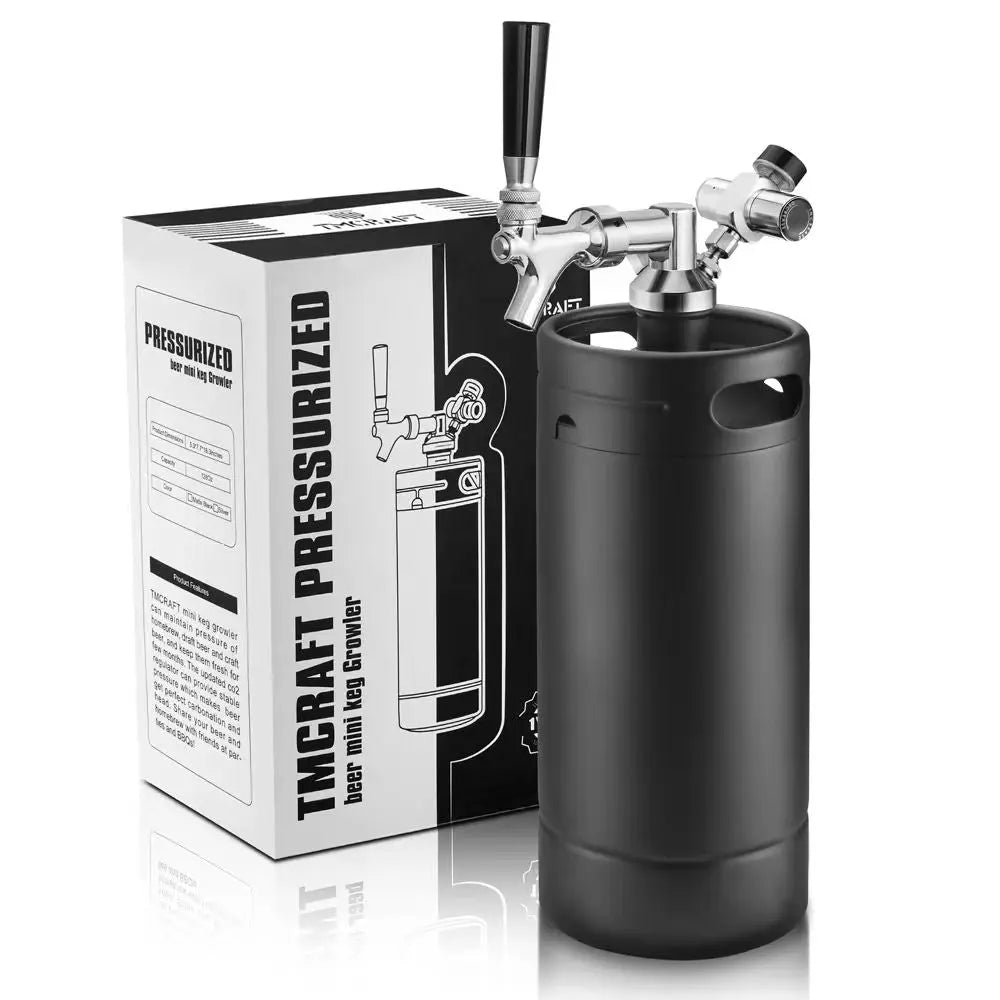


How to Build a Reliable Home Draft System with Ball Lock Kegs: A Beginner-to-Pro Guide
For many homebrewers, the journey begins with brewing beer and bottling each batch by hand. While bottling works well for beginners, it can become time-consuming as brewing experience grows. Cleaning dozens of bottles, managing carbonation consistency, and storing finished beer often become frustrating parts of the process.
That's why many homebrewers eventually upgrade to a ball lock keg system.
A properly designed home draft system offers faster packaging, easier serving, more precise carbonation control, and a professional draft beer experience. Whether you're brewing your first kegged batch or planning a complete home bar upgrade, understanding how to build a reliable draft setup is essential.
In this guide, you'll learn everything needed to create a dependable homebrew keg system, including equipment selection, system design, carbonation methods, maintenance, and common troubleshooting tips.
Why More Homebrewers Are Choosing Ball Lock Kegs
The popularity of the ball lock corny keg continues to grow because it simplifies beer storage and serving while improving consistency.
Compared to bottling, kegging offers:
- Faster packaging
- Easier cleaning
- Better carbonation control
- Reduced oxygen exposure
- Convenient serving
- Improved freshness retention
A properly maintained draft beer setup allows homebrewers to focus more on brewing and less on packaging.
What Is a Ball Lock Keg?
A ball lock keg is a reusable, pressurized beverage container commonly used in homebrewing.
Originally designed for soda syrup distribution, these kegs have become the preferred choice for many homebrewers due to their convenience and compatibility with modern draft systems.
A typical corny keg includes:
- Stainless steel body
- Gas post
- Liquid post
- Pressure relief valve
- Removable lid
- Internal dip tubes
These components work together to create an efficient beer dispensing system.
Understanding the Basic Components of a Home Draft System
Before building a system, it's important to understand the essential equipment.
A reliable home draft system typically includes:
Ball Lock Keg
The keg stores and serves the beer.
A high-quality stainless steel keg provides durability and long-term reliability.
CO2 Cylinder
The CO2 tank supplies pressure that carbonates and dispenses beer.
Common sizes include:
- 2.5 lb
- 5 lb
- 10 lb
- 20 lb
For most homebrewers, a 5 lb tank offers an excellent balance between portability and capacity.
CO2 Regulator
A CO2 regulator controls gas pressure entering the keg.
This component is critical because carbonation levels depend heavily on pressure control.
A quality regulator helps maintain:
- Consistent carbonation
- Stable serving pressure
- Reliable dispensing performance
Gas and Beverage Lines
Tubing connects the keg to both the gas source and faucet.
Proper line sizing improves:
- Flow control
- Foam management
- Pour consistency
Disconnect Fittings
Quick disconnects attach to the gas and liquid posts of the ball lock corny keg.
These fittings make assembly and cleaning easier.
Faucet System
The faucet is where beer is dispensed.
Options include:
- Picnic taps
- Standard faucets
- Forward-sealing faucets
- Intertap systems
The faucet selection often depends on budget and serving preferences.
Choosing the Right Ball Lock Keg
Not all kegs offer identical performance.
When selecting a ball lock keg, consider:
Material Quality
Food-grade stainless steel remains the preferred material.
Benefits include:
- Corrosion resistance
- Flavor neutrality
- Durability
- Easy cleaning
Pressure Rating
A quality keg should safely handle typical carbonation pressures.
Lid Design
Well-designed lids provide:
- Better sealing
- Easier maintenance
- Improved pressure retention
Cleaning Accessibility
Wide openings simplify cleaning and inspection.
Planning Your Home Draft System
The ideal system depends on your goals.
Single-Keg System
Best for:
- Beginners
- Limited space
- Small batch brewing
Advantages:
- Lower cost
- Simpler setup
- Easier maintenance
Multi-Keg System
Best for:
- Advanced homebrewers
- Multiple beer styles
- Home bars
Advantages:
- More variety
- Greater serving capacity
- Improved flexibility
How to Assemble a Basic Draft Beer Setup
Building a draft beer setup is simpler than many beginners expect.
Step 1: Clean and Sanitize
Before assembly:
- Clean all components
- Sanitize tubing
- Inspect seals and O-rings
Sanitation remains one of the most important aspects of successful kegging.
Step 2: Connect Gas Components
Attach:
- CO2 tank
- Regulator
- Gas tubing
- Gas disconnect
Verify all fittings are secure.
Step 3: Connect Beverage Line
Attach the liquid disconnect to the liquid post.
Connect the opposite end to the faucet.
Step 4: Pressure Test
Apply gas pressure and inspect for leaks.
Many brewers use sanitizer spray to identify escaping gas bubbles.
Step 5: Fill the Keg
Transfer finished beer into the sanitized keg.
Purge oxygen whenever possible to maximize freshness.
Carbonating Beer in a Ball Lock Keg
One major advantage of a homebrew keg system is precise carbonation control.
Force Carbonation
Most brewers use force carbonation.
This method involves:
- Chilling the beer
- Applying CO2 pressure
- Allowing gas absorption over time
Benefits include:
- Faster results
- Better consistency
- Precise control
Natural Carbonation
Some brewers add priming sugar and allow yeast to carbonate the beer naturally.
Benefits include:
- Traditional conditioning
- Lower gas consumption
However, natural carbonation requires more time.
Common Home Kegerator Setup Options
Many brewers eventually install a dedicated home kegerator setup.
Popular configurations include:
Converted Refrigerator
One of the most affordable options.
Benefits:
- Large capacity
- Easy customization
- Budget-friendly
Chest Freezer Keezer
A favorite among advanced brewers.
Advantages:
- Multiple keg capacity
- Excellent temperature control
- Expandable design
Commercial Kegerator
Ready-to-use systems offer convenience and professional appearance.
How to Maintain a Reliable Keg Serving System
Routine maintenance prevents most draft system problems.
Clean Beer Lines Regularly
Dirty lines can cause:
- Off flavors
- Poor foam quality
- Contamination
Many brewers clean lines every two to four weeks.
Inspect O-Rings
Replace worn O-rings as needed.
Small leaks can significantly increase CO2 consumption.
Monitor Regulator Performance
Check pressure readings regularly to ensure accurate operation.
Clean Kegs Thoroughly
A clean ball lock keg protects beer quality and extends equipment lifespan.
Common Draft Beer Problems and Solutions
Excessive Foam
Possible causes:
- Warm beer
- Over-carbonation
- Incorrect serving pressure
Flat Beer
Possible causes:
- Low CO2 pressure
- Gas leaks
- Insufficient carbonation time
Slow Pouring
Possible causes:
- Blocked tubing
- Kinked lines
- Dirty faucet components
Off Flavors
Possible causes:
- Poor sanitation
- Dirty lines
- Contaminated equipment
Why TMCRAFT Ball Lock Kegs Are Ideal for Home Draft Systems
TMCRAFT ball lock kegs are designed for reliability, durability, and consistent performance.
Key advantages include:
- Food-grade stainless steel construction
- Pressure-resistant design
- Easy-clean interior surfaces
- Reliable sealing components
- Standard homebrew compatibility
- Long-term durability
Whether you're building a beginner draft beer setup or expanding a professional-style home bar, TMCRAFT kegs provide the foundation for a dependable keg serving system.
Frequently Asked Questions
What is the advantage of a ball lock keg over bottling?
A ball lock keg offers easier packaging, better carbonation control, reduced oxygen exposure, and more convenient serving.
How much CO2 pressure should I use?
Pressure depends on beer style, serving temperature, and desired carbonation level.
Most beers are served between 10 and 14 PSI.
Can beginners build a home draft system?
Yes. A simple single-keg homebrew keg system is relatively easy to assemble and maintain.
How often should draft lines be cleaned?
Most homebrewers clean draft lines every two to four weeks depending on usage.
Are ball lock kegs worth the investment?
For brewers who regularly produce beer, a ball lock corny keg can save time, improve consistency, and enhance the overall brewing experience.
Conclusion
Building a reliable home draft system is one of the most rewarding upgrades a homebrewer can make. A properly designed setup simplifies packaging, improves carbonation control, and delivers fresh draft beer whenever you want it.
By selecting quality equipment, maintaining proper sanitation, and understanding the fundamentals of keg operation, brewers can enjoy years of dependable performance.
Whether you're assembling your first homebrew keg system or expanding a multi-tap home bar, a high-quality TMCRAFT ball lock keg provides the durability, compatibility, and reliability needed to create a professional draft beer experience at home.
Link to: The Complete Guide to Carbonating Beer in a Ball Lock Keg: Force Carbonation vs Natural Carbonation