

How Long Does Cold Brew Last? Why a Coffee Keg Extends Freshness and Flavor
Primary Keyword
Secondary Keywords
coffee keg system, cold brew keg, nitro coffee keg, stainless steel coffee keg,cold brew storage, nitro coffee system
Introduction: Cold Brew Quality Depends on Storage
Cold brew coffee has become one of the fastest-growing segments of the specialty coffee market. Its smooth taste, lower acidity, and naturally sweet flavor make it popular in cafés, offices, and homes.
However, many people overlook an important detail: how cold brew is stored after brewing.
Once coffee is extracted, it begins to change. Oxygen exposure, temperature fluctuations, and improper containers can reduce freshness and alter flavor. What begins as a rich and aromatic beverage can quickly become flat or stale.
A coffee keg provides a solution by creating a sealed storage environment that protects cold brew from oxidation while allowing controlled dispensing. For both professional cafés and home users, a coffee keg system offers a more reliable way to maintain quality.
This guide explains how cold brew degrades over time and why using a coffee keg can dramatically improve freshness and shelf life.
Why Cold Brew Loses Freshness Over Time
Cold brew coffee is extracted slowly, typically over 12 to 24 hours. This process produces a concentrated beverage rich in oils, sugars, and aromatic compounds.
These compounds are delicate and can degrade quickly after brewing.
Three main factors contribute to flavor loss.
Oxygen Exposure
Oxygen is the biggest enemy of fresh coffee.
When brewed coffee comes into contact with air, oxidation begins. This chemical reaction alters flavor compounds and reduces aromatic intensity.
Signs of oxidation include:
- Dull or flat taste
- Reduced aroma
- Slightly bitter aftertaste
Traditional storage methods such as pitchers or bottles allow air to enter repeatedly during use, accelerating this process.
A coffee keg system prevents oxygen exposure by maintaining a sealed environment.
Temperature Changes
Cold brew should remain refrigerated to maintain freshness. However, when stored in open containers, it is often removed from the refrigerator and exposed to room temperature.
Repeated temperature changes accelerate chemical reactions that degrade flavor.
A cold brew keg helps stabilize temperature by keeping coffee sealed and protected during dispensing.
Microbial Contamination
Because cold brew is less acidic than hot coffee, it can be more susceptible to microbial growth if stored improperly.
Clean, sealed containers reduce contamination risk and help extend shelf life.
What Is a Coffee Keg?
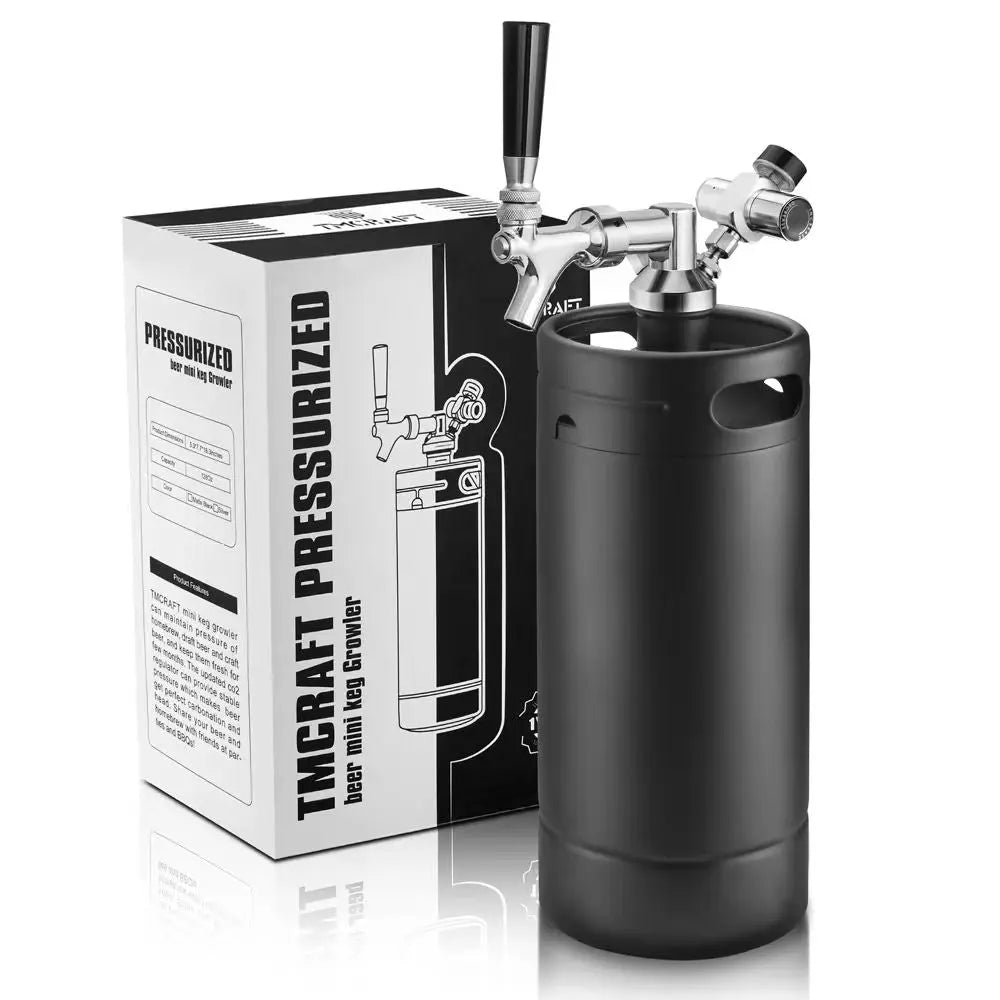
A coffee keg is a pressurized stainless steel container designed to store and dispense brewed coffee.
Similar to beer kegs used in draft systems, coffee kegs maintain internal pressure and prevent oxygen from entering during use.
A typical coffee keg system includes:
- Stainless steel keg body
- Airtight lid with sealing gasket
- Gas input for nitrogen or CO₂
- Dispensing tap or faucet
- Internal dip tube
Together, these components create a controlled environment that protects beverage quality.
How a Coffee Keg Preserves Cold Brew
The primary advantage of a coffee keg is its ability to maintain a sealed system.
The process works like this:
- Fresh cold brew is transferred into the keg.
- The lid seals the container airtight.
- Gas pressure is introduced.
- Coffee is dispensed through a tap.
- Gas replaces the liquid volume instead of air.
Because air never enters the container during pouring, oxidation is significantly reduced.
This simple difference can extend the freshness window of cold brew compared with traditional storage methods.
Coffee Kegs and Nitro Coffee Systems
Nitro coffee has become increasingly popular in specialty cafés. This beverage is created by infusing cold brew with nitrogen gas.
Nitrogen creates:
- A creamy texture
- A cascading visual effect
- A smoother mouthfeel
However, nitro coffee requires stable pressure to maintain these characteristics.
A nitro coffee keg allows nitrogen to remain dissolved in the beverage until it is poured through a specialized faucet.
Without a pressurized container, nitrogen quickly escapes and the signature texture disappears.
Why Stainless Steel Coffee Kegs Are Ideal
Material choice matters when storing beverages.
A stainless steel coffee keg offers several advantages over glass or plastic containers.
Flavor Neutrality
Stainless steel does not absorb coffee oils or aromas, ensuring that each batch tastes fresh.
Durability
Unlike glass containers, stainless steel can withstand pressure and repeated use without breaking.
Light Protection
Exposure to light can degrade coffee flavor compounds. Stainless steel blocks light completely.
Easy Cleaning
Smooth stainless steel surfaces are easier to sanitize than porous materials.
For these reasons, stainless steel is widely used in professional beverage storage systems.
Choosing the Right Coffee Keg Size
Coffee kegs are available in several sizes, allowing users to match capacity to consumption.
64 oz Coffee Keg
Best for individuals or small households.
128 oz Coffee Keg
A popular size for offices or moderate daily consumption.
1–3 Gallon Coffee Keg
Often used in cafés, events, or high-volume environments.
Choosing the right size ensures coffee is consumed while still fresh.
Gas Options for Coffee Keg Systems
Coffee keg systems may use several types of gas depending on the desired result.
Nitrogen (N₂)
Nitrogen is used for nitro coffee because it produces very small bubbles and a smooth mouthfeel.
Nitrous Oxide (N₂O)
Nitrous oxide is sometimes used in portable systems and can slightly enhance perceived sweetness.
CO₂
CO₂ is occasionally used for cold brew storage but introduces carbonation, which may not be desirable for all coffee styles.
Selecting the appropriate gas depends on whether the goal is preservation or nitro infusion.
Best Practices for Coffee Keg Maintenance
Regular cleaning ensures that a coffee keg system continues performing properly.
Recommended maintenance steps include:
- Rinse the keg immediately after emptying.
- Use a food-safe cleaning solution to remove coffee oils.
- Disassemble taps and fittings periodically.
- Replace worn seals when necessary.
Proper cleaning protects flavor and prevents contamination.
Common Coffee Keg Mistakes
New users sometimes encounter issues when setting up a coffee keg.
Leaving Oxygen in the Keg
Before sealing, the keg should be purged with gas to remove air.
Using Too Much Pressure
Excessive pressure can affect flow rate and texture.
Poor Cleaning Habits
Coffee oils build up quickly and must be removed regularly.
Avoiding these mistakes helps maintain consistent beverage quality.
Coffee Kegs Beyond Cold Brew
Although designed for cold brew, coffee kegs are also used for other beverages.
Examples include:
- Tea concentrates
- Sparkling water
- Kombucha
- Infused beverages
This versatility makes a coffee keg system a useful tool for many beverage enthusiasts.
Why TMCRAFT Coffee Kegs Support Better Cold Brew Storage
TMCRAFT coffee kegs are designed to combine durability with reliable performance.
Key features include:
- Food-grade stainless steel construction
- Secure sealing components
- Pressure relief valves
- Compatibility with nitrogen and cartridge systems
These features help maintain stable pressure while protecting beverage freshness.
Final Thoughts: Coffee Kegs Improve Cold Brew Quality
Cold brew coffee is only as good as the system used to store and serve it. Exposure to oxygen, temperature changes, and poor containers can quickly reduce quality.
A coffee keg provides a controlled environment that protects freshness, maintains flavor, and supports nitro coffee preparation.
For cafés, offices, and home enthusiasts alike, a well-designed coffee keg system offers a practical way to extend shelf life and deliver consistently great cold brew.
Link to: Cold Brew on Tap: How a Coffee Keg Protects Flavor, Texture, and Shelf Life