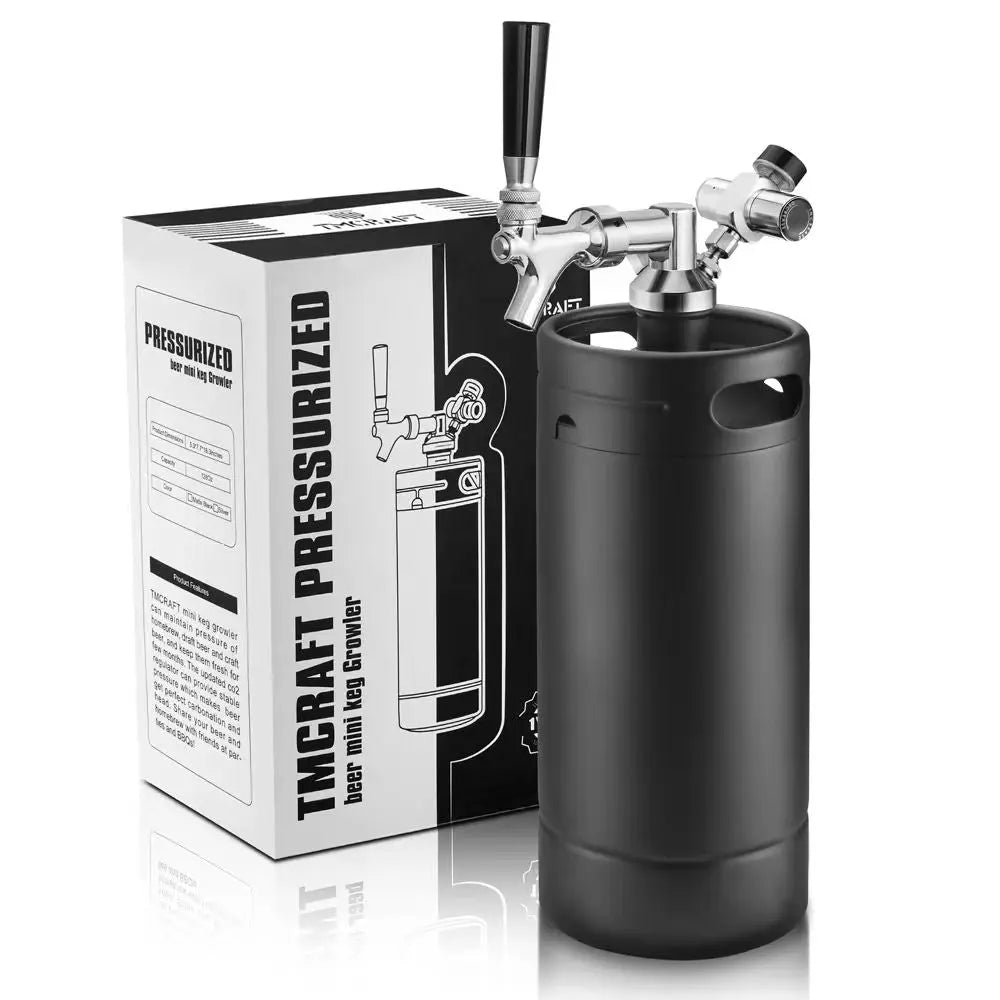


Cold Brew on Tap: How a Coffee Keg Protects Flavor, Texture, and Shelf Life
Primary Keyword
coffee keg
Secondary Keywords
coffee keg system, cold brew keg, nitro coffee keg, stainless steel coffee keg, cold brew storage, nitro coffee system, pressurized coffee container
Introduction: The Real Threat to Cold Brew Quality
Cold brew coffee is known for its smooth body, low acidity, and naturally sweet profile. However, once brewing is complete, a new challenge begins: preservation. Even carefully prepared cold brew can deteriorate rapidly if stored improperly. Flavor becomes dull, aroma fades, and texture thins out.
The issue is not brewing technique—it is exposure. Oxygen, inconsistent temperature, and unstable pressure accelerate degradation. A properly designed coffee keg addresses these variables by creating a sealed, pressurized environment that protects both flavor and mouthfeel.
This article explains why oxidation damages cold brew, how a coffee keg system works, and why professional and home users increasingly rely on stainless steel coffee kegs for consistent results.
Why Cold Brew Is Vulnerable After Brewing
Cold brew extraction typically occurs over 12–24 hours at low temperatures. The result is a concentrated beverage rich in aromatic oils and dissolved solids. These compounds are delicate.
Three factors contribute to rapid quality decline:
1. Oxidation
When oxygen contacts brewed coffee, it reacts with aromatic compounds. This process reduces brightness and complexity while introducing stale or bitter notes.
2. Light Exposure
Ultraviolet light can alter flavor compounds, especially when coffee is stored in clear containers.
3. Microbial Risk
Because cold brew is less acidic than hot coffee, it can be more susceptible to contamination if containers are not fully sealed and sanitized.
A coffee keg minimizes these risks through airtight storage and controlled dispensing.
What Is a Coffee Keg System?
A coffee keg system is a sealed, pressure-capable stainless steel container designed specifically for storing and serving cold brew or nitro coffee.
Unlike pitchers or glass bottles, a coffee keg integrates:
- Airtight lid with secure seal
- Gas input mechanism (nitrogen, nitrous oxide, or CO2)
- Dispensing tap
- Internal dip tube
This structure transforms coffee storage into a controlled draft system rather than passive refrigeration.
How a Coffee Keg Prevents Oxidation
The core advantage of a coffee keg is closed-loop dispensing.
- Brewed coffee is transferred into the keg.
- The lid seals the container airtight.
- Gas is introduced to establish pressure.
- Coffee is dispensed through a tap.
- Gas replaces the dispensed liquid volume.
Because gas replaces liquid instead of air, oxygen never enters the container during serving. This dramatically slows oxidation and preserves aroma.
For offices, cafés, or home users consuming cold brew over multiple days, this difference is substantial.
Nitro Coffee: Texture Requires Pressure Stability
Nitro coffee differs from standard cold brew because nitrogen gas is infused to create a cascading visual effect and creamy mouthfeel.
Nitrogen bubbles are smaller and less soluble than CO2 bubbles. To maintain consistent texture, pressure must remain stable throughout service.
A nitro coffee keg provides:
- Nitrogen-compatible fittings
- Stable internal pressure
- Smooth dispensing channels
Without a pressurized coffee keg system, nitro texture collapses quickly.
Gas Options for Coffee Kegs
Different gases serve different purposes within a coffee keg.
Nitrogen (N2)
- Produces creamy texture
- Minimizes acidity changes
- Ideal for nitro coffee
Nitrous Oxide (N2O)
- Slightly increases perceived sweetness
- Often used in portable cartridge systems
CO2
- Suitable for cold brew storage
- Adds mild carbonation if desired
Selecting the correct gas depends on whether the goal is preservation or texture enhancement.
Stainless Steel vs Plastic and Glass
Material selection significantly affects long-term coffee quality.
A stainless steel coffee keg offers:
- Resistance to coffee oil absorption
- Protection from light exposure
- Structural strength under pressure
- Easy sanitation
Plastic containers can retain odors and oils, while glass offers no insulation and limited durability.
For repeated use and consistent flavor integrity, stainless steel is the preferred material.
Temperature Stability and Shelf Life
Cold brew should remain refrigerated between 34–40°F (1–4°C). Frequent temperature changes accelerate flavor decline.
Coffee kegs, particularly insulated designs, help stabilize temperature during service. When combined with pressurized storage, this stability extends shelf life compared to open containers.
While exact shelf life depends on sanitation and storage conditions, sealed cold brew in a coffee keg consistently lasts longer than pitcher-stored coffee.
Coffee Keg Sizes and Applications
Coffee kegs are available in various capacities.
64 oz Coffee Keg
Suitable for personal use or small households.
128 oz Coffee Keg
Ideal for offices or moderate consumption environments.
1–3 Gallon Coffee Keg
Designed for cafés, events, and higher-volume service.
Selecting the correct size reduces waste and supports freshness by matching storage capacity to consumption rate.
Cleaning and Maintenance Best Practices
Coffee oils accumulate quickly inside dispensing systems. Without regular cleaning, residue affects flavor and hygiene.
Best practices include:
- Immediate rinsing after emptying
- Using food-safe cleaning solutions
- Disassembling taps and seals for deep cleaning
- Replacing worn O-rings
A well-maintained coffee keg system ensures consistent taste and long-term durability.
Common Mistakes to Avoid
Leaving Air in the Headspace
Failing to purge oxygen before sealing accelerates oxidation.
Over-Pressurizing
Excess pressure disrupts flow and affects nitro texture.
Infrequent Cleaning
Residue buildup leads to flavor carryover and sanitation issues.
Proper setup and maintenance maximize performance.
Beyond Coffee: Versatility of a Coffee Keg
Although optimized for cold brew, coffee kegs can also store:
- Tea concentrates
- Infused beverages
- Sparkling water
- Low-carbonation drinks
This versatility increases long-term value for both home and commercial users.
Why TMCRAFT Coffee Kegs Support Consistency
TMCRAFT coffee kegs are engineered with:
- Food-grade stainless steel construction
- Pressure-stable lids
- Durable sealing components
- Compatibility with nitrogen and non-threaded cartridge systems
These features allow reliable oxidation control, smooth nitro dispensing, and extended usability across multiple environments.
Final Thoughts: Preservation Is a System Decision
Cold brew quality does not end at extraction. Storage and dispensing determine whether flavor clarity and texture remain intact. A properly designed coffee keg system transforms coffee from a short-lived refrigerated beverage into a controlled draft experience.
By preventing oxygen exposure, stabilizing pressure, and supporting nitrogen infusion, a stainless steel coffee keg delivers longer shelf life and consistent results.
For users serious about cold brew and nitro coffee performance, investing in a reliable coffee keg is not a luxury—it is a structural upgrade that protects every batch brewed.
Link to: Why Coffee Keg Systems Are the Best Way to Store and Serve Cold Brew and Nitro Coffee