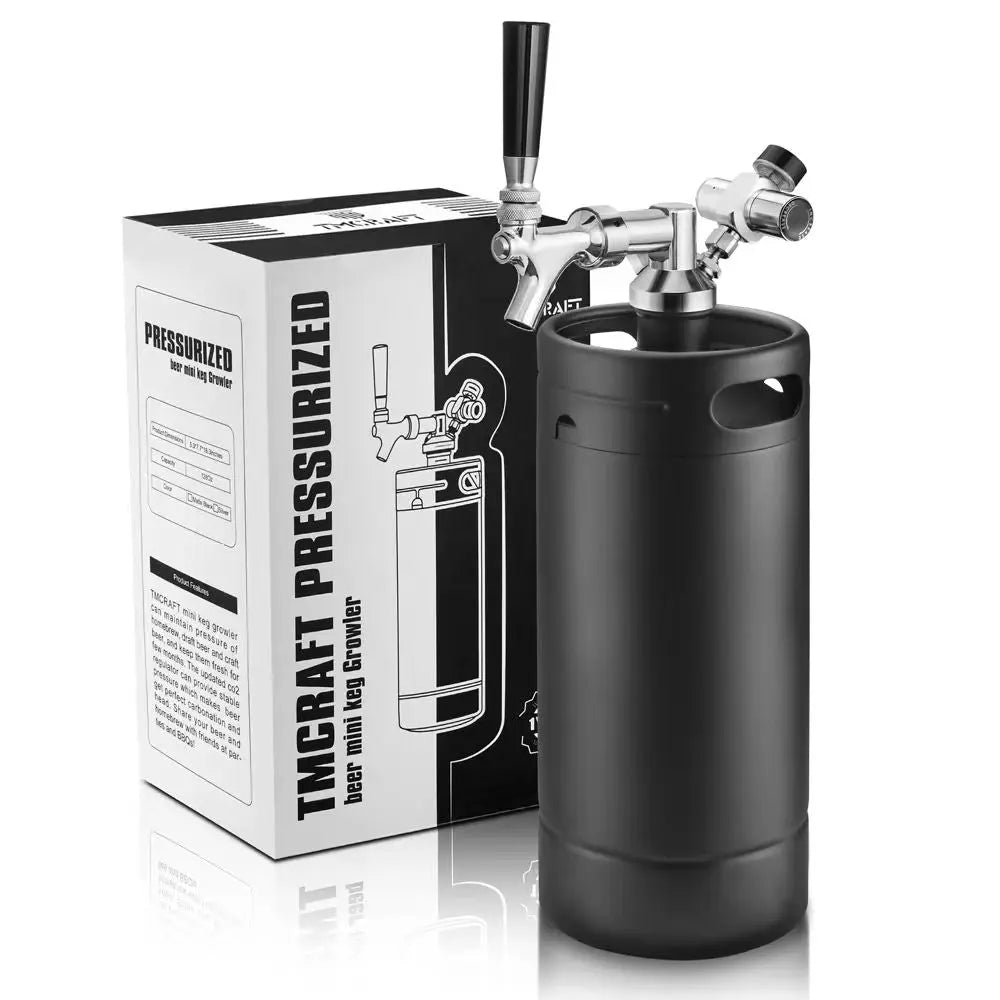


How Long Does Beer Last in a Mini Keg? What Affects Freshness After Opening
How Long Does Beer Last in a Mini Keg?
One of the most common questions people have after buying a mini keg is simple:
How long will my beer stay fresh?
There is no single number that applies to every keg of beer.
The freshness of mini keg beer depends on several things, including the type of beer, temperature, carbonation, how the keg is dispensed, and how much oxygen reaches the beverage.
A properly stored keg can help keep beer enjoyable, but opening and serving the keg changes the conditions inside it.
Understanding what happens after opening can help you get more from every batch.
What Makes Beer Lose Freshness?
Beer can change over time because of several factors.
The most important include:
- Oxygen exposure
- Temperature
- Light
- Microbial contamination
- Loss or change of carbonation
Oxygen is particularly important.
Once beer is exposed to oxygen, its flavor can gradually change. This is one reason a sealed storage system can be useful.
A mini keg keeps the beverage inside a closed container rather than requiring you to open an individual bottle or large pitcher every time you want a drink.
Does Opening the Keg Make a Difference?
Yes.
A keg that remains sealed has different conditions from an opened keg that is being served regularly.
When you use a proper draft system, the beverage can be dispensed while the keg remains closed.
This is different from repeatedly opening a container and pouring directly from it.
However, the dispensing method still matters.
If the keg is not properly sealed or the system introduces unwanted air, the beer may not stay in the same condition for as long.
Temperature Is One of the Biggest Factors
Keeping beer cold is important for maintaining its intended drinking characteristics.
Temperature can also affect carbonation.
Carbonated beer generally holds CO₂ differently depending on temperature. Warmer beer can release CO₂ more readily, which may affect both the pour and the drinking experience.
For this reason, proper refrigeration is an important part of beer storage.
If you plan to keep a mini keg for several days, maintaining a consistent serving temperature is better than repeatedly allowing the beer to warm up and cool down.
What About Carbonation?
Carbonation is another important part of kegged beer.
When a keg is connected to a suitable CO₂ system, pressure can help maintain carbonation while the beer is being dispensed.
If the system is not properly balanced, you may experience problems such as:
- Flat beer
- Excessive foam
- Inconsistent pours
The goal is not simply to use more pressure.
Temperature, carbonation level, pressure, and dispensing setup all need to work together.
Why a Stainless Steel Keg Can Help
A stainless steel keg is commonly used for beverage storage because it is durable, reusable, and relatively easy to clean.
For beer storage, these characteristics are useful because the keg can be cleaned and prepared for another batch rather than being treated as a disposable container.
However, the material alone does not determine how long your beer stays fresh.
A stainless steel keg still needs:
- Proper cleaning
- Good sealing
- Suitable temperature
- Appropriate dispensing equipment
- Regular maintenance
Good storage practices matter just as much as the keg material.
Does Beer Style Affect Freshness?
Yes.
Different beers can behave differently during storage.
Some highly aromatic beers are best enjoyed relatively fresh because their hop aromas and flavors can change over time.
Other beer styles may be more tolerant of longer storage.
This means you should consider the beer itself rather than assuming every mini keg beer has exactly the same useful storage period.
When possible, follow the brewer's recommendations for the specific beer.
How Can You Keep Mini Keg Beer Fresh Longer?
A few simple habits can help.
Keep It Cold
Store the keg at an appropriate temperature and avoid unnecessary warming.
Keep the System Sealed
Use the proper lid, fittings, and dispensing connections.
Keep the Faucet Clean
The faucet is part of the beverage path and should be cleaned regularly.
Avoid Unnecessary Agitation
Excessive movement can affect carbonation and make dispensing more difficult.
Drink It While It's at Its Best
Even under good conditions, beer is not designed to stay unchanged forever.
If you enjoy the flavor today, there is usually little reason to wait unnecessarily.
How Do You Know If Beer Has Lost Freshness?
The easiest way is to pay attention to changes in the beer.
Possible signs include:
- Reduced aroma
- Dull or stale flavor
- Unusual oxidation character
- Flat carbonation
- Unexpected off-flavors
Not every flavor change means the beer has spoiled. Some changes are simply signs that the beer is no longer at its best.
If you notice an unusual smell, appearance, or flavor, it is better to stop and evaluate the beverage rather than assuming it is safe to drink.
Mini Keg vs. Bottles for Storage
A mini keg can be convenient because one container can hold multiple servings.
Instead of opening several bottles individually, you can keep the beverage in one container and dispense it as needed.
This can be especially useful for:
- Homebrew
- Small gatherings
- Outdoor events
- Beer tastings
- Home bars
The important factor is not simply the container size. The way the beer is stored and dispensed also affects freshness.
A Simple Freshness Checklist
Before storing your keg, ask:
Is the keg clean?
Is the lid sealed properly?
Is the beer kept cold?
Is the dispensing system clean?
Is the carbonation appropriate?
Am I minimizing unnecessary oxygen exposure?
If the answer to all of these is yes, you are giving your beer a much better chance of staying enjoyable.
Final Thoughts: Freshness Is More Than a Number
So, how long does beer last in a mini keg?
There is no universal number.
The useful storage period depends on the beer, temperature, carbonation, dispensing method, cleanliness, and exposure to oxygen.
A stainless steel keg can provide a durable and reusable storage solution, but proper handling is what really helps protect beer freshness.
The best approach is simple:
Keep the beer cold, keep the keg sealed, keep the dispensing equipment clean, and enjoy the beer while it tastes its best.
Once you understand these factors, you can make better decisions about mini keg storage and get a more consistent draft beer experience from the first pour to the last.
Link to: How to Clean a Mini Keg Properly: A Simple Guide for Better-Tasting Drinks