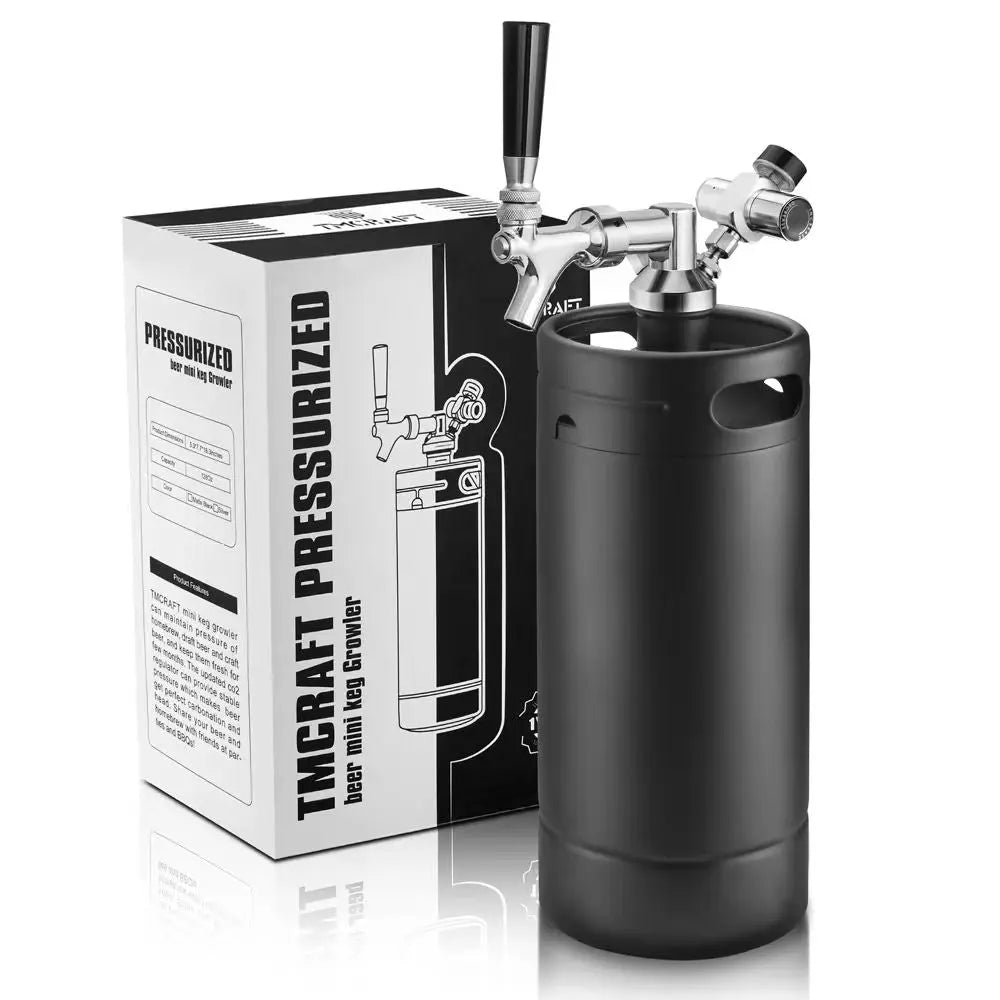


How Long Does Beer Last in a Ball Lock Keg? Storage Tips for Freshness and Quality
Primary Keywords:
ball lock keg, how long does beer last in a ball lock keg, stainless steel ball lock keg, ball lock keg storage
Secondary Keywords:
beer freshness in keg, keg shelf life, homebrew keg storage, reusable beer keg, TMCRAFT ball lock keg
One of the biggest advantages of kegging is freshness. A properly stored ball lock keg can help beer stay carbonated, flavorful, and ready to serve far longer than many people expect. But how long does beer actually last in a keg?
The answer depends on several factors:
- Sanitation
- Storage temperature
- Oxygen exposure
- Beer style
- Pressure stability
- Light protection
When handled correctly, a ball lock keg can preserve beer quality for weeks or even months. When handled poorly, flavor can decline quickly.
In this guide, you’ll learn how long beer lasts in a TMCRAFT ball lock keg, what affects shelf life, and how to maximize freshness from first pour to final glass.
Why Keg Storage Works So Well
Compared with loosely sealed containers or repeatedly opened bottles, a keg offers major storage advantages.
A sealed ball lock keg system helps protect beer from:
- Oxygen exposure
- Carbonation loss
- Contamination
- Light damage
- Frequent air contact
That controlled environment is why many homebrewers and beverage professionals choose keg storage.
Typical Beer Shelf Life in a Ball Lock Keg
While exact timelines vary, general expectations are:
Fresh Homebrew (Properly Sanitized and Refrigerated)
- Best flavor: 4–8 weeks
- Often enjoyable longer depending on style
Hoppy Styles (IPA, Pale Ale)
- Drink sooner for best hop aroma
- Ideal within first few weeks
Dark / Malt-Forward Styles
- Can remain enjoyable longer
Higher Alcohol Styles
- May age well over time if stored correctly
The keg does not stop aging entirely—but it can slow quality decline significantly.
What Determines How Long Beer Lasts?
1. Cleanliness and Sanitation
This is the most important factor.
If a keg is not properly cleaned before filling, residue or microbes can shorten shelf life quickly.
Always:
- Clean after each use
- Sanitize before filling
- Keep lines and fittings clean
A clean keg protects flavor.
2. Cold Storage Temperature
Beer stays fresher when kept cold.
Best practice:
- Refrigerate consistently
- Avoid repeated warming and cooling
Temperature swings can affect flavor stability and carbonation.
3. Oxygen Exposure During Filling
Oxygen is one of beer’s biggest enemies after fermentation.
Too much air during transfer can cause:
- Stale flavor
- Muted aroma
- Faster quality decline
To reduce oxygen:
- Transfer gently
- Minimize splashing
- Seal quickly
- Purge with gas when possible
4. Stable Pressure
A keg that slowly leaks gas may lose carbonation and freshness.
Check regularly for:
- Lid seal quality
- O-ring wear
- Tight connections
- Regulator issues
A well-sealed ball lock keg stores beer better.
5. Beer Style
Some styles are naturally more time-sensitive.
Drink Fresh First
- IPA
- Pale Ale
- Wheat Beer
Often Stable Longer
- Stout
- Porter
- Brown Ale
- Strong Ales
Hop-forward beers usually lose aroma sooner than malt-driven styles.
Signs Beer Is Still Fresh
Use your senses.
Aroma
Should smell pleasant and style-appropriate.
Carbonation
Should pour with expected liveliness.
Flavor
Should taste balanced, not papery or sour (unless intentionally sour).
Appearance
Should match style expectations.
Signs Beer Quality Has Declined
You may notice:
- Flat pour
- Cardboard-like flavor
- Sourness not intended by recipe
- Weak aroma
- Strange haze or residue
- Harsh oxidation notes
If these appear, review cleaning and storage habits.
How to Make Beer Last Longer in a Ball Lock Keg
Keep It Cold
Consistent refrigeration is one of the easiest ways to extend freshness.
Avoid Frequent Venting
Repeatedly releasing pressure can affect carbonation.
Only vent when needed.
Limit Opening the System
Keep the keg sealed unless cleaning or refilling.
Clean Serving Components
Dirty taps or lines can create flavor issues even if the keg itself is clean.
Finish Smaller Kegs Faster
If you consume slowly, a smaller keg size may help preserve peak flavor.
Ball Lock Keg vs Bottles for Freshness
| Feature | Ball Lock Keg | Bottles |
|---|---|---|
| Oxygen Exposure | Lower (if filled well) | Higher across many fills |
| Carbonation Control | Strong | Moderate |
| Serving Convenience | Excellent | Basic |
| Cleanup | Easier | More labor |
| Freshness Stability | Strong | Variable |
For many brewers, kegging offers a better long-term storage experience.
Why Stainless Steel Matters
A stainless steel ball lock keg improves storage conditions.
Opaque Body
Blocks damaging light.
Durable Seal Support
Strong structure helps maintain pressure.
Flavor Neutral Surface
Does not absorb taste or odor.
Easy to Sanitize
Supports clean storage cycles.
Why Choose TMCRAFT Ball Lock Kegs?
TMCRAFT kegs are built for freshness, reliability, and repeated use.
Benefits include:
- Food-grade stainless steel
- Strong sealing performance
- Easy-clean design
- Standard accessory compatibility
- Suitable for beer, coffee, kombucha, and more
- Built for home and light commercial beverage service
Whether storing a fresh IPA or a seasonal stout, TMCRAFT helps protect beverage quality.
Best Storage Routine for Homebrewers
Use this simple workflow:
After Brewing
- Clean and sanitize keg
During Transfer
- Fill gently
- Reduce oxygen exposure
During Storage
- Keep cold
- Maintain pressure
- Check seals
During Serving
- Use clean lines
- Keep temperature stable
This routine can dramatically improve results.
Frequently Asked Question
Does Beer Last Forever in a Keg?
No. Beer continues to age over time. A keg helps preserve quality longer, but freshness still matters.
Can Flat Beer Be Fixed?
Often yes. If flavor is still good, carbonation can sometimes be restored with proper pressure.
Is Refrigeration Required?
For best quality, yes—especially for most modern beer styles.
Final Verdict
So, how long does beer last in a ball lock keg? With proper cleaning, cold storage, stable pressure, and careful filling, beer can stay fresh for weeks and often longer.
The exact timeline depends on style and handling, but a quality keg system gives you one of the best ways to preserve flavor and carbonation at home.
A TMCRAFT ball lock keg helps make that process simple, reliable, and repeatable.
Link to: Ball Lock Keg Cleaning Guide: How to Sanitize, Maintain and Prevent Leaks