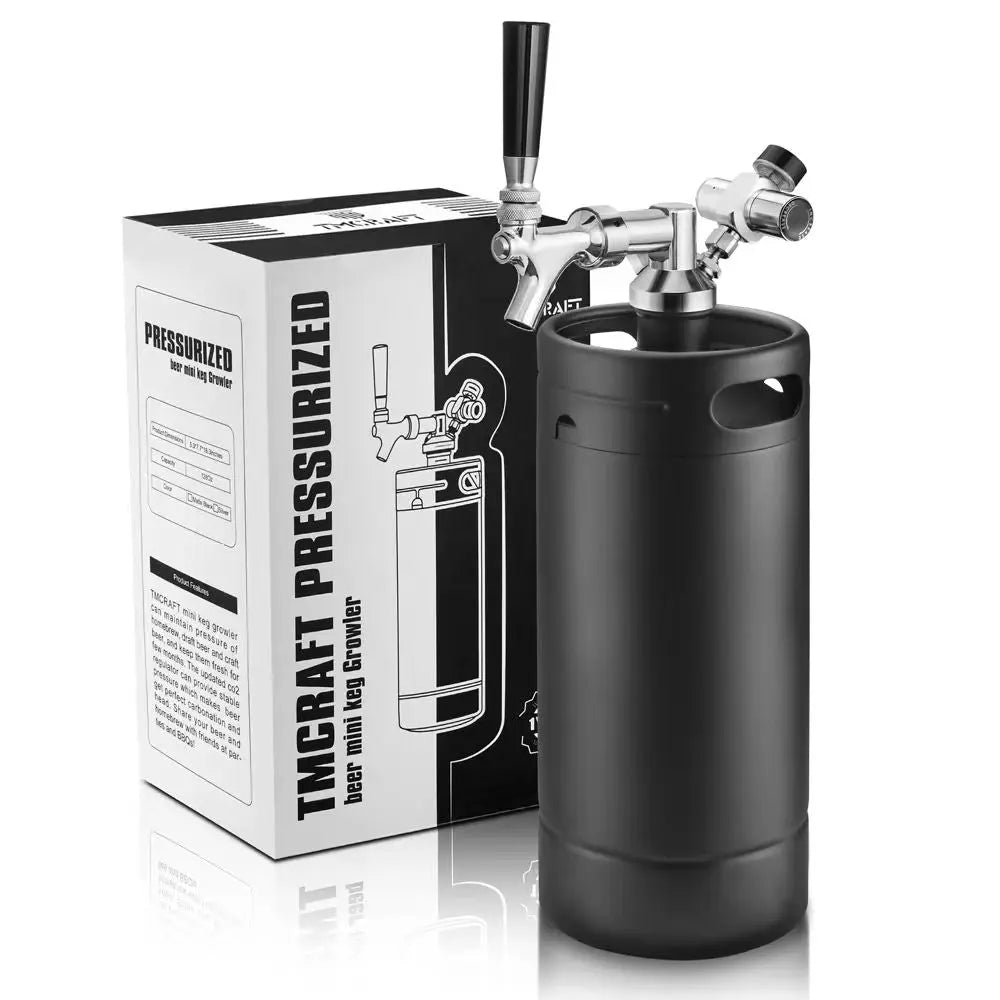


Ball Lock Keg Cleaning Guide: How to Sanitize, Maintain and Prevent Leaks
Primary Keywords:
ball lock keg, ball lock keg cleaning, ball lock keg maintenance, stainless steel ball lock keg
Secondary Keywords:
how to clean a ball lock keg, sanitize keg, prevent keg leaks, reusable keg system, TMCRAFT ball lock keg
A clean keg is the foundation of great-tasting beer, coffee, cider, kombucha, or any draft beverage. Even the best recipe can be ruined by residue, bacteria, old yeast, or damaged seals. That’s why proper ball lock keg cleaning is one of the most important habits for any brewer or beverage operator.
Many beginners focus on brewing techniques but underestimate maintenance. In reality, consistent cleaning protects flavor, improves carbonation performance, prevents leaks, and extends the life of your equipment.
The good news: maintaining a ball lock keg is easier than most people think.
In this guide, you’ll learn how to clean and sanitize a TMCRAFT ball lock keg, how to prevent leaks, what parts to inspect regularly, and how to keep your keg system running like new.
Why Ball Lock Keg Cleaning Matters
A dirty keg can cause multiple problems:
- Off-flavors
- Sour or stale aroma
- Bacteria contamination
- Poor head retention
- Sticky posts and fittings
- Pressure loss
- Shorter equipment lifespan
Many homebrew education resources emphasize that sanitation after fermentation is critical because finished beverages are more vulnerable to contamination. Regular keg maintenance is a core part of draft system care. (northernbrewer.com)
When you clean a ball lock keg properly, you protect both taste and hardware.
What Is a Ball Lock Keg?
A ball lock keg is a stainless steel pressurized keg that uses quick-connect gas and liquid posts. It is commonly used for:
- Homebrew beer
- Sparkling water
- Cold brew coffee
- Kombucha
- Cider
- Cocktails on tap
Because it is reusable and pressure-ready, it has become one of the most popular keg formats for homebrewers.
How Often Should You Clean a Ball Lock Keg?
The best practice is simple:
After Every Use
Clean the keg immediately after it becomes empty.
Before Every Refill
Sanitize before filling with fresh beverage.
Monthly Deep Inspection
Check posts, O-rings, dip tubes, and lid condition.
Routine care prevents larger problems later.
Supplies You Need
To clean a ball lock keg, prepare:
- Brewery-safe cleaner
- Food-safe sanitizer
- Warm water
- Soft brush
- Small brush for dip tubes
- Clean towel or drying rack
- Wrench/socket for posts (if removable)
- Replacement O-rings if needed
Avoid harsh household chemicals that may damage seals or leave residue.
Step-by-Step Ball Lock Keg Cleaning Guide
Step 1: Depressurize the Keg
Before opening the keg:
- Disconnect gas line
- Pull pressure relief valve
- Confirm all pressure is released
Never disassemble a pressurized keg.
Step 2: Remove the Lid
Open the lid and inspect inside.
Look for:
- Sediment
- Yeast ring
- Syrup residue
- Odor buildup
If cleaned promptly, residue usually removes easily.
Step 3: Rinse Immediately
Rinse the keg with warm water to remove loose debris before cleaner is added.
This prevents dried residue from becoming harder to remove.
Step 4: Wash with Cleaner
Fill partially with warm water and add brewery cleaner according to instructions.
Then:
- Swirl solution inside
- Let soak
- Scrub interior if needed
Pay special attention to the bottom seam and interior walls.
Step 5: Clean the Posts and Dip Tubes
Posts and tubes often hold hidden residue.
Remove components if your system allows.
Clean:
- Gas post
- Liquid post
- Poppets
- Long liquid dip tube
- Short gas dip tube
Use small brushes where needed.
This step is essential for true ball lock keg maintenance.
Step 6: Rinse Thoroughly
Any cleaner left behind can affect flavor or foam.
Rinse all parts completely with clean water.
Step 7: Sanitize Before Use
Before refilling the keg, sanitize all surfaces.
Include:
- Interior
- Lid
- Posts
- Tubes
- Connectors
Drain fully after sanitizing.
Now the keg is ready for fresh beverage.
How to Prevent Ball Lock Keg Leaks
Leaks are one of the most common frustrations, but they are usually easy to solve.
Check O-Rings Regularly
Inspect:
- Lid O-ring
- Dip tube O-rings
- Post O-rings
Replace cracked, flattened, or stretched seals.
Lubricate Food-Grade Seals
A small amount of food-safe keg lubricant can improve sealing and reduce wear.
Tighten Posts Correctly
Loose posts can leak. Over-tightening can damage threads.
Tighten firmly but carefully.
Test with Pressure
After assembly:
- Add gas pressure
- Listen for leaks
- Spray starsan/water around fittings
- Watch for bubbles
Fix leaks before filling valuable product.
Common Cleaning Mistakes to Avoid
1. Waiting Too Long
Old residue becomes harder to remove and increases contamination risk.
Clean promptly after emptying.
2. Cleaning Only the Main Chamber
Posts and dip tubes often cause flavor problems if ignored.
Disassemble periodically.
3. Skipping Sanitizer
A clean keg is not always a sanitized keg.
Use both cleaner and sanitizer.
4. Using Abrasive Tools
Steel wool or harsh scrubbers can damage surfaces.
Use soft cleaning tools only.
5. Ignoring Small Leaks
Even a tiny gas leak can flatten beverages over time.
Ball Lock Keg Maintenance Checklist
Use this quick routine.
After Each Use
- Rinse keg
- Wash interior
- Clean lid
- Dry or sanitize
Every Few Uses
- Remove posts
- Clean dip tubes
- Inspect seals
Every Few Months
- Replace worn O-rings
- Deep clean all fittings
- Pressure test system
Consistent maintenance saves money and avoids downtime.
Why Stainless Steel Kegs Are Easier to Maintain
A stainless steel ball lock keg offers major advantages.
Non-Porous Surface
Does not absorb flavor or odor.
Durable Construction
Handles repeated cleaning cycles.
Rust Resistance
Designed for wet beverage environments.
Professional Hygiene Standard
Preferred material in many beverage systems.
Why Choose TMCRAFT Ball Lock Kegs?
TMCRAFT kegs are built for reliable everyday use.
Benefits include:
- Food-grade stainless steel
- Easy-clean interior design
- Strong sealing performance
- Standard accessory compatibility
- Durable construction for repeated cycles
- Suitable for beer, coffee, kombucha, and more
Whether you are a beginner or experienced brewer, TMCRAFT helps simplify keg ownership.
Best Uses for a Clean Ball Lock Keg
Once maintained properly, your keg can serve:
- Homebrew beer
- Sparkling water
- Nitro coffee
- Kombucha
- Cider
- Cocktails
One clean keg can support many beverage styles.
Final Verdict
Proper ball lock keg cleaning is one of the easiest ways to improve beverage quality and protect your equipment.
With a simple routine—clean after use, sanitize before refill, inspect seals regularly—you can prevent leaks, preserve flavor, and extend keg life for years.
A TMCRAFT ball lock keg makes that process easier with durable stainless steel construction and dependable performance.
Link to: Ball Lock Keg Setup Guide: Everything Beginners Need to Start Kegging Fast