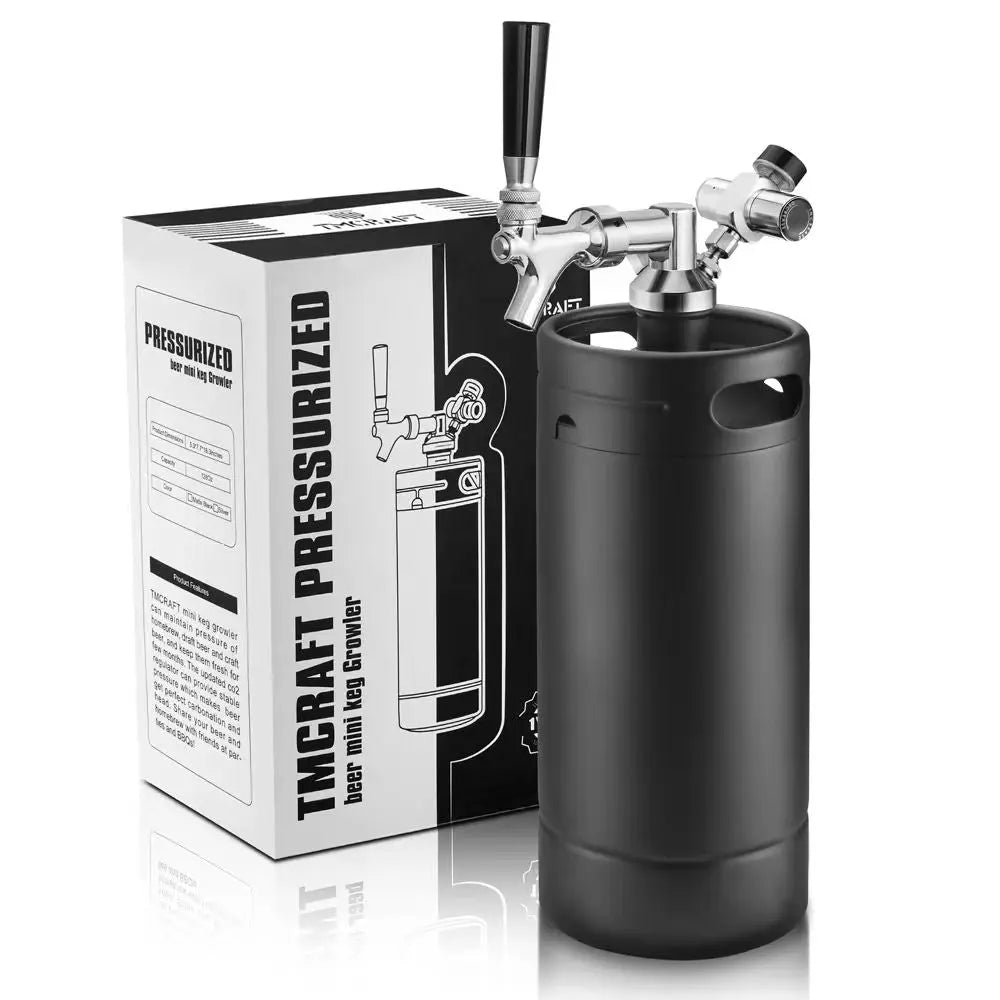


From Homebrew to Draft Perfection: How Ball Lock Kegs Give You Complete Beverage Control
Taking Your Beverage Experience to the Next Level
For many home beverage enthusiasts, the journey starts with simple methods: brewing beer in small batches, preparing homemade sparkling water, or making fresh cold brew coffee in the kitchen.
However, as interest grows, many people discover that creating a great beverage is only part of the process. The real challenge is maintaining freshness, controlling carbonation, and serving each drink with consistent quality.
This is where a ball lock keg system becomes a valuable upgrade.
A ball lock keg brings professional-style beverage technology into home environments. It allows users to store drinks under controlled pressure, manage carbonation levels, and serve beverages directly from a tap.
Whether you are an experienced homebrewer or someone exploring beverage creation for the first time, understanding how a ball lock keg works can help you achieve better results and enjoy a more convenient serving experience.
What Is a Ball Lock Keg?
A ball lock keg is a reusable stainless-steel pressure container designed for storing and dispensing beverages.
Unlike standard containers that simply hold liquid, a ball lock keg creates a controlled environment where pressure can be adjusted to protect beverage quality.
The term “ball lock” refers to the connection system located on top of the keg. These quick-connect fittings use locking mechanisms that attach gas and beverage lines securely.
A typical ball lock keg includes:
- Stainless-steel keg body
- Removable lid
- Pressure relief valve
- Gas post
- Liquid post
- Dip tubes
- Sealing O-rings
- Quick disconnect fittings
Together, these components create a complete beverage storage and dispensing system.
Why Home Beverage Makers Choose Ball Lock Kegs
The growing popularity of ball lock kegs comes from one major advantage: control.
Traditional bottles and containers offer limited control after a beverage is prepared. A ball lock keg gives users the ability to manage:
- Carbonation
- Pressure
- Storage conditions
- Serving speed
- Beverage freshness
This makes it especially useful for people who regularly prepare homemade beverages.
Instead of filling multiple bottles, users can store an entire batch in one sealed keg and serve it whenever needed.
Understanding How a Ball Lock Keg System Works
A ball lock keg system works by combining storage, gas pressure, and dispensing technology.
The basic process is simple:
- Beverage is transferred into the keg
- The keg is sealed tightly
- Gas enters through the gas connection
- Pressure builds inside the keg
- Beverage is pushed through the liquid line
- The drink is served through a faucet
This process allows users to maintain beverage quality while creating a convenient draft experience.
The Two Essential Connections: Gas Side and Liquid Side
One of the first things beginners need to understand is the difference between the two keg connections.
Gas Post: Managing Pressure
The gas post is responsible for bringing gas into the keg.
It connects to:
- CO₂ tanks
- Nitrogen systems
- Pressure regulators
The gas creates pressure inside the keg, which helps with carbonation and dispensing.
For carbonated beverages, controlling gas pressure is essential because it affects the final drinking experience.
Liquid Post: Delivering the Beverage
The liquid post connects to the beverage line.
Inside the keg, a long dip tube reaches near the bottom. When pressure is applied, the beverage travels upward through the tube and moves toward the faucet.
This design allows users to pour beverages consistently without opening the keg.
How Ball Lock Kegs Improve Beverage Freshness
Freshness is one of the biggest reasons people upgrade to keg systems.
Many beverages change when exposed to oxygen.
A sealed ball lock keg helps reduce this problem.
Protecting Flavor
The stainless-steel structure helps protect beverages from external conditions such as:
- Light exposure
- Air contact
- Temperature fluctuations
This allows drinks to maintain their intended flavor profile.
Maintaining Carbonation
Carbonated beverages depend on pressure balance.
A ball lock keg allows users to maintain carbonation longer compared with many traditional storage methods.
This is especially valuable for:
- Craft beer
- Sparkling water
- Kombucha
Reducing Waste
Instead of using many disposable bottles or cans, one reusable keg can store and serve a larger batch.
This makes ball lock kegs an attractive choice for environmentally conscious beverage makers.
Carbonation Control: The Biggest Advantage of Kegging
One of the main reasons people choose ball lock kegs is the ability to control carbonation.
Different beverages require different carbonation levels.
For example:
Craft Beer
Different beer styles have different carbonation requirements. A keg system allows brewers to adjust carbonation based on their preferred style.
Sparkling Water
Homemade sparkling water often requires stronger carbonation. A ball lock keg makes it easier to create and maintain refreshing bubbles.
Kombucha
Fermented beverages naturally produce carbonation, and keg systems help manage pressure during storage and serving.
Nitro Coffee
Nitro coffee uses nitrogen rather than traditional carbonation to create a smooth, creamy texture.
A compatible keg system can help recreate the café experience at home.
Building Your First Ball Lock Keg Setup
Creating a kegging system may seem complicated, but the basic components are straightforward.
1. Choose the Right Ball Lock Keg
The keg size should match your needs.
Consider:
- Beverage volume
- Storage space
- Frequency of use
- Number of people you serve
2. Add a Gas Supply
Most carbonated beverages use CO₂.
The gas supply provides the pressure needed for carbonation and dispensing.
3. Use a Pressure Regulator
A regulator controls how much gas enters the keg.
This helps prevent:
- Excess foam
- Poor carbonation
- Unstable pouring
Pressure adjustment is an important skill for achieving consistent results.
4. Connect Beverage Lines
The beverage line carries the drink from the keg to the faucet.
A properly balanced system helps create smooth pours.
5. Install a Faucet
The faucet controls the final serving process.
A quality dispensing setup improves convenience and creates a professional presentation.
Ball Lock Kegs vs. Bottling: Why Many People Make the Switch
Bottling remains popular, especially for beginners.
However, many experienced beverage makers eventually move toward kegging.
Bottling Advantages
- Simple equipment
- Easy individual storage
- Convenient sharing
Bottling Limitations
- Time-consuming filling process
- More cleaning work
- More packaging waste
- Less control over serving
Ball Lock Keg Advantages
A kegging system provides:
- Faster preparation
- Easier serving
- Better carbonation control
- Less packaging
- Professional draft experience
For people who make beverages regularly, the difference can be significant.
Ball Lock Kegs Are Useful Beyond Beer
Although homebrewers commonly use ball lock kegs, their applications extend far beyond beer.
Homemade Beer
This remains one of the most popular uses.
Benefits include:
- Better carbonation management
- Easier storage
- Direct draft serving
Cold Brew Coffee
Coffee lovers can prepare larger batches and store them in a sealed keg.
Benefits include:
- Reduced oxidation
- Convenient serving
- Consistent flavor
Sparkling Water
A keg system allows users to create customized carbonated beverages.
Popular additions include:
- Fruit flavors
- Herbs
- Natural extracts
Fermented Drinks
Ball lock kegs are useful for beverages such as kombucha because they provide controlled storage and dispensing.
Choosing the Right Ball Lock Keg Size
Selecting the correct capacity depends on your beverage habits.
Small Ball Lock Kegs
Ideal for:
- Beginners
- Small batches
- Limited refrigerator space
- Recipe testing
Medium Ball Lock Kegs
Suitable for:
- Regular home use
- Weekly beverage preparation
- Family gatherings
Large Ball Lock Kegs
Designed for:
- Experienced homebrewers
- Larger batches
- Events and parties
Choosing the right size prevents unnecessary storage issues and improves convenience.
Cleaning and Maintenance: The Key to Better Results
A clean keg system is essential for beverage quality.
Even small amounts of residue can affect future batches.
Clean the Keg After Every Use
After emptying the keg:
- Rinse thoroughly
- Remove residue
- Clean internal surfaces
Pay Attention to Small Parts
Important components include:
- O-rings
- Posts
- Dip tubes
- Beverage lines
- Faucets
These areas should receive regular attention.
Sanitize Before Refilling
Sanitation helps prevent unwanted flavors and keeps beverages tasting fresh.
A well-maintained keg also lasts longer and performs better.
Common Beginner Mistakes With Ball Lock Kegs
Learning a keg system takes some practice.
Here are common issues and solutions.
Too Much Foam
Possible causes:
- Beverage temperature is too high
- Pressure is too strong
- Lines are not balanced
Solutions:
- Cool the beverage properly
- Adjust pressure settings
- Check the dispensing system
Flat Beverage
Possible causes:
- Not enough carbonation time
- Low pressure
- Poor sealing
Solutions:
- Allow more carbonation time
- Check connections
- Adjust pressure carefully
Gas Leaks
Possible causes:
- Damaged seals
- Loose fittings
- Worn O-rings
Solutions:
- Inspect components
- Replace damaged parts
- Ensure proper connections
How Ball Lock Kegs Create a Professional Beverage Experience at Home
One of the biggest benefits of kegging is the experience it creates.
Instead of opening bottles or pouring from containers, users can enjoy:
- Fresh draft beverages
- Consistent servings
- Easy entertaining
- More creative drink options
A home keg system brings the feeling of a craft brewery, coffee shop, or beverage bar into your own space.
Final Thoughts: Taking Control of Every Pour
A ball lock keg is more than a storage solution—it is a complete beverage management system.
By controlling pressure, carbonation, storage, and dispensing, users can improve both the quality and convenience of their favorite drinks.
Whether you are brewing beer, making sparkling water, preparing cold brew coffee, or experimenting with new beverages, a ball lock keg gives you the flexibility to create better drinks and enjoy a professional-style draft experience at home.
Link to: Ball Lock Kegs Explained: The Complete Guide to Building Your First Kegging Setup