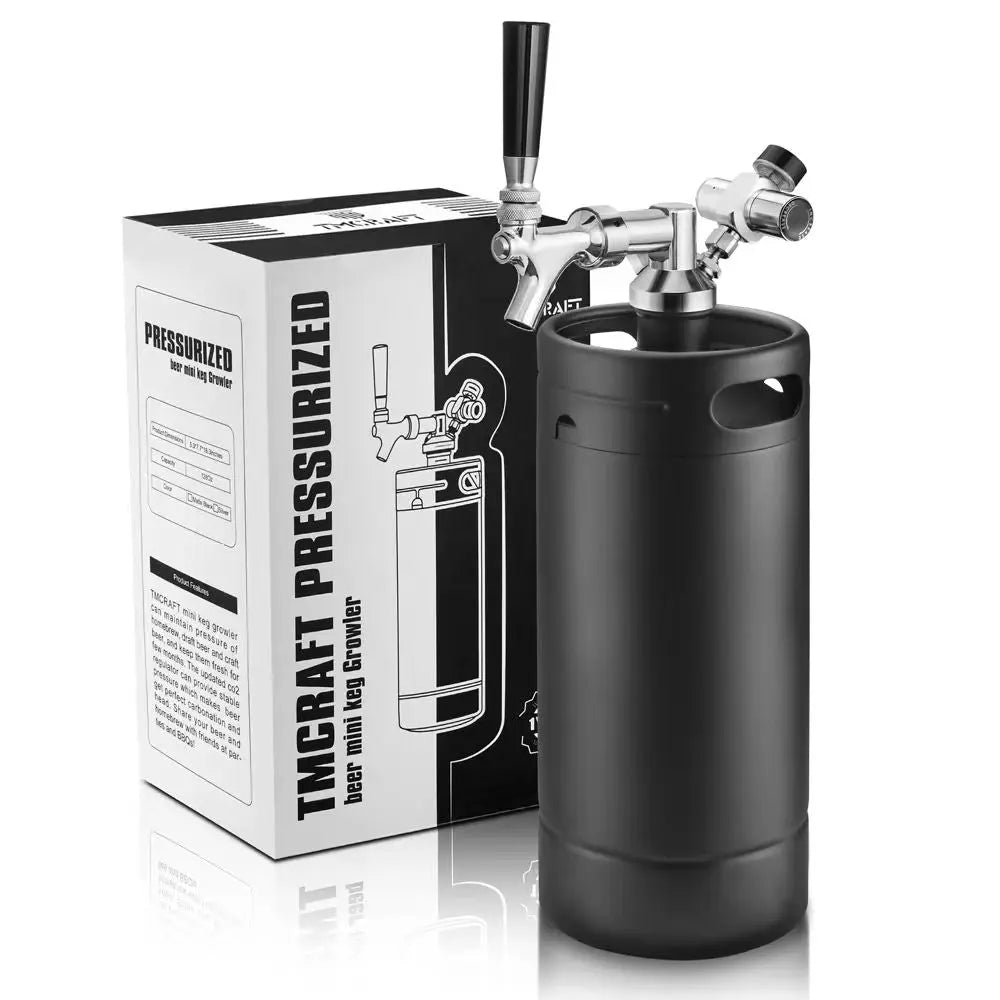


Ball Lock Kegs Explained: The Complete Guide to Building Your First Kegging Setup
Moving Beyond Bottles to a Better Beverage System
For many homebrewers and beverage enthusiasts, the journey begins with bottles. Bottling is a traditional and reliable method, but as experience grows, many people start looking for a more efficient way to store, carbonate, and serve their beverages.
This is where a ball lock keg system becomes an exciting upgrade.
A ball lock keg provides a professional-style draft experience while remaining practical for home use. It allows users to control carbonation, reduce packaging waste, simplify serving, and enjoy fresher beverages directly from a tap.
Although the equipment may seem complicated at first, understanding the basic components and how they work together makes building a kegging system much easier.
Whether you are brewing craft beer, making sparkling water, preparing cold brew coffee, or experimenting with fermented beverages, a ball lock keg can become the foundation of a flexible home beverage setup.
What Is a Ball Lock Keg?
A ball lock keg is a stainless-steel pressure vessel designed to store and dispense beverages using controlled gas pressure.
Unlike ordinary containers, a ball lock keg does more than hold liquid. It creates a sealed environment where users can manage carbonation and serving conditions.
The system uses quick-connect fittings called “ball lock” connections. These fittings attach gas and beverage lines to two separate posts located on the top of the keg.
A typical ball lock keg includes:
- Stainless-steel keg body
- Removable lid
- Pressure relief valve
- Gas post
- Liquid post
- Gas dip tube
- Liquid dip tube
- O-rings and seals
Each part contributes to maintaining beverage quality and creating a smooth draft experience.
Why Do Homebrewers Choose Ball Lock Kegs?
The popularity of ball lock kegs comes from the control they provide.
Traditional bottles require individual filling, capping, and storage. While this method works, it can become time-consuming when producing larger batches.
A kegging system simplifies the process by allowing users to:
- Transfer larger quantities at once
- Carbonate beverages more efficiently
- Serve directly from a faucet
- Adjust pressure according to beverage needs
- Reduce bottle cleaning and storage
For people who make beverages regularly, switching to a keg system can save time while improving consistency.
Understanding the Main Components of a Ball Lock Keg
Before building your first kegging system, understanding the main parts is essential.
Stainless-Steel Keg Body
The keg body is the main storage chamber.
Food-grade stainless steel is commonly used because it provides:
- Excellent durability
- Resistance to corrosion
- Easy cleaning
- Protection against light exposure
- Minimal impact on beverage flavor
A high-quality stainless-steel keg can be reused for many years with proper maintenance.
Keg Lid and Pressure Relief Valve
The removable lid allows users to fill, clean, and inspect the inside of the keg.
Most lids include a pressure relief valve that allows excess pressure to be released safely.
This feature helps with:
- Safe operation
- Easy cleaning
- Pressure adjustment
Gas Post
The gas post is where the CO₂ or nitrogen line connects.
Its main functions are:
- Introducing gas into the keg
- Maintaining internal pressure
- Supporting carbonation
The gas enters the empty space above the beverage, creating pressure that helps maintain carbonation and push the liquid toward the faucet.
Liquid Post
The liquid post connects the keg to the beverage line.
Inside the keg, a long dip tube extends near the bottom. When pressure builds inside the keg, the beverage travels through this tube and moves toward the dispensing faucet.
This design ensures that the beverage can be served consistently from the beginning to the end of the keg.
How Pressure Control Creates Better Beverages
Pressure management is one of the biggest advantages of a ball lock keg system.
Different beverages require different serving conditions.
For example:
- Craft beer needs balanced carbonation
- Sparkling water requires higher carbonation
- Kombucha requires controlled pressure
- Nitro coffee uses nitrogen infusion for texture
A kegging system allows users to adjust:
- Gas pressure
- Carbonation time
- Serving pressure
- Temperature
This level of control helps create a better final beverage experience.
Building Your First Ball Lock Keg Setup
Creating a basic kegging system does not have to be complicated.
A complete setup usually includes several key components.
1. Ball Lock Keg
The keg stores your beverage and provides a sealed environment.
Choose a capacity based on:
- Brewing volume
- Storage space
- Serving frequency
2. CO₂ Tank
A CO₂ tank provides the gas needed for carbonation and dispensing.
For beer and sparkling beverages, carbon dioxide is commonly used because it dissolves into liquid effectively.
3. Pressure Regulator
The regulator controls how much gas pressure enters the keg.
Without a regulator, pressure cannot be adjusted accurately.
A good regulator helps prevent:
- Excessive foam
- Under-carbonation
- Inconsistent pouring
4. Gas and Beverage Lines
These connect the keg to the gas source and faucet.
The gas line delivers pressure into the keg, while the beverage line carries the drink to the tap.
5. Faucet or Dispensing System
The faucet controls the final serving process.
A balanced draft system provides:
- Smooth pouring
- Proper foam level
- Better presentation
Carbonation Methods for Ball Lock Kegs
One of the most exciting parts of kegging is controlling carbonation.
There are several common approaches.
Natural Carbonation
Some beverages can carbonate naturally through fermentation.
This method is often used for certain beer styles and fermented drinks.
Force Carbonation
Force carbonation uses CO₂ from a gas cylinder.
The process involves:
- Filling the keg with finished beverage
- Connecting the CO₂ supply
- Applying controlled pressure
- Allowing gas to dissolve into the liquid
This method provides more control and faster results.
Ball Lock Kegs Are Not Only for Beer
Although ball lock kegs are strongly associated with homebrewing, they are useful for many beverages.
Craft Beer
Beer is the most common application.
A ball lock keg allows brewers to:
- Store finished beer
- Maintain carbonation
- Serve directly from a tap
This eliminates much of the work associated with bottling.
Sparkling Water
Homemade sparkling water has become increasingly popular.
A keg system allows users to:
- Carbonate larger batches
- Add custom flavors
- Serve fresh sparkling drinks anytime
Cold Brew Coffee
Coffee lovers can use ball lock kegs to store cold brew while reducing oxygen exposure.
A keg system also allows convenient draft-style coffee serving.
Kombucha
Kombucha naturally produces carbonation, and a keg system provides better control over storage and dispensing.
Cleaning and Maintenance: The Foundation of Great Flavor
A well-maintained keg system produces better beverages.
Cleaning should become part of your regular routine.
Clean the Keg After Every Use
After emptying the keg:
- Rinse immediately
- Remove remaining residue
- Clean internal surfaces
Pay Attention to Small Components
Many flavor problems come from neglected parts such as:
- O-rings
- Dip tubes
- Posts
- Beverage lines
- Faucets
These areas should be cleaned regularly.
Sanitize Before Refilling
Sanitation helps prevent unwanted microorganisms from affecting flavor.
A clean keg system ensures each batch tastes fresh and consistent.
Common Beginner Mistakes and How to Avoid Them
Starting with a keg system can involve a learning process.
Here are some common mistakes.
Using Incorrect Pressure
Too much pressure may create excessive foam.
Too little pressure may result in flat beverages.
The solution is finding the correct balance for your beverage type.
Not Cooling Beverages Before Carbonation
Cold liquid absorbs CO₂ more effectively.
Proper temperature control improves carbonation results.
Ignoring Cleaning
Residue buildup can affect taste and equipment performance.
Regular cleaning is essential for long-term success.
Choosing the Wrong Keg Size
A keg that is too large may be inconvenient, while one that is too small may require frequent refilling.
Consider your actual usage before purchasing.
Choosing the Right Ball Lock Keg Size
Ball lock kegs come in different capacities.
Smaller Kegs
Best for:
- Beginners
- Small batches
- Limited storage space
- Experimenting with recipes
Medium Kegs
Suitable for:
- Regular home use
- Frequent beverage preparation
- Family gatherings
Larger Kegs
Ideal for:
- Experienced homebrewers
- Larger batches
- Parties and events
The right size depends on your lifestyle and beverage goals.
Upgrading From Bottles to a Ball Lock Keg System
For many beverage enthusiasts, moving to a keg system is a natural next step.
The upgrade provides:
More Convenience
Less time spent filling and cleaning bottles.
Better Control
Adjust carbonation and serving conditions according to preference.
Better Presentation
Serve beverages directly from a tap for a professional experience.
More Creativity
Experiment with different beverage styles and recipes.
Final Thoughts: Building a Better Beverage Experience
A ball lock keg is more than a storage container—it is the foundation of a complete draft beverage system.
By understanding the connections, pressure control, carbonation process, and maintenance requirements, beginners can confidently build a setup that delivers fresh and consistent beverages.
Whether you are brewing your first batch of beer, creating homemade sparkling water, preparing cold brew coffee, or exploring new beverage ideas, a ball lock keg gives you the control and flexibility needed to enjoy a better drinking experience at home.
Link to: Inside the Pressure System: How Ball Lock Kegs Help You Master Carbonation and Beverage Quality