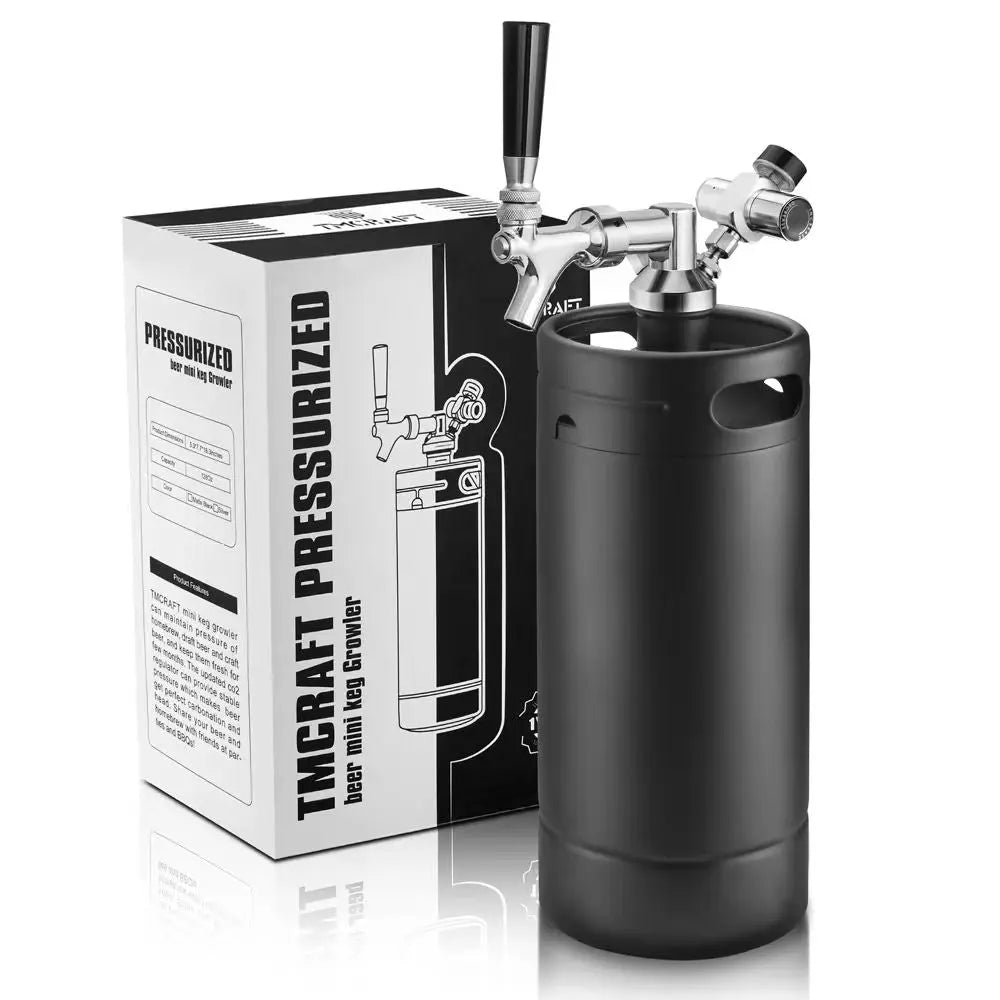


Can You Travel With a Mini Keg? Tips for Taking Draft Drinks Beyond Your Kitchen
Can a Mini Keg Really Go With You?
A draft beverage system does not always have to stay behind your kitchen counter.
One of the biggest advantages of a mini keg is its compact size. Compared with a full-size keg system, a smaller keg can be easier to move, store, and bring to gatherings.
This makes people ask an obvious question:
Can you actually travel with a mini keg?
The answer is yes, but transporting and serving a keg away from home requires some planning.
Whether you are taking homemade beer to a backyard barbecue, bringing cold brew to a picnic, or preparing drinks for a weekend gathering, you need to think about temperature, pressure, transportation, and dispensing.
A little preparation can make a portable keg much easier to use.
Why Use a Mini Keg for Outdoor Drinks?
Bottles and cans are convenient, but they are not the only way to serve beverages away from home.
A portable keg can provide several advantages.
Instead of carrying many individual containers, you can bring one larger beverage container and serve drinks directly from a faucet.
This can be useful for:
- Backyard parties
- Picnics
- Camping trips
- Family gatherings
- Outdoor events
- Homebrew tastings
A portable setup can also reduce the amount of individual packaging you need to carry.
Choose the Right Keg Size
The first thing to consider is capacity.
A mini keg for travel should be large enough for your event but small enough to transport comfortably.
For a short gathering, a smaller keg may be more practical.
For a larger party, a higher-capacity option can reduce the need for refilling.
Before leaving home, think about:
- Number of guests
- Expected servings
- Transportation space
- Available refrigeration
- How long the event will last
Choosing the correct capacity makes the entire trip easier.
Why Stainless Steel Is Useful for a Portable Keg
Material matters when you plan to transport a keg frequently.
A stainless steel keg is a popular choice because stainless steel offers durability and resistance to corrosion while providing a reusable beverage container.
This is particularly useful when a keg is moved between:
- Home
- Car
- Outdoor events
- Storage areas
A quality stainless steel keg can also be easier to clean and maintain between uses.
For a portable beverage system, durability is not just about appearance. The container needs to handle regular filling, cleaning, transportation, and serving.
Keep the Beverage Cold
Temperature is one of the most important considerations when transporting draft beverages.
Beer, cold brew, and other beverages are generally best served at their appropriate temperatures.
Before traveling, chill the beverage thoroughly.
Then use an insulated cooler or suitable cold-storage method during transportation.
Try to avoid leaving the keg in direct sunlight or inside a hot vehicle for extended periods.
Keeping the beverage cold can also help with dispensing. Warm carbonated beverages are more likely to produce excessive foam when poured.
Protect the Keg During Transportation
A keg should be transported carefully.
Place it somewhere stable so that it does not roll or move around unnecessarily.
If you are carrying the keg in a vehicle, secure it appropriately and avoid placing heavy objects on top of it.
You should also protect:
- Faucet
- Gas connections
- Beverage lines
- Regulator
- Other fittings
Small components can be damaged more easily than the keg body itself.
A simple carrying or storage arrangement can make transportation much easier.
Think About Your Dispensing System
Transporting the keg is only half the job.
You also need a way to serve the beverage when you arrive.
A basic portable draft system may include:
- Mini keg
- Faucet
- Beverage line
- Gas system, if required
- Pressure regulator, when applicable
The exact setup depends on the beverage and keg configuration.
For a carbonated beverage, maintaining appropriate pressure is important. For non-carbonated drinks, a different dispensing approach may be sufficient.
Before leaving home, test the complete system.
It is much easier to discover a loose connection in your kitchen than at a picnic.
Check Your Connections Before Leaving
A small leak can become a big inconvenience when you are away from home.
Before transportation, inspect:
- Lid seal
- O-rings
- Gas connections
- Beverage connections
- Faucet
- Tubing
If your system uses gas pressure, check the connections carefully.
You can also test the system before packing everything into your vehicle.
The goal is simple: make sure the system works before you travel.
What Beverages Can You Take in a Mini Keg?
A mini keg is not limited to beer.
Depending on the keg and dispensing equipment, you can use a portable system for different beverages.
Craft Beer
Beer is one of the most common choices.
A mini keg can make it easier to bring homemade beer to a gathering while keeping it ready for draft-style serving.
Cold Brew Coffee
Cold brew is another practical option.
A chilled keg can provide convenient serving at outdoor events, offices, or weekend gatherings.
Sparkling Beverages
Carbonated water and other sparkling drinks can also work with suitable equipment.
Always make sure the keg and dispensing system are appropriate for the beverage and pressure involved.
How to Prepare Your Mini Keg Before a Trip
A simple preparation routine can prevent many problems.
1. Clean the Keg
Make sure the keg is clean before filling it.
2. Fill the Beverage
Transfer your prepared drink carefully.
3. Chill Thoroughly
Give the beverage enough time to reach the appropriate serving temperature.
4. Check the Seal
Make sure the lid and fittings are properly sealed.
5. Test the Dispensing System
Connect your equipment and make sure the beverage flows correctly.
6. Pack for Transportation
Secure the keg, lines, faucet, and other accessories.
This process may take only a few extra minutes, but it can make your outdoor serving experience much smoother.
What About Carbonation During Travel?
If you are transporting a carbonated beverage, movement and temperature can affect the way it pours.
Try to keep the keg cold and avoid unnecessary shaking.
If the keg has been moved significantly, give it time to settle before serving.
When you arrive, check the temperature and dispensing setup before pouring the first glass.
If the first pour is too foamy, do not immediately assume something is wrong with the keg. Temperature, pressure, and beverage-line balance can all affect the pour.
Cleaning After Your Trip
Outdoor use can expose your equipment to more dirt and dust than normal.
After the event, clean the keg and dispensing components as soon as practical.
Pay particular attention to:
- Faucet
- Beverage line
- Connectors
- Lid
- Interior of the keg
Proper cleaning helps prevent old beverage residue from affecting the next batch.
This is especially important if you use the same keg for different beverages.
Is a Mini Keg Good for Travel?
A mini keg can be a convenient option when you want to take draft beverages beyond your home.
The key is choosing an appropriate size and preparing the complete system before you leave.
Think about four things:
Keep it cold.
Keep it secure.
Keep the connections sealed.
Keep the dispensing system clean.
With these basics covered, a portable keg can turn a regular outdoor gathering into a draft-beverage experience.
Final Thoughts: Take Your Draft Drinks With You
One of the best things about a mini keg is its flexibility.
You do not have to limit draft beverages to your refrigerator or home bar. With proper preparation, you can bring a portable system to a backyard party, picnic, camping trip, or other gathering.
A durable stainless steel keg, suitable dispensing equipment, good temperature control, and careful transportation can make the experience much easier.
The most important lesson is to prepare the entire system—not just the keg.
When your beverage is chilled, your connections are secure, and your dispensing equipment is ready, enjoying fresh draft drinks away from home becomes much simpler.
Link to: How Long Does Beer Last in a Mini Keg? A Simple Guide to Freshness and Storage