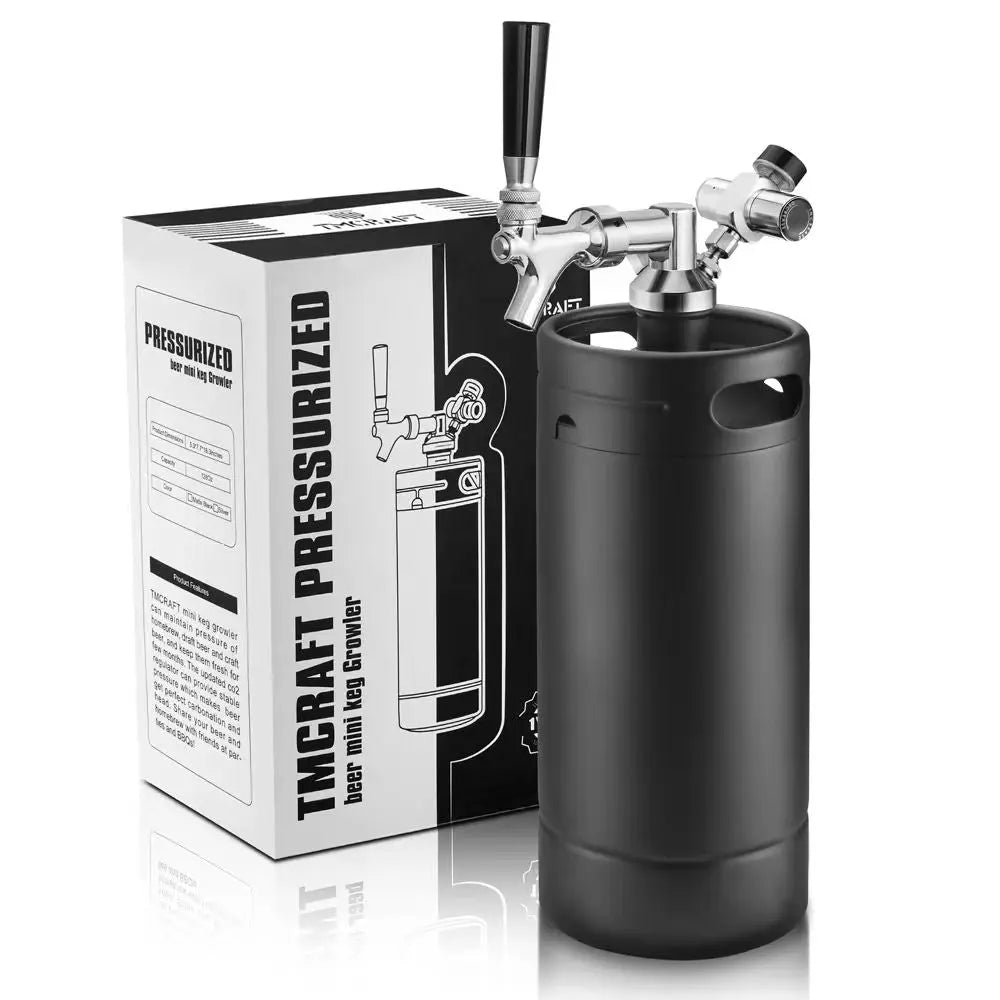


How Long Does Beer Last in a Mini Keg? A Simple Guide to Freshness and Storage
How Long Can Beer Stay Fresh in a Mini Keg?
Putting fresh beer into a mini keg is an easy way to enjoy draft beer at home. But once the keg is filled, an important question comes up:
How long will the beer stay fresh?
There is no single answer because beer freshness depends on several factors. Temperature, oxygen exposure, carbonation, storage conditions, and how the beer is dispensed can all affect the final drinking experience.
The good news is that a properly stored mini keg can help keep beer enjoyable for longer than an opened bottle or pitcher. Understanding a few simple storage principles can help you get better results from your keg.
What Affects Beer Freshness in a Mini Keg?
Beer does not suddenly become bad after a specific number of days. Instead, its flavor gradually changes over time.
Three important factors are oxygen, temperature, and light.
Oxygen can cause beer to lose some of its fresh character. Temperature changes can also affect flavor and carbonation. Light can be especially harmful to certain beers, which is one reason beer is often stored in dark containers.
A sealed mini keg can help reduce some of these problems by keeping the beverage in a closed container.
Keep Your Mini Keg Cold
Temperature is one of the most important parts of mini keg storage.
Beer generally stays fresher when it is kept properly chilled. Warm storage can accelerate flavor changes and may also make dispensing more difficult.
If possible, keep your keg refrigerated before serving.
A cold keg also makes it easier to achieve a smooth pour. If beer becomes too warm, CO₂ can come out of the beverage more quickly during dispensing, which may lead to excessive foam.
For the best experience, think of temperature as part of the entire kegging process—not just something to consider before drinking.
Why Oxygen Exposure Matters
After beer is packaged, oxygen exposure can gradually affect its flavor.
This is one area where a keg can be convenient. Instead of opening a bottle every time you want a drink, a properly sealed keg can remain closed while beer is dispensed through the beverage line.
A CO₂-assisted system can also help maintain pressure as beer is served.
The goal is simple: keep unnecessary air away from the beer.
This is particularly useful when you do not plan to finish the entire batch immediately.
Does the Type of Keg Matter?
Yes, the construction of your keg can make a difference in durability and maintenance.
A stainless steel keg is a popular choice for home beverage storage because stainless steel is durable, reusable, and relatively easy to clean.
For a mini keg, these characteristics are especially useful because the container may be filled, emptied, cleaned, and reused many times.
A clean storage environment is important for maintaining beer flavor. Residue left inside the keg or dispensing equipment can affect the next batch.
What About Carbonation?
Carbonation is another important part of the drinking experience.
A mini keg can be used with an appropriate pressure system to carbonate and dispense beer. The amount of carbonation you want depends on the beer style and your personal preference.
Too much pressure can contribute to foamy pours, while too little pressure can result in a flat beverage.
For beginners, it is better to make pressure adjustments gradually and observe how the beer pours.
Remember that carbonation and dispensing pressure are related, but they are not exactly the same thing. Understanding this difference becomes more important as you gain experience with kegging.
How Long Does Beer Usually Last?
The practical answer depends on the beer, storage conditions, and kegging setup.
An unopened and properly stored mini keg can generally preserve beer quality better than a container that is repeatedly opened and exposed to air. Once you begin serving, freshness will gradually change.
For home users, the best approach is not to focus only on a specific number of days.
Instead, pay attention to:
- Storage temperature
- Whether the keg remains sealed
- Beer style
- Cleanliness of the equipment
- Dispensing method
- Changes in aroma or flavor
If the beer still smells and tastes fresh, it is usually a better indication of quality than simply counting days.
How to Get Better Results From Your Mini Keg
A few simple habits can improve your experience.
1. Clean the Keg After Use
Rinse and clean the keg as soon as possible after finishing the beverage. Dried beer residue is harder to remove and can affect future batches.
2. Clean the Beverage Line
Do not focus only on the keg itself. The faucet and beverage line also come into direct contact with your drink.
3. Keep the Keg Cold
Consistent refrigeration helps protect beer quality and supports better dispensing.
4. Check the Seals
Inspect the lid gasket, fittings, and other sealing components regularly. Worn or damaged seals can cause pressure problems.
5. Avoid Unnecessary Opening
If your keg is designed to remain pressurized, avoid opening it repeatedly. Keeping the system closed helps reduce unnecessary oxygen exposure.
Mini Keg or Bottles: Which Is Better for Freshness?
Both methods have advantages.
Bottles are convenient for individual servings and sharing. They are also easy to transport.
A mini keg, however, can be more convenient when you want to serve several drinks from one container. It also reduces the number of individual bottles you need to clean and store.
For people who regularly make homebrew or enjoy draft beer, a reusable mini keg can be a practical alternative to bottling.
Final Thoughts: Make Your Mini Keg Work for You
A mini keg is more than a smaller version of a traditional beer keg. It provides a convenient way to store and serve beer while reducing the need for individual bottles.
The key to better beer freshness is simple: keep the beer cold, limit oxygen exposure, maintain proper carbonation, and keep your equipment clean.
Choosing a durable stainless steel keg and taking care of the complete dispensing system can also make your kegging routine easier over time.
Whether you are serving homebrew at a weekend gathering or enjoying one glass after work, good storage and proper maintenance can help your beer taste closer to the way you intended—from the first pour to the last.
Link to: Mini Keg Buying Guide: 7 Things to Know Before Choosing Your First Home Draft System