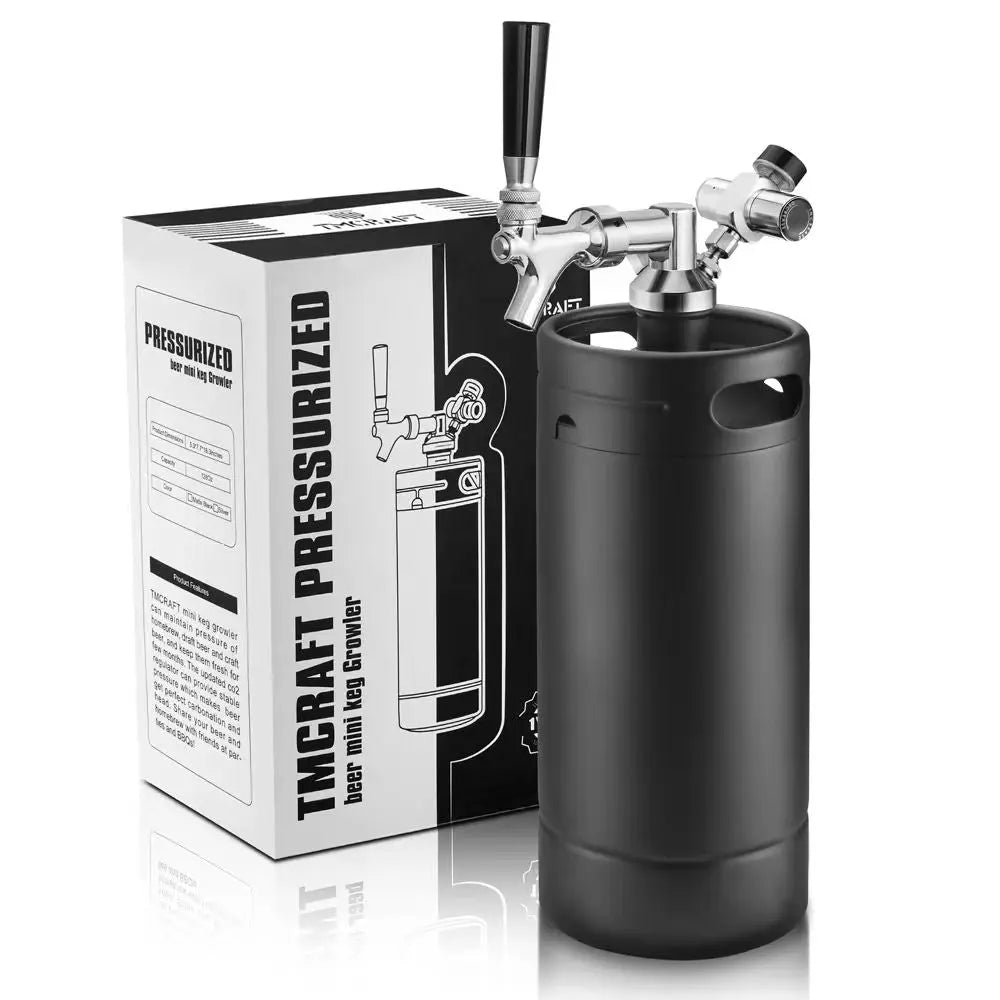


Can You Put Milk in a Coffee Keg? What to Know Before Serving Milk-Based Drinks
Coffee served from a keg can be convenient for cafés, offices, parties, and home coffee setups. But if you want to make something more than plain cold brew, you may wonder: Can you put milk in a coffee keg?
The answer depends on the beverage, equipment, temperature control, and food-safety requirements involved.
Milk and milk-based drinks need more careful handling than plain black cold brew. Before putting a milk-based beverage into a coffee keg, it is important to understand how temperature, storage time, cleaning, and dispensing affect the drink.
Milk Requires Careful Temperature Control
The first thing to consider is temperature.
Milk is perishable, so a milk-based coffee drink needs to be kept properly refrigerated. A keg does not replace refrigeration.
If you plan to use a coffee keg for a milk-based beverage, make sure the complete system can maintain the required cold temperature during storage and serving.
This is especially important at parties or events where the keg may be outside a refrigerator for extended periods.
Do not assume that an insulated container alone provides sufficient temperature control for milk.
Think About the Entire Beverage
A milk coffee may contain more than just milk and coffee.
For example, you might be preparing:
- Cold brew with milk
- Iced latte-style drinks
- Sweetened milk coffee
- Flavored coffee drinks
- Other ready-to-serve dairy beverages
Sugar, syrups, cream, and other ingredients can affect how the beverage behaves inside the system.
Before using a cold brew keg for a new recipe, consider whether all of the ingredients are suitable for the keg, beverage lines, faucet, seals, and other components.
Cleaning Becomes Even More Important
Milk residue can be more difficult to remove than plain coffee residue.
If milk remains inside the keg, beverage line, or faucet, it can create a much bigger cleaning challenge than a black cold brew system.
After serving a milk-based beverage, clean the complete beverage-contact system promptly according to the equipment manufacturer's cleaning instructions.
That includes the keg, lid, fittings, dip tube, beverage line, and faucet.
Do not clean only the inside of the keg and assume the rest of the system is ready for the next drink.
Pay Attention to the Beverage Line
The beverage line deserves special attention when serving milk coffee.
Milk can leave residue along the inside of the tubing. If the line is not cleaned thoroughly, that residue may affect the next batch.
For a coffee dispensing system, regular line cleaning is part of maintaining good beverage quality.
If you frequently switch between plain cold brew and milk-based drinks, consider how you will clean the system between beverages and whether separate beverage-contact components would make your workflow easier.
What About a Nitro Coffee Keg?
A nitro coffee keg can create a smooth, creamy drinking experience, but adding milk changes the beverage and may change how the system needs to be managed.
Nitrogen, pressure, temperature, and the dispensing equipment all need to be appropriate for the beverage.
Do not assume that a setup designed for black nitro cold brew is automatically suitable for every milk-based drink.
Follow the equipment manufacturer's specifications and use the appropriate gas and pressure settings for your system.
Is Stainless Steel Suitable?
A stainless steel keg can be useful for beverage applications because stainless steel is durable and can be cleaned thoroughly when properly maintained.
For milk-based beverages, however, the keg material is only one part of the equation.
The lid seal, posts, dip tube, beverage line, faucet, and other beverage-contact parts also need to be suitable for the application and cleaned correctly.
A stainless steel container does not eliminate the need for careful refrigeration and sanitation.
Keep the Batch Size Practical
If you are experimenting with milk coffee for the first time, consider starting with a smaller batch.
A smaller coffee keg can make it easier to manage refrigeration and reduce waste if the recipe needs adjustment.
You can also test the dispensing system before committing to a larger batch.
Pay attention to how the drink tastes, how it pours, and how easy the system is to clean afterward.
Final Thoughts
Can you put milk in a coffee keg?
Milk-based coffee drinks require more attention than plain cold brew because refrigeration, storage, cleaning, and food-safety considerations become especially important.
If you decide to keg a milk coffee, start with a suitable recipe, keep the beverage properly chilled, use compatible equipment, and clean every beverage-contact component carefully after use.
A stainless steel keg can be part of a reusable coffee system, but successful milk-coffee dispensing depends on the entire setup—not just the container.
For many users, black cold brew may be simpler to keg and maintain. But with the right equipment, careful temperature control, and a consistent cleaning routine, you can better understand whether a milk-based coffee keg fits your particular serving needs.
Link to: How to Keep Cold Brew Flavor Consistent From the First Keg to the Last Pour