

How to Keep Cold Brew Flavor Consistent From the First Keg to the Last Pour
Making a large batch of cold brew is convenient, but keeping the flavor consistent from the first glass to the last one requires a little planning. When coffee is stored and served from a cold brew keg, changes in temperature, sediment, brewing strength, and dispensing conditions can affect the taste.
The good news is that you do not need a complicated system. Consistent coffee starts with a consistent recipe and continues with proper keg preparation, storage, and serving.
Start With a Repeatable Recipe
The easiest way to improve consistency is to make the cold brew recipe repeatable.
Use the same type and amount of coffee, water, grind size, and brewing time each time you prepare a batch. Small changes in the recipe can produce noticeable differences in strength and flavor.
If you are making coffee for a coffee keg, record your recipe. Write down the coffee-to-water ratio, brewing time, and any other important details.
This gives you a simple reference when you make the next batch.
Filter Before Filling the Keg
Sediment can change the drinking experience as the batch moves through the keg.
After brewing, filter the cold brew carefully before transferring it into the keg. Removing excess coffee particles can help create a cleaner beverage and reduce the amount of material that may settle inside the keg or enter the beverage line.
If you want a very clear cold brew, you may need additional filtration. However, avoid changing your filtration method between batches if your goal is to keep the flavor and texture consistent.
Keep the Coffee Cold
Temperature is an important part of cold brew storage and serving.
Keep the filled keg refrigerated and avoid unnecessary temperature changes. If the coffee becomes warm and then cold again, the drinking experience may change.
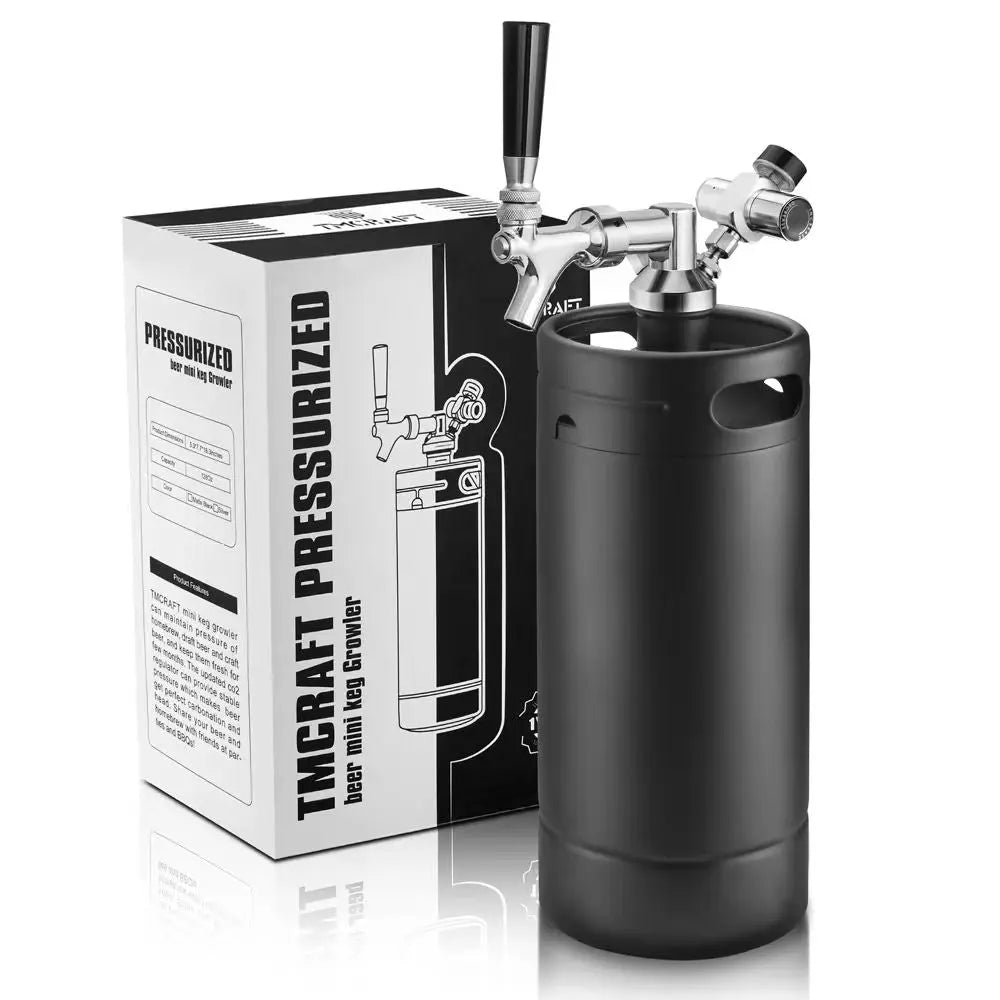
A properly chilled stainless steel keg can be a practical option for beverage storage because stainless steel is durable and can be thoroughly cleaned when properly maintained.
Always follow the storage and food-safety guidance appropriate for your coffee and equipment.
Keep the Dispensing System Clean
Your keg is not the only part that affects flavor.
The beverage line, faucet, connectors, and other beverage-contact components can also hold coffee residue. Coffee oils and small particles may build up over time and affect the flavor of a later batch.
Clean the entire dispensing system according to the equipment manufacturer's instructions. Do not focus only on the inside of the keg.
If you change from one coffee recipe to another, cleaning becomes particularly important. Residue from the previous batch can make it harder to taste the new coffee accurately.
Be Consistent With Your Gas Setup
If you are serving nitro cold brew, the gas system becomes another part of the equation.
Nitrogen is commonly associated with nitro coffee because it can create a smooth texture and fine bubbles. However, the correct gas, regulator, pressure, and dispensing components depend on the equipment and beverage.
Do not assume that the same pressure works for every system. Follow the manufacturer's recommendations for your specific nitro cold brew setup.
If you are serving regular cold brew without nitrogen, use the dispensing method appropriate for that beverage and equipment.
Watch the First and Last Pour
It can be useful to compare the first glass with the last glass from a keg.
If the flavor becomes noticeably different, look for possible causes such as sediment, temperature changes, inconsistent filtration, or residue in the dispensing system.
If the strength changes significantly, also review your brewing and transfer process. Making sure the batch is thoroughly mixed before filling can help maintain consistency, depending on your recipe and equipment.
Make Every Batch More Predictable
A cold brew keg can make serving coffee easier, especially when you want several people to enjoy the same beverage throughout the day.
For better consistency, focus on the entire process: use a repeatable recipe, filter carefully, keep the keg cold, clean the dispensing system, and follow the correct gas and pressure guidance for your setup.
Once these habits become part of your routine, it becomes much easier to serve cold brew that tastes familiar from the first pour to the last.
Link to: What Grind Size Is Best for Cold Brew Keg Coffee? A Simple Starting Guide