

Ball Lock Keg vs Bottling: Which Saves More Time for Busy Homebrewers?
Ask ten homebrewers whether they prefer bottling or kegging, and you'll likely receive ten passionate answers. Packaging is one of the final steps in the brewing process, but it often determines how enjoyable the overall hobby remains.
For many beginners, bottling represents the traditional path into homebrewing. It requires minimal equipment investment and allows brewers to package beer without specialized draft systems. However, as brewing frequency increases, many hobbyists begin searching for ways to simplify the process.
This is where the ball lock keg enters the conversation.
Kegging has transformed the way countless brewers package and serve their beer. By replacing dozens of individual bottles with a single reusable container, a homebrew keg system can significantly reduce labor while improving convenience.
But does kegging truly save time?
In this guide, we'll compare bottling vs kegging across every major stage of the packaging process to help determine which method best suits busy homebrewers.
Understanding the Bottling Process
Bottling has long been the standard method for packaging homebrew.
The typical homebrew bottling process includes:
- Cleaning bottles
- Sanitizing bottles
- Preparing priming sugar
- Filling each bottle individually
- Applying caps
- Waiting for bottle conditioning
For brewers producing a standard five-gallon batch, this often means handling approximately fifty bottles.
While many brewers appreciate the simplicity of bottling equipment, the process can become time-consuming.
Understanding the Ball Lock Keg System
A ball lock keg is a pressurized stainless steel container designed for storing and dispensing beverages.
A typical homebrew keg system includes:
- Ball lock corny keg
- CO2 tank
- Gas regulator
- Beverage tubing
- Faucet or tap system
Instead of packaging beer into individual bottles, brewers transfer an entire batch into a single keg.
The beer can then be carbonated and dispensed directly from the system.
Comparing Preparation Time
One of the biggest differences in bottling vs kegging involves preparation.
Bottling Preparation
Tasks often include:
- Inspecting bottles
- Removing labels
- Cleaning bottles
- Sanitizing dozens of containers
Preparation alone may require substantial time.
Kegging Preparation
Preparation typically involves:
- Cleaning one keg
- Sanitizing the keg
- Checking seals and fittings
Many brewers report that keg preparation requires considerably less effort.
Filling Efficiency: One Container vs Fifty
Packaging efficiency often determines whether brewers continue enjoying the hobby.
Bottling
Each bottle must be:
- Filled individually
- Monitored for overflow
- Capped separately
For larger batches, this repetition becomes significant.
Kegging Homebrew
With kegging homebrew, brewers generally transfer the finished beer into one vessel.
Benefits include:
- Fewer handling steps
- Reduced packaging time
- Less repetitive labor
For individuals with limited free time, this difference can be substantial.
Carbonation: Waiting vs Control
Carbonation is another major distinction.
Bottle Conditioning
Bottled beer relies on residual yeast activity.
Brewers must:
- Add priming sugar
- Wait for fermentation
- Allow conditioning time
This process often takes one to three weeks.
Force Carbonation
A ball lock corny keg uses CO2 pressure to carbonate beer.
Advantages include:
- Greater consistency
- Adjustable carbonation levels
- Faster turnaround times
Many brewers can begin serving beer within days rather than weeks.
Cleaning Requirements
Cleaning represents one of the least glamorous aspects of brewing.
However, it directly influences packaging efficiency.
Bottling Cleanup
Tasks include:
- Rinsing bottles
- Removing sediment
- Storing clean bottles
- Managing caps and accessories
These responsibilities continue indefinitely.
Corny Keg Maintenance
Routine corny keg maintenance generally involves:
- Cleaning the keg body
- Sanitizing components
- Inspecting O-rings
- Occasional replacement of seals
Many brewers find this process easier than maintaining large bottle inventories.
Storage Considerations
Storage affects both convenience and organization.
Bottles
Bottling often requires space for:
- Empty bottles
- Filled bottles
- Bottle carriers
- Caps and accessories
Large collections can occupy significant storage areas.
Ball Lock Kegs
A stainless steel keg consolidates storage.
Fewer containers simplify organization.
However, refrigeration systems may require dedicated space.
Serving Convenience
The serving experience differs dramatically.
Bottled Beer
Serving involves:
- Retrieving bottles
- Opening each bottle individually
- Managing bottle disposal or collection
Draft Beer Systems
A draft beer system allows users to dispense beer directly from the keg.
Advantages include:
- Faster serving
- Consistent pours
- Improved presentation
- Reduced cleanup
For entertaining guests, kegging often provides a superior experience.
Cost Considerations
Equipment costs vary significantly.
Bottling Costs
Lower initial investment.
Common expenses include:
- Bottles
- Caps
- Bottle fillers
- Priming sugar
Kegging Costs
Higher upfront investment.
Equipment may include:
- Ball lock keg
- CO2 tank
- Regulator
- Faucet system
However, reusable equipment may provide value over time.
Which Method Is Better for Busy Homebrewers?
The answer depends largely on brewing frequency.
Bottling May Be Ideal If You:
- Brew occasionally
- Have minimal equipment budgets
- Prefer portability of individual servings
- Enjoy traditional methods
Kegging May Be Ideal If You:
- Brew frequently
- Value efficiency
- Entertain regularly
- Want greater carbonation control
- Prefer draft-style serving
For many active brewers, the time savings associated with kegging beer at home eventually outweigh the initial equipment investment.
Why Ball Lock Kegs Remain Popular
The enduring popularity of the ball lock keg stems from several practical advantages.
These include:
- Reduced packaging time
- Simplified cleaning
- Force carbonation capabilities
- Improved serving convenience
- Long-term durability
The ball lock corny keg continues to represent one of the most effective upgrades available to homebrewers.
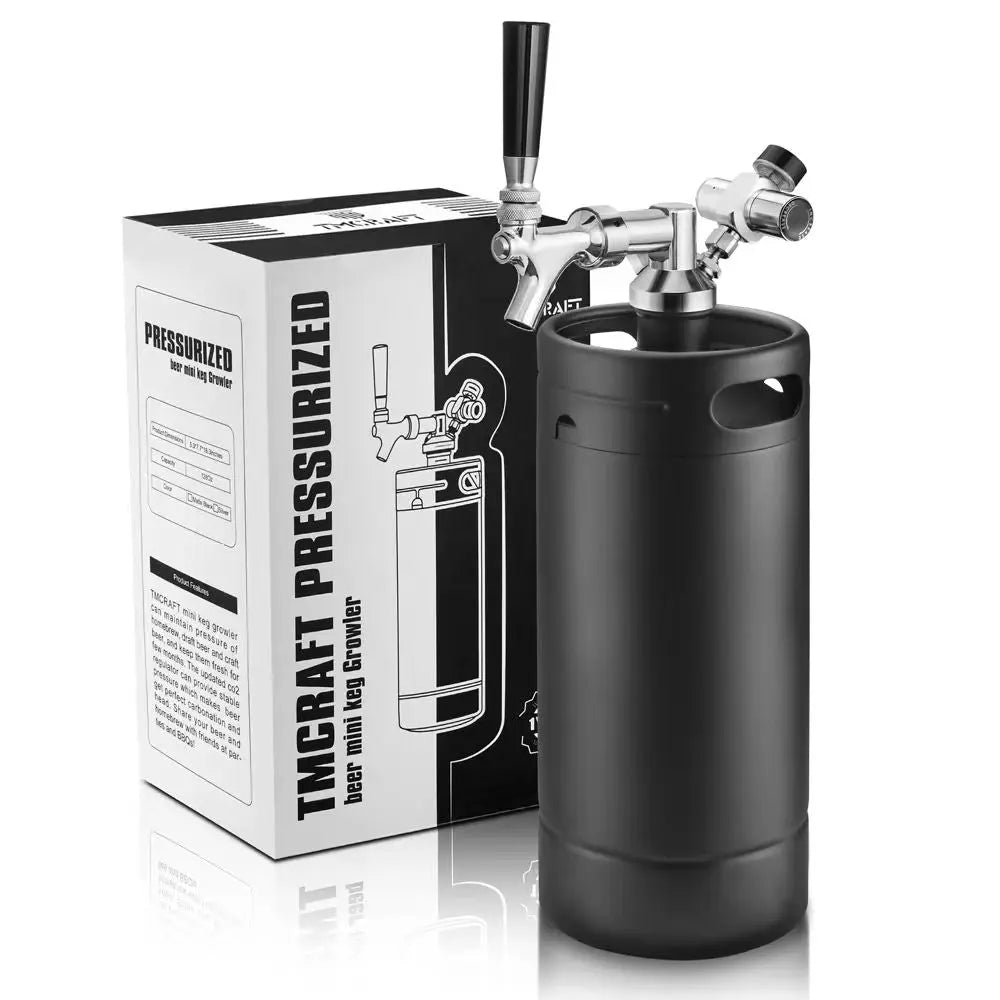
Why TMCRAFT Ball Lock Kegs Support Efficient Brewing
TMCRAFT ball lock kegs are designed to simplify the packaging process while providing dependable long-term performance.
Key features include:
- Food-grade stainless steel construction
- Reliable pressure retention
- Easy-clean interiors
- Standard ball lock compatibility
- Durable sealing systems
- Multiple capacity options
Whether transitioning from bottling or expanding an existing draft setup, TMCRAFT products help streamline kegging homebrew.
Frequently Asked Questions
Is kegging faster than bottling?
In many cases, yes. A ball lock keg eliminates much of the repetitive work associated with filling and capping dozens of bottles.
Does kegging improve carbonation control?
Yes. Force carbonation allows brewers to adjust carbonation levels more precisely than bottle conditioning.
Is bottling cheaper than kegging?
Bottling generally requires a lower initial investment, while kegging involves higher upfront equipment costs.
How long do ball lock kegs last?
A quality stainless steel keg can provide many years of service with proper maintenance.
Can beginners use a homebrew keg system?
Absolutely. Many brewers transition to kegging after only a few batches and quickly adapt to the process.
Conclusion
The debate surrounding bottling vs kegging ultimately comes down to priorities. Bottling remains an accessible and time-tested method that works well for occasional brewers. However, for individuals seeking greater efficiency, faster carbonation, and a more convenient serving experience, a ball lock keg offers compelling advantages.
By simplifying packaging and reducing repetitive labor, a well-designed homebrew keg system allows brewers to spend less time cleaning bottles and more time focusing on recipe development and enjoying their beer.
For busy homebrewers looking to maximize both convenience and consistency, TMCRAFT ball lock kegs provide a durable and practical solution that supports years of successful brewing.
Link to: Why Ball Lock Kegs Became the Industry Standard for Homebrewers (And Why They Still Dominate Today)